2026 Best Sideboard vs Buffet Cabinet Which Is Better?

Time:2026-09-06 Author:Ethan
0%

Choosing between a sideboard and a buffet cabinet can change how a room stores, serves, and displays everyday items. In 2026, homeowners are paying closer attention to flexible furniture, durable materials, and space-saving designs. A cabinet may look attractive online, yet its depth can make a narrow dining area feel crowded. That detail matters.

What is the difference between a sideboard and a buffet cabinet? The answer is useful, but not perfectly fixed. Traditionally, a buffet cabinet supports food service in dining spaces, often with drawers, cupboards, and a practical serving height. A sideboard usually offers broader storage and display functions. It may stand in a dining room, hallway, living room, or entryway. Modern furniture brands often use these terms interchangeably, which creates confusion.

This guide compares their purpose, size, storage layout, construction, and visual style. It also considers real household needs, such as storing plates, hiding small appliances, or displaying framed photographs. A solid wood cabinet may age beautifully, but it can cost more and require careful placement. Veneered or engineered wood options may offer better value, though their finishes vary considerably. Measure the wall first. Then check door clearance, shelf strength, cable access, and cleaning space. These small checks are easy to overlook. They may prevent an expensive mistake. Our comparison focuses on practical use rather than labels alone, helping you choose the cabinet that fits your room, routines, and realistic budget.
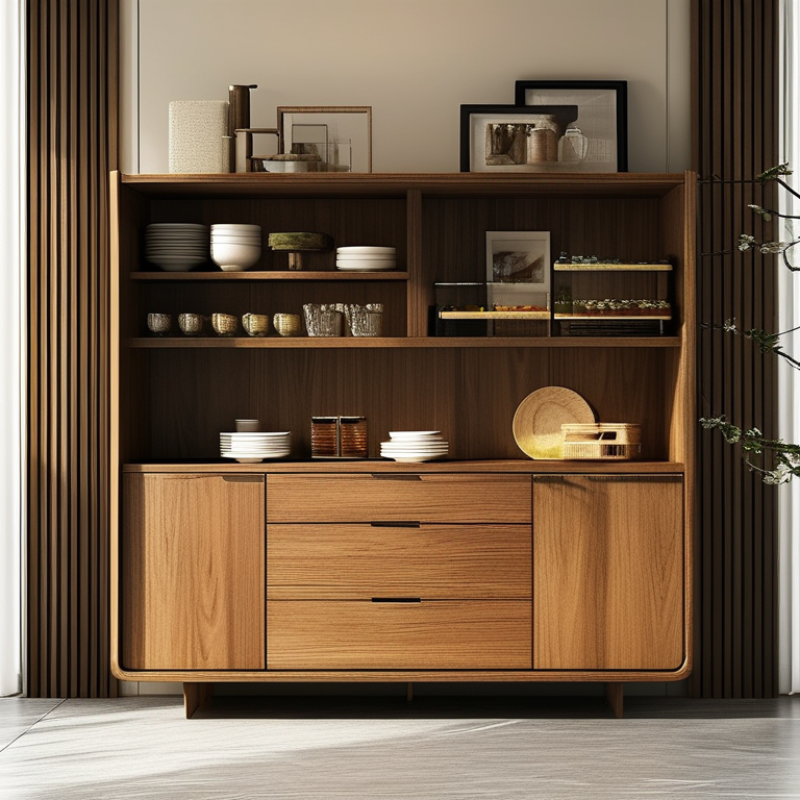
2026 Best Sideboard vs Buffet Cabinet Which Is Better?

What Is a Sideboard and What Is a Buffet Cabinet?

A sideboard is a storage cabinet designed for shared living spaces. It usually has a long, low profile and stands against a dining room, hallway, or living room wall. Many sideboards include doors, drawers, or open shelves for dishes, linens, books, and daily items. Their broad top also holds lamps, framed photographs, or a serving tray.

A buffet cabinet is more closely connected with dining and food service. It traditionally stores plates, glasses, tablecloths, and serving utensils near a dining table. Some models include drawers for cutlery and lower cupboards for larger cookware. Their height and depth can vary, but practical access remains important during meals. A cabinet that is too deep may interrupt walking space.

The difference is useful, but not perfectly fixed. Furniture sellers and homeowners often use these terms interchangeably. A modern sideboard can work as a buffet cabinet when placed beside a dining table. Likewise, a buffet cabinet may suit an entryway if its dimensions and appearance fit the room. Measure the wall, door clearance, and walking path before choosing one. Check the hinges, drawer movement, surface finish, and weight capacity in person when possible. Small details matter. I once underestimated cable space behind a cabinet, and the wall outlet became difficult to reach. Storage needs also change over time, so choosing only by appearance can create regret.

How Sideboards and Buffet Cabinets Differ in Design and Function

A sideboard and a buffet cabinet may look similar, but their purposes differ. A sideboard is usually broader and more flexible. It can sit in a dining room, hallway, or living area. Its drawers hold napkins, chargers, keys, or remote controls. A buffet cabinet is more dining-focused. It often provides deeper storage for plates, serving bowls, glassware, and table linens. Many buffets also include adjustable shelves and enclosed doors.

The difference becomes clearer during daily use. A sideboard usually supports decoration and quick access. Picture a lamp, framed artwork, and a shallow tray on top. A buffet cabinet supports serving tasks. Its larger surface can hold a roast, drinks, or stacked dishes before dinner. The 2024 Houzz U.S. Kitchen Trends Study reported that 76% of renovating homeowners added specialty storage. That figure supports a practical shift toward furniture with defined storage roles.

Room size should guide the decision. In a narrow apartment, a slimmer sideboard may prevent blocked walkways. In a formal dining room, a deeper buffet can store seasonal tableware efficiently. Industry guidance from the American Home Furnishings Alliance also stresses measuring doorways, circulation space, and furniture depth before purchase. I have seen attractive cabinets fail because their doors opened into chairs. That mistake is easy to miss. Materials matter too. Veneer resists movement better than some solid woods, but poor construction still causes warping. A sideboard suits changing rooms. A buffet suits organized dining.

Which Storage Features Matter Most for Your Space?

A sideboard and a buffet cabinet can look similar, but their storage priorities differ. A sideboard suits dining rooms, living areas, and entry zones. Its mix of drawers, doors, and open shelving handles varied daily items. A buffet cabinet usually offers deeper, enclosed storage for plates, servingware, and table linens. The better choice depends less on labels than on access, depth, and circulation.

Storage capacity deserves evidence, not guesswork. The National Association of Home Builders’ 2024 What Home Buyers Really Want report found that 83% of buyers consider a pantry essential or desirable. This suggests a wider preference for organized, reachable storage. Houzz’s 2024 U.S. Kitchen Trends Study also reported that 76% of renovating homeowners upgraded cabinets. Storage hardware is not a minor detail. Choose adjustable shelves for tall pitchers and soft-close drawers for cutlery. Measure door swings, skirting boards, and walking clearance before ordering. A beautiful cabinet can still fail here.

For compact spaces, a shallow sideboard with sliding doors may protect circulation. For formal dining rooms, a taller buffet cabinet can use vertical space efficiently. Look for reinforced shelves, durable hinges, and an anti-tip system. Verify the load rating. “Heavy duty” is not a measurement. The U.S. Consumer Product Safety Commission recommends anchoring furniture that could tip, especially around children. Glossy finishes also deserve scrutiny because fingerprints appear quickly. This detail seems small. Daily irritation matters. The best storage quietly supports real routines, although no cabinet solves every space problem.

Sideboard vs Buffet Cabinet: Comparing Materials, Size, and Style

Sideboard vs Buffet Cabinet: Comparing Materials, Size, and Style

A sideboard usually serves several rooms, while a buffet cabinet is designed for dining storage. Both can hold tableware, linens, and serving pieces. In practice, the difference is blurry. I have seen narrow buffets work beautifully in entryways. I have also seen sideboards feel too formal beside a dining table.

Materials

Materials affect durability more than labels. Solid wood offers repairability and visible grain, but it can expand with humidity. Engineered wood provides stable panels and lower cost, though damaged edges are difficult to restore. Look for strong joints, smooth drawer runners, and low-emission finishes. The U.S. Environmental Protection Agency identifies pressed-wood products as important indoor formaldehyde sources, so ventilation and emissions testing deserve attention. That detail is often ignored.

Size and Style

Size must follow the room, not the product name. Allow roughly 90 centimeters between the cabinet and nearby seating for comfortable movement. A cabinet about 75 to 90 centimeters high usually works well with dining furniture. Measure door swings, wall outlets, and baseboards first. Grand View Research valued the global home furniture market at about 220 billion dollars in 2023, with continued growth projected through 2030. More choices do not guarantee better fit. My own preference is a restrained sideboard with adjustable shelves, but that choice can fail in homes needing deep serving storage. Style should support the room’s rhythm, not compete with it.

How to Choose the Best Option for Your Dining Room in 2026

2026 Best Sideboard vs Buffet Cabinet Which Is Better?

How to Choose the Best Option for Your Dining Room in 2026

Choosing between a sideboard and buffet cabinet starts with your dining habits, not the furniture label. A buffet usually feels lower and longer, making it practical beside a dining table. A sideboard may offer drawers, shelves, or taller storage for plates, linens, and serving tools. Measure the wall first. Leave at least 36 inches for comfortable walking space.

Storage demand is becoming more intentional. The 2024 Houzz U.S. Kitchen Trends Study reported that 76% of renovating homeowners added or upgraded pantry storage. This points to a wider preference for organized household storage, including dining areas. For frequent hosting, choose deep drawers and adjustable shelves. For smaller rooms, select a slimmer cabinet with doors that do not block nearby chairs.

Think about daily friction. Can you open the cabinet while someone sits at the table? Does the finish resist fingerprints and warm dishes? Solid wood may age well, but engineered panels can provide stable performance at a lower cost. I once preferred a tall cabinet for visual impact, yet it made a narrow room feel crowded. That choice looked good in photographs and worked poorly in real life. Measure twice. Then test the door swing with masking tape on the floor.

FAQS

: What is a sideboard?

: A sideboard is a long, low cabinet for shared living spaces. It often stands against a dining room, hallway, or living room wall. Drawers, doors, and shelves store linens, books, dishes, or keys. Its broad top can hold a lamp, framed photo, or serving tray. Flexible storage.

What is a buffet cabinet?

A buffet cabinet is mainly designed for dining and food service. It stores plates, glasses, tablecloths, serving utensils, and cookware. Drawers can organize cutlery, while lower cupboards hold larger dishes. Its surface may support drinks, serving bowls, or stacked plates. Practical access matters.

Are sideboards and buffet cabinets the same?

Not exactly, but the terms often overlap. A modern sideboard can serve as a buffet beside a dining table. A buffet cabinet may also fit an entryway or living room. The room, size, and storage purpose matter more than the label. Names can mislead.

Which cabinet suits a narrow room?

A shallow sideboard usually works better in a narrow apartment. Sliding doors can reduce the space needed for opening. Measure the walking path, nearby chairs, and door clearance. A deep cabinet may interrupt movement during everyday use. Measure twice.

Which storage features should I prioritize?

Choose adjustable shelves for tall pitchers and serving bowls. Soft-close drawers can make cutlery storage quieter and smoother. Enclosed doors help protect table linens from dust. Reinforced shelves matter when storing heavy dishes. “Heavy duty” proves little.

How should I measure before buying?

Measure the wall, doorway, skirting boards, and walking clearance. Check how far cabinet doors and drawers extend when open. Leave enough room for chairs to move comfortably. Also measure the height and location of wall outlets. Small oversights hurt.

What materials and construction details deserve attention?

Inspect the hinges, drawer movement, surface finish, and shelf strength. Veneer may resist movement better than some solid woods. However, poor construction can still cause warping or loose joints. Glossy finishes show fingerprints quickly, especially near dining areas. Appearance is not performance.

How can I avoid future regret?

Choose storage based on changing routines, not appearance alone. Count your plates, serving bowls, linens, and everyday items. Check cable space if a lamp or device will sit above. I once underestimated outlet clearance behind a cabinet. The wall became inconvenient.

Conclusion

In 2026, choosing between a sideboard and a buffet cabinet depends on your dining room’s layout, storage needs, and preferred style. What is the difference between a sideboard and a buffet cabinet? A sideboard is a versatile storage unit that may be used in dining rooms, living areas, or hallways, while a buffet cabinet is traditionally designed for serving, organizing, and storing dining essentials. Their functions can overlap, but differences in height, proportions, and interior layout often affect how practical they are for your space.

The best choice should offer the right balance of capacity, accessibility, and visual appeal. Consider adjustable shelves, drawers for utensils, enclosed compartments, durable materials, and easy-clean surfaces. Size is equally important: measure the available wall space and leave enough room for comfortable movement. Whether your room has a modern, classic, or minimalist design, select a cabinet that complements existing furniture while providing reliable everyday storage.

Ethan

Ethan

Ethan is a seasoned marketing professional with a deep expertise in our company's innovative product line. With a passion for sharing knowledge and insights, he takes the lead in regularly updating our corporate blog, where he explores industry trends, product features, and effective marketing......