Why Arrange Living Room Furniture in a Small Space?

Time:2026-07-03 Author:Madeline
0%

Arranging living room furniture in a small space can be a daunting task. Many homeowners struggle to create a comfortable and functional area in limited square footage. According to a report by the American Institute of Architects, 42% of homeowners prioritize open spaces in their homes. However, this often leads to challenges in furniture placement.

Design expert Emily Henderson states, "How to arrange living room furniture in a small space is all about making the most of your available area." Her insight resonates with many who seek creative solutions for their compact living environments. Thoughtful arrangement can maximize functionality without sacrificing style.

When organizing furniture, consider scale and flow. Using multi-functional furniture can also free up space. Yet, it’s easy to underestimate how much room you really need. Take time to experiment; not every arrangement will work initially. Reflect on past attempts—what felt cramped? Learning from these mistakes can lead to a more inviting living area.
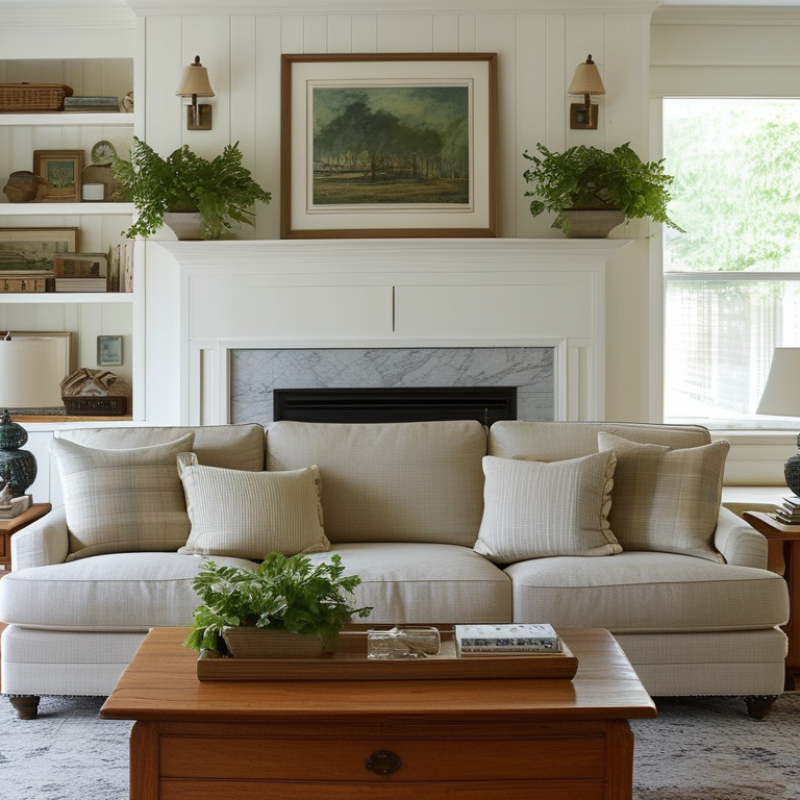
Why Arrange Living Room Furniture in a Small Space?

Importance of Space Optimization in Small Living Rooms

Arranging furniture in a small living room is crucial for optimizing space. A well-planned layout creates an illusion of openness. When every piece has a purpose, the room feels more inviting. Remember, clutter can diminish usability. Choose multifunctional furniture, like a sofa bed or a coffee table with storage. It helps keep the room organized and functional.

Consider the flow of movement. You want to ensure easy access to doors and pathways. It might feel odd at first to rearrange, but test different configurations. Sometimes, the most unexpected layout can work wonders. Placing furniture away from walls can also create a cozier atmosphere. Experimenting is key, even if initial attempts do not look perfect.

Lighting plays a significant role. Natural light makes spaces feel larger, while lamps can highlight specific areas. Use mirrors strategically to reflect light and give the illusion of more space. Don’t fear imperfections; they can add character. Reflect on what elements truly matter to you. Personal touches can make a small room feel like home.

Why Arrange Living Room Furniture in a Small Space? - Importance of Space Optimization in Small Living Rooms

Aspect Description Benefits
Furniture Arrangement Strategically positioning furniture to create functional areas Enhances flow and accessibility
Multipurpose Furniture Using furniture that serves multiple functions, like a sofa bed Maximizes space and utility
Visual Space Enhancements Incorporating mirrors or light colors to make the space feel larger Creates an illusion of more space and brightness
Decluttering Removing unnecessary items to streamline the space Enhances visual appeal and improves functionality
Zoning Creating distinct areas for different activities, like relaxing and working Improves organization and purpose of space

Key Principles of Furniture Arrangement for Small Spaces

Arranging living room furniture in a small space requires careful planning and creativity. The right arrangement can enhance functionality and make the area feel larger. According to a 2021 report by the American Institute of Architects, 58% of homeowners prioritize open space layouts. This emphasis on openness necessitates smart furniture arrangement strategies.

Key principles include selecting multi-functional furniture that serves multiple purposes. For instance, a coffee table with storage can reduce clutter. The National Association of Home Builders found that 45% of small apartment dwellers struggle with limited storage options. Positioning furniture to create pathways is also crucial. Aim for at least 30 inches of clearance for walkways. This encourages movement and prevents the space from feeling cramped. Placing mirrors opposite windows can amplify natural light, making the room feel more expansive.

Consider the scale of your furniture. Oversized pieces can dominate a small room. It’s essential to balance style and practicality. A study from the National Kitchen and Bath Association noted that 65% of homeowners regretted choosing furniture without considering their space. Reflecting on common mistakes can lead to better decisions. Embracing flexibility in arrangements as needs change over time can also enhance your living experience.

Furniture Arrangement in Small Living Spaces

Impact of Color and Lighting on Perception of Space

The arrangement of living room furniture in a small space greatly influences how we perceive that space. Color is key in this context. According to a study by the American Society of Interior Designers, lighter colors can make a room feel larger. Light blues and soft whites reflect more natural light, creating an airy illusion. On the contrary, darker shades can make walls seem closer, compressing the area. For small living rooms, opt for neutral palettes enhanced by pops of color. These can add character without overwhelming the space.

Lighting also plays a significant role. Studies show that proper illumination can drastically enhance spatial perception. Dim lighting might create a cozy atmosphere, yet can also make a space feel closed in. Bright, well-distributed light can open up the room. A mix of floor lamps and ceiling fixtures can eliminate shadows. However, it's critical to find the right balance. Too much brightness can feel harsh, while too little leaves the space uninviting. Venues like the International Association of Lighting Designers suggest layering light sources for the best effects.

In small spaces, every element counts. Thoughtful color choices and strategic lighting can transform a congested area into a serene retreat. Even small changes, like shifting a lamp, can impact how open or cramped the room feels. Regularly reassessing these factors ensures you maintain an inviting atmosphere, making your space more functional and appealing.

Common Mistakes in Small Living Room Layouts and How to Avoid Them

Arranging furniture in a small living room can be a challenging task. Common mistakes often lead to a cluttered space, making it feel even smaller. For instance, many people push all furniture against the walls. This may seem logical, but it can disrupt the flow of the room. A study published by the American Society of Interior Designers revealed that 60% of small living spaces underestimate the importance of flow and function.

Another frequent error is overloading the space with oversized furniture. While a large sofa might look appealing, it can dominate the room. Data suggests that average sofa sizes have increased by about 20% in the last decade. This trend can exacerbate cramped conditions in smaller areas. Instead, consider choosing multifunctional pieces. Ottomans that double as storage or coffee tables can save space while enhancing utility.

It's essential to rethink layout strategies. Avoid rigid arrangements. Fluid, flexible layouts can create a more inviting atmosphere. For example, using rugs to define areas can provide structure without closing off the space. Reflect on your current setup. Are you making the most of your small living room? The right adjustments can transform it into a comfortable and functional area.

Data-Driven Insights: Ideal Furniture Dimensions for Small Living Areas

Arranging furniture in a small living room requires careful consideration of dimension and scale. Research by the American Home Furnishings Alliance indicates that the average small living room is about 150 square feet. Furniture dimensions play a pivotal role in making the space feel open. For example, a sofa should ideally not exceed 72 inches in width. Sofas of this size can comfortably fit without overwhelming the area.

When choosing seating, selective options are crucial. A chair with a width of 30 inches complements a small sofa well. This combination maintains balance and flow. Reports show that using multi-functional furniture, such as ottomans that provide storage, increases usability. The ideal ottoman dimensions are under 25 inches in height to ensure easy access and movement.

It's essential to reflect on the arrangement periodically. A layout that felt satisfactory six months ago may no longer serve its purpose. Spaces evolve with our lives. Therefore, keeping flexibility in mind is critical when arranging furniture. Consider how each piece interacts with the space. Make adjustments to enhance functionality and aesthetics.

FAQS

: How can I make a small living room feel larger?

: Use lighter colors to enhance the illusion of space. Light blues and whites work well.

What type of furniture is best for small spaces?

Multi-functional furniture is ideal. Choose items like coffee tables with storage to reduce clutter.

How much clearance should I have for walkways?

Aim for at least 30 inches of clearance to encourage movement and prevent a cramped feel.

What role does lighting play in a small room?

Proper lighting can enhance perception. Bright, well-distributed light opens up the room.

Can color choices affect my living space's atmosphere?

Yes, colors can impact how spacious a room feels. Neutral palettes with pops of color add character.

What mistakes should I avoid in furniture selection?

Oversized furniture can dominate a small space. Consider your room’s scale before making choices.

How often should I reassess my living room arrangement?

Regularly check your furniture layout and lighting to maintain an inviting atmosphere.

Is layering light sources beneficial?

Yes, it helps create balance. A mix of floor and ceiling lamps can eliminate shadows effectively.

What can I do if my room feels too bright?

If brightness feels harsh, consider dimmer switches or adjustable lamps for better control.

Can small changes really make a difference?

Absolutely! Shifting a lamp or changing colors can significantly impact how open your room feels.

Conclusion

Arranging living room furniture in a small space can significantly enhance both functionality and aesthetic appeal. The importance of space optimization cannot be overstated, as effective furniture arrangement maximizes available space while creating a comfortable environment. Key principles involve using multi-functional pieces, ensuring clear pathways, and maintaining a balanced layout. Additionally, the impact of color and lighting plays a crucial role in making a small area feel more expansive.

Common mistakes, such as overcrowding or misplacing larger furniture, can hinder the effectiveness of a small living room layout. Understanding the ideal dimensions for furniture can help in making informed choices that facilitate better flow and usability. By following these guidelines, one can master how to arrange living room furniture in a small space, transforming it into a cozy and welcoming area.

Madeline

Madeline

Madeline is a dedicated marketing professional with a wealth of expertise in our company's core offerings. With a keen understanding of the industry, she brings a unique perspective to her role, consistently delivering high-quality content that highlights the superior aspects of our products. As......