Finding the right chair for reading at home can greatly influence your comfort and immersion in the story. Many people often overlook this crucial aspect. The question arises, "What type of chair is best for reading at home?"
A comfortable reading chair should support your back and allow for a relaxed posture. It should invite you to sink into its embrace for hours. While recliners and plush armchairs are popular, they can be too soft, leading to slouching and discomfort. Ergonomic chairs, on the other hand, can sometimes feel clinical and uninviting.
It's essential to strike a balance. The ideal chair often combines comfort with support, encouraging good posture while being cozy enough for long reading sessions. Some might appreciate a well-structured chair with sufficient lumbar support. Others might prefer a soft, oversized chair that wraps around them. Ultimately, every reader has unique preferences. Exploring various options can be a rewarding journey towards your perfect reading nook.
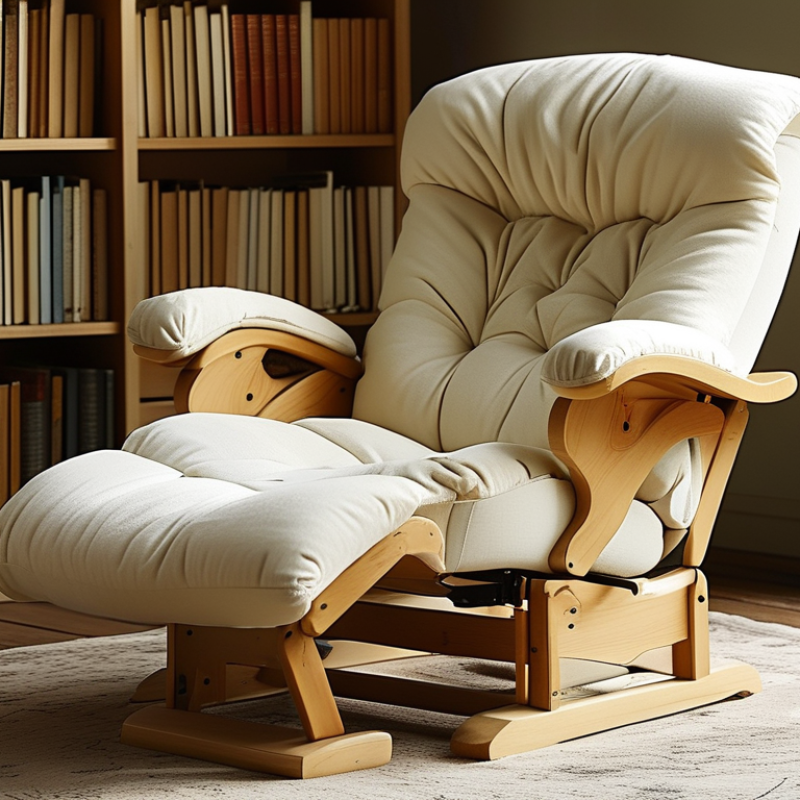
Types of Chairs Suitable for Comfortable Reading at Home
When it comes to comfortable reading at home, the right chair can make a significant difference.
A recliner is a popular choice. It provides excellent back support and allows you to lean back
comfortably during long reading sessions. Look for one with adjustable positions for added
flexibility. However, not every recliner suits everyone. Some might find it too tilted or bulky.
Another great option is a wingback chair. These chairs offer a cozy, enclosed feeling that many
readers love. The high back provides head support, which is essential during extended reading time.
Yet, the wingback might feel too restrictive for some. It’s important to test various styles to
find what feels right.
Ergonomic chairs are also worth considering. Designed for long hours of use, they support the
natural curvature of your spine. This reduces discomfort and strain. But keep in mind, not all
ergonomic designs work for everyone. It’s essential to try out different models. Comfort varies
from person to person. Always prioritize your own comfort over trends.
Key Features of an Ideal Reading Chair
When choosing a chair for comfortable reading at home, several key features stand out. An ideal reading chair should provide ample support to your back. Look for designs with ergonomic shapes that encourage good posture. Padding should be thick enough to maintain comfort during extended reading sessions. Fabric choice matters too; soft, breathable materials enhance a cozy environment.
Another essential feature is a suitable height. A chair that allows your feet to rest flat on the floor improves circulation. Armrests can also be beneficial, offering a place to relax your elbows. Ideally, these should be at a height that makes it easy to hold a book or tablet comfortably.
Lighting plays a pivotal role in your reading experience. Ensure your chair is located near a good light source. A reading lamp can add ambiance and functionality. Don’t forget that a good reading chair should fit your space too. Consider the chair's size and style to ensure it complements your home decor while providing a dedicated nook for your literary adventures. Finding the perfect chair involves some trial and error, as personal comfort preferences vary widely.
Material Considerations for Reading Chairs
When selecting a chair for reading at home, material choice plays a vital role in comfort. Upholstered chairs offer soft cushioning. The fabric should be breathable to keep you cool during long reading sessions. Leather is another popular option, providing durability and a classic look. However, it can become hot and sticky in warmer weather. Consider how each material feels against your skin, as this can impact your overall experience.
Wooden chairs bring an earthy feel. They are sturdy and add character to your space. However, they may lack the comfort needed for extended reading. If you lean toward a minimalist design, a bentwood chair can be an excellent choice. It offers a unique aesthetic but may require extra cushions for better support. Focus on what you want from your chair. Will it be only for reading, or will it serve multiple purposes?
Ultimately, the right material can enhance your reading comfort. Think about its texture, warmth, and ease of cleaning. A cozy reading corner shouldn’t just look good; it should feel good. Take time to sit in different chairs. Explore how they accommodate your back and legs. Each material has its pros and cons. Recognizing these differences is essential for a comfortable reading experience.
Best Chair Type for Comfortable Reading at Home
Ergonomics and Comfort in Chair Design
When it comes to comfortable reading at home, chair design plays a crucial role. The right chair should support your back and posture. Ergonomics is all about how a chair's shape and features can align with your body's natural curves. A chair that encourages a neutral spine can reduce discomfort.
Adjustable features are essential. Consider height and armrest adjustments. These should accommodate your body shape. A chair that fits well can enhance your reading experience. However, not all ergonomic chairs are created equal. Some may feel too firm or lack the cushioning needed for long reading sessions. This can lead to a frustrating experience.
It's also important to select the right materials. Breathable fabrics can help with sweat, while plush upholstery can create a cozy feel. Remember, comfort is subjective. What works for one person may not suit another. Finding the perfect chair might require some trial and error. Take your time and reflect on what feels right for you as you embark on your reading journey at home.
Best Chair Type for Comfortable Reading at Home? - Ergonomics and Comfort in Chair Design
| Chair Type |
Ergonomics Rating (1-10) |
Comfort Level (1-10) |
Notable Features |
| Armchair |
9 |
9 |
Wide seat, cushioned backrest |
| Recliner |
10 |
10 |
Adjustable reclining positions, footrest |
| Lounge Chair |
8 |
8 |
Deep seating, stylish design |
| Office Chair |
7 |
7 |
Adjustable height, lumbar support |
| Gaming Chair |
6 |
7 |
High back, various adjustments |
Placement and Lighting for the Best Reading Experience
Lighting plays a vital role in creating the perfect reading environment at home. Research indicates that people prefer a light intensity of about 300-500 lux for comfortable reading. Too bright or too dim light can lead to eye strain. A good table lamp or adjustable floor lamp can help achieve this balance. Soft, warm light is often favored, as it creates a cozy atmosphere.
Placement is equally essential. The ideal spot is near a window, which allows natural light during the day. However, the sunlight should not directly hit the reading material, as glare can hinder focus. According to studies, around 50% of readers report enhanced concentration in well-lit spaces. A comfortable chair placed in this location can improve the reading experience significantly.
Consider the color of your walls and surrounding furniture, too. Lighter shades reflect more light and can make a space feel more inviting. However, dark colors may absorb light, creating a more intimate setting. It's crucial to find the right balance that serves personal comfort. Experimenting with different setups can help discover what works best for you. A small adjustment in light placement or chair orientation may yield surprisingly positive results.
Conclusion
When considering what type of chair is best for reading at home, various factors play a crucial role in ensuring comfort and enjoyment. Popular chair types include recliners, wingback chairs, and accent chairs, each offering unique benefits. An ideal reading chair should feature key characteristics such as adequate support, cushioning, and a design that encourages good posture.
Material selection is also important; fabrics that are soft yet durable can enhance the reading experience. Additionally, ergonomics and comfort should be prioritized in chair design to prevent strain during long reading sessions. Lastly, the placement of the chair in relation to natural light and additional lighting sources can significantly impact the reading atmosphere, creating an inviting and relaxing space to immerse oneself in books.

 Lyte Home