When it comes to interior design, harmonizing wood tones can truly enhance a room's aesthetic. Expert designer Sarah Johnson, known for her minimalist yet warm spaces, advises, "The key to mixing wood tones is balance. Different shades can create a stunning effect." Understanding how to mix and match different wood tones in a room is essential for achieving this balance.
Choosing the right combinations can elevate your décor. Start with a dominant wood tone that resonates with your style. Layer in contrasting tones for visual interest. For example, warm walnut can pair beautifully with a cooler oak. This contrast adds depth but requires careful selection to avoid clash.
Mistakes happen, and that's okay. Oversaturation of similar woods can make a space feel monotonous. It’s vital to step back and reassess your choices. Don’t hesitate to experiment; the results may surprise you. Finding harmony in various wood tones opens new avenues for creativity in your home.
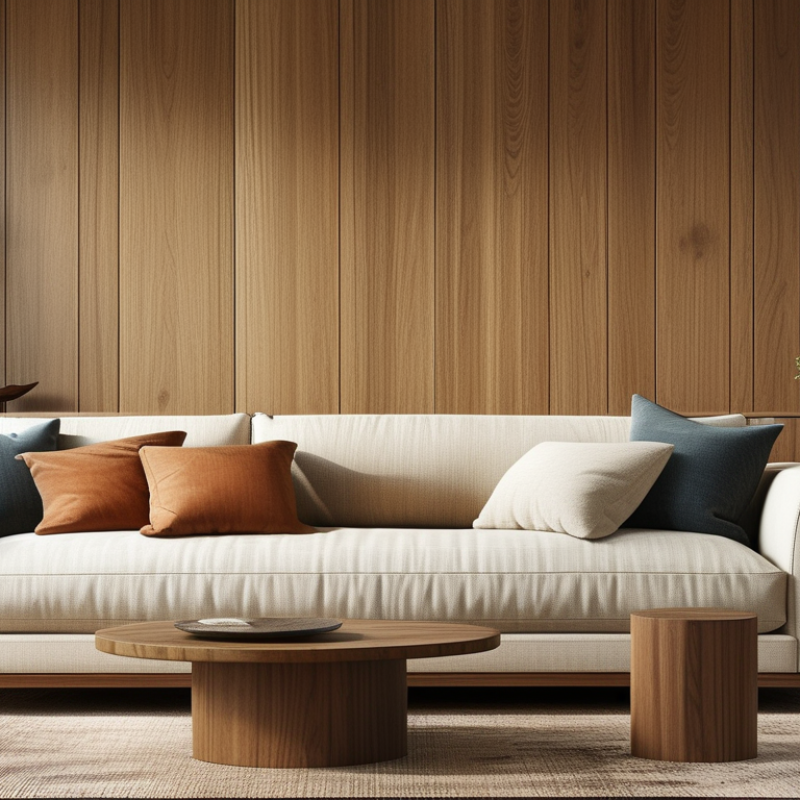
When mixing wood tones, understanding their characteristics is crucial. Each wood type has distinct hues and grain patterns. Light woods like maple and oak have a warm, airy feel. They brighten rooms and pair well with neutral colors. Dark woods such as walnut or cherry bring depth and richness. Their tones can create a cozy atmosphere.
Balance is key when combining different woods. A room filled with too many contrasting tones can feel chaotic. Using a variety of woods strategically can enhance the space. For instance, combining a light oak table with dark walnut chairs can create an inviting dining area. Textures matter too; smooth finishes contrast beautifully with rustic, weathered styles.
Consider the atmosphere you want to achieve. Mixing styles might feel daunting at first. Reflect on how you use the space. Overly busy combinations can lead to visual confusion. Start with a focal piece and build around it. Experiment with different pairings to see what resonates with your style. Embrace imperfections in the combination; each piece tells a story that adds character to your home.
Choosing a dominant wood tone is essential for creating a harmonious room. According to a recent survey by the American Home Furnishings Alliance, 70% of homeowners prefer a unified look when it comes to wood finishes. A single dominant tone can anchor your space, providing a cohesive aesthetic. For example, using a dark walnut for your furniture can enhance the richness of lighter oak flooring. The right balance can transform your room's feel completely.
When selecting your dominant tone, consider natural light and existing elements. Light wood tones such as birch can brighten a small space, making it appear larger. Conversely, deep hues create an intimate atmosphere. A study by the National Wood Flooring Association shows that 60% of buyers are now opting for mixed wood tones. However, without a clear dominant tone, the result can appear chaotic. Many homeowners struggle with this choice. It’s crucial to reflect on how different woods interact and influence each other visually.
Additionally, the trend is shifting, emphasizing the importance of personal preference over strict matching rules. Experiment with different textures and grains. A blend of oak and maple can yield stunning results if done thoughtfully. Embrace the imperfections. Not every combination will work perfectly. It’s about finding what resonates with your style while maintaining a sense of harmony.
| Wood Tone | Characteristics | Best Complementary Tones | Room Style |
|---|---|---|---|
| Light Oak | Bright and airy, with a subtle grain. | White, Soft Gray | Modern, Scandinavian |
| Walnut | Rich, dark tone with a striking grain pattern. | Cream, Brass, Forest Green | Traditional, Luxe |
| Cherry | Warm tones that darken over time. | Soft Blue, Beige | Classic, Rustic |
| Mahogany | Deep reddish-brown with a smooth finish. | Ivory, Deep Red | Elegant, Formal |
| Maple | Light, creamy color with a fine, uniform texture. | Muted Pastels, Soft Brown | Contemporary, Minimalist |
When mixing wood tones, it's crucial to find complementary shades for balance. The right combination can enhance a room’s warmth and visual appeal. Start by identifying your dominant wood tone. This could be the furniture, flooring, or cabinetry that stands out. Neutral tones work well as a foundation. Warm woods like oak pair nicely with cool shades like walnut or ash.
Tips: Choose accents that complement your main tones. If your main piece is a deep mahogany, consider lighter accents like maple. This contrast creates depth without overwhelming the space. Don't shy away from mixing textures. A smooth finish can balance a rugged piece, adding interest to your design.
It’s important to reflect on your choices. Sometimes what seems like a good mix might clash. Trust your instincts but remain open to adjustments. Take a step back and analyze the overall look. Lighting also plays a significant role in how wood tones interact. Observe your space at different times of the day to ensure harmony.
Creating a harmonious room involves balancing wood tones with metal and fabric elements. The right combination can elevate a space, but it requires careful consideration. For instance, wood tones often come in warm or cool shades. Incorporating metals, such as brass or steel, adds an interesting contrast, enhancing both aesthetics and texture. According to a study by the American Home Furnishings Alliance, a well-balanced mix typically increases perceived value by up to 20%.
Wood can dominate a room, but fabric elements soften it. Think of adding textiles through cushions or throws. A well-chosen fabric can tie together the wood's warmth and the coolness of metal. Reports indicate that using diverse materials can reduce a room's monotony, making it more inviting. Balance is key. Too much metal can feel clinical, while excessive fabric may suffocate the wood’s natural beauty.
Tips: Experiment with different finishes. A matte wood pairs well with shiny metals. Consider layering fabrics with various textures, such as linen and velvet. This approach can create depth. Be aware, though: over-mixing can lead to visual chaos. Trust your instincts, and remember that imperfections tell a unique story. Each piece has its narrative, contributing to a personalized, harmonious space.
Mixing and matching wood tones can create a beautiful, cohesive room. To maintain a unified look, start by selecting a color palette. Different wood tones can clash if they don’t share common undertones. For instance, warm woods like oak and cherry blend well together. Cool tones, such as ash or maple, often work better with each other. Think about how these colors will flow throughout your space.
Layering textures can also enhance harmony. Consider adding different wood finishes, like matte and glossy. This adds depth. However, avoid overcrowding the space. Too many wood tones can feel chaotic. Choose one or two dominant wood finishes and complement them with a few accents. This keeps the design intentional, rather than random.
A thoughtful balance is key. Review how elements interact in your room. If a piece feels off, revisit your choices. Sometimes, removing a conflicting item can transform the entire look. Trust your instincts and be willing to experiment. It’s all about creating an inviting atmosphere that reflects your style. Each choice matters, even the imperfect ones.
: A dominant wood tone creates harmony. It can anchor your space and provide a cohesive look.
Natural light influences how wood tones appear. Light woods can brighten a small area, making it feel larger.
Too many mixed wood tones can create a chaotic look. A clear dominant tone helps maintain balance.
Metals offer contrast to wood tones. They enhance aesthetics and add depth to a space.
Fabrics can soften wood’s presence. Cushions and throws tie together warmth and coolness effectively.
Choose a color palette with common undertones. Layering textures adds depth but avoid overcrowding.
Select one or two dominant wood finishes. Accentuate with a few complementary tones to keep it intentional.
If a piece feels off, revisit your choices. Sometimes, removing it can enhance the overall look.
Yes, imperfections tell a unique story. Each choice contributes to a personalized and harmonious space.
To create a harmonious room, it's essential to understand how to mix and match different wood tones effectively. Begin by recognizing the various wood tones and their characteristics, which will help you select a dominant wood tone that sets the foundation for your space. Once a primary tone is chosen, seek out complementary wood species that balance and enhance the overall aesthetic.
Incorporating additional elements like metal and fabric can further enrich the wood tones and add layers to your design. Remember to maintain a cohesive look by ensuring that all wood combinations flow seamlessly together. By considering these aspects, you can master the art of mixing wood tones and transform your room into a cohesive and inviting space.

Lyte Home