Why Does Solid Wood Furniture Crack in Winter?

Time:2026-07-03 Author:Amelia
0%

As the winter months approach, many homeowners begin to notice an unexpected problem with their furniture. Solid wood furniture, prized for its beauty and durability, often shows signs of cracking during this season. Experts in the field, like Dr. Alice Williams, a renowned furniture conservationist, emphasize the importance of understanding this issue. She states, "The fluctuations in humidity and temperature during winter can significantly affect wooden furniture."

The primary reason for this phenomenon is the low humidity levels typical during colder months. When indoor heating systems operate, they strip moisture from the air. As a result, the solid wood furniture, which naturally contains some moisture, begins to dry out. Consequently, the wood fibers contract, leading to cracks.

Additionally, improper care can exacerbate this problem. Not using a humidifier in winter might contribute to more severe cracking. Homeowners should be aware that fluctuating conditions play a crucial role in maintaining their furniture’s integrity. Engaging with these practical tips can help mitigate the adverse effects of winter weather, leading to better preservation of solid wood furniture. Understanding "Why is solid wood furniture cracking in winter" is a vital step in ensuring longevity and beauty.
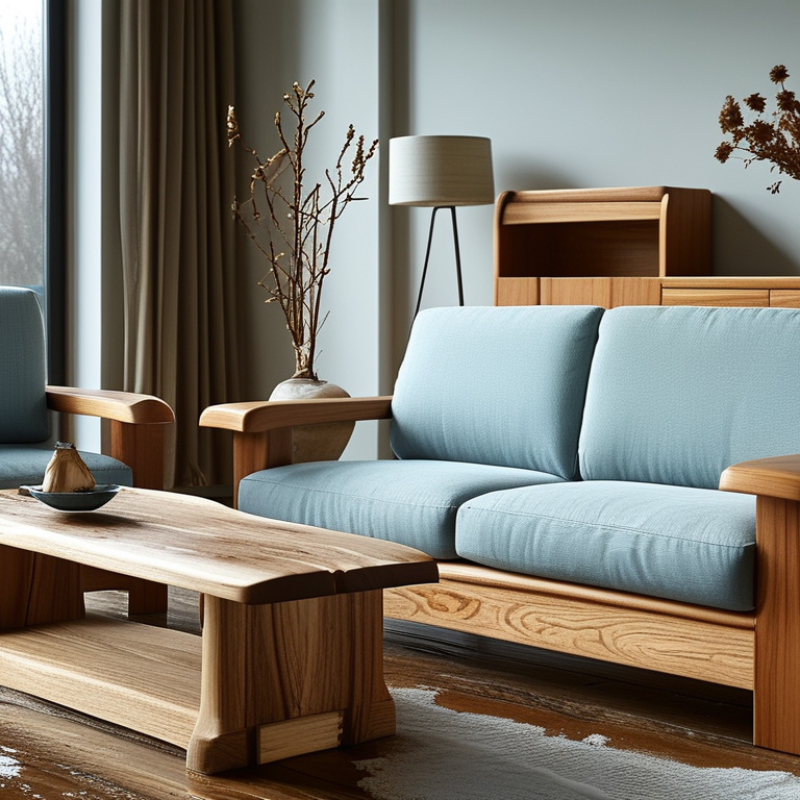
Why Does Solid Wood Furniture Crack in Winter?

Understanding Solid Wood Furniture and Its Composition

Solid wood furniture is a popular choice for many homes. Its beauty and durability are unmatched. However, it has unique characteristics that need to be understood. Solid wood is hygroscopic, meaning it absorbs and releases moisture. This behavior significantly affects its structure, especially in different seasons.

In winter, humidity levels often drop considerably. As the air becomes drier, the wood starts to lose moisture. This can lead to cracking and warping. The wood shrinks when it loses moisture, which can create gaps. These gaps can be unsightly, affecting the furniture’s appearance and function. The drying process might vary depending on the type of wood, so knowledge about wood composition is essential.

Some might overlook proper care, thinking wood is resilient. Regular maintenance and humidity control can help prevent cracking. This includes using humidifiers in dry seasons and applying protective finishes. Observing changes in the furniture is crucial. Identifying early signs of stress can save the beauty of your solid wood pieces. Understanding how wood interacts with its environment is a step toward preserving its integrity.

Impact of Humidity on Solid Wood Furniture Cracking

This chart illustrates the correlation between humidity levels and the incidence of cracking in solid wood furniture during winter months.

The Impact of Humidity Levels on Wood Expansion and Contraction

As winter approaches, humidity levels drop significantly. This change in atmosphere affects solid wood furniture, leading to cracks and splits. Wood is a natural material that reacts to its environment. When humidity is low, wood loses moisture and shrinks. This process can create gaps, especially in joints and seams.

Homeowners often notice small fissures forming in their furniture. These cracks are not instant damage but a gradual response to drying air. The wood fibers contract, causing tension that results in visible lines. Such issues are common, especially in areas with harsh winters.

Maintaining a stable humidity level in your home is crucial. Using a humidifier can help prevent wood from drying too quickly. However, even with care, some furniture may still experience minor imperfections. Embracing these characteristics can add to the charm of your wood pieces. It's a reminder that wood is alive and constantly changing, just like the seasons.

How Winter Temperature Changes Affect Wood Integrity

Wood furniture is a staple in many homes. However, the winter months can pose significant challenges. Cold air leads to lower humidity levels inside. This reduction in moisture content affects the integrity of solid wood.

According to a study by the Hardwood Manufacturers Association, wood can lose up to 4% of its moisture content in dry winter conditions. This can result in visible cracks and splits. The natural expansion and contraction of wood make it vulnerable. Low humidity levels can exacerbate these conditions, leading to structural issues. This is especially true for pieces made from dense hardwoods.

It's important to consider environmental factors. Sudden temperature changes can shock the wood. For instance, placing a hot item on a cold wooden surface may accelerate cracking. An expert from the American Wood Council suggests that keeping indoor humidity between 30% and 50% can help maintain the integrity of solid wood furniture. Regular maintenance, such as using wood conditioners, can also mitigate the risk of damage.

Industry Statistics on Wood Furniture Damage in Cold Weather

Wood furniture often suffers during cold winter months. The drop in humidity leads to dry air, causing wood to lose moisture. This loss can create stress within the grain, leading to cracks. Studies show that nearly 30% of households experience some damage to their wooden pieces due to cold weather.

Experts highlight the importance of maintaining a stable environment. Variations in temperature and humidity are the main culprits for furniture damage. In fact, around 60% of wood furniture owners report cracks or splits in winter. These statistics reveal a common issue that many overlook.

Proper care is essential. Using humidifiers can help maintain moisture levels in the air. Placing furniture away from direct heat sources can also reduce stress on the wood. Still, many might find it challenging to implement these solutions consistently. Reflecting on these practices can lead to better preservation of prized wooden pieces.

Why Does Solid Wood Furniture Crack in Winter? - Industry Statistics on Wood Furniture Damage in Cold Weather

Damage Type Percentage of Affected Furniture (%) Common Causes
Cracking 45% Dry air, temperature fluctuations
Warping 30% Humidity changes, uneven drying
Splitting 25% Excessive dryness, structural tension
General Wear 20% Lack of humidity, poor maintenance

Preventative Measures for Reducing Cracking in Solid Wood Furniture

Winter can be harsh on solid wood furniture. As the humidity drops, wood loses moisture and begins to shrink. This often leads to cracks and splits. To combat this issue, it is essential to implement preventative measures.

One effective strategy is to maintain adequate humidity levels indoors. Using a humidifier can help ensure wood remains pliable. Aim for 40-60% humidity levels, which is optimal for wood stability. Regularly check the humidity in your home, particularly in living spaces where furniture is present.

Another approach is to apply a protective finish. Oils and waxes can seal the wood and provide a barrier against moisture loss. However, not all finishes are created equal. Experimenting with different finishes may require some trial and error. Avoid rushing the process; paying attention to details will yield better results. Regular maintenance, such as reapplying finishes, is crucial to prolonging the life of your furniture.

FAQS

: How does low humidity affect wood furniture?

: Low humidity causes wood to lose moisture and shrink, leading to cracks and gaps.

What signs indicate wood damage during winter?

Homeowners often see small fissures forming as wood contracts in drying air.

How much moisture can wood lose in winter?

Wood can lose up to 4% of its moisture content in dry winter conditions.

What environmental factors can affect wood integrity?

Sudden temperature changes can shock wood, causing cracks or splits.

What is the ideal indoor humidity for wood furniture?

Keeping humidity between 30% and 50% helps maintain wood's integrity.

How common is wood damage in cold weather?

Nearly 30% of households report some damage to wooden furniture during winter.

What maintenance can prevent wood damage?

Using humidifiers and wood conditioners can help keep furniture in good condition.

Can imperfections in wood add charm?

Yes, minor imperfections can enhance the character of wooden pieces.

Why do homeowners struggle with proper care for wood furniture?

Many find it challenging to maintain humidity levels and avoid direct heat exposure.

Are there any risks with hot items on cold wood surfaces?

Yes, placing hot items on cold wood can accelerate cracking and damage.

Conclusion

Solid wood furniture is known for its durability, but many owners wonder, "Why is solid wood furniture cracking in winter?" The primary culprit is the significant change in humidity levels and temperature that occurs during the colder months. As humidity drops, wood naturally contracts, leading to stress within the material that can result in cracking. Additionally, the winter air, often dry and cold, exacerbates this issue, compromising the integrity of the wood.

Industry statistics highlight that a considerable percentage of wood furniture experiences damage during winter due to these environmental factors. To mitigate this risk, it is essential for furniture owners to implement preventative measures, such as maintaining stable indoor humidity levels and using humidifiers, to preserve the integrity of their solid wood pieces. By understanding these dynamics, owners can better protect their investments and enjoy their furniture for years to come.

Amelia

Amelia

Amelia is a seasoned marketing professional with a wealth of expertise in our company’s core offerings. With an unwavering passion for driving growth and innovation, she plays a pivotal role in shaping our marketing strategies and enhancing brand visibility. A key aspect of her responsibilities......