What is the most durable fabric for everyday family sofas? The answer depends on more than a label or attractive showroom sample. A busy sofa faces spilled juice, dusty paws, denim friction, sharp toys, and repeated washing. Fabric performance must match those daily pressures.
Upholstery specialist Debbie McClintock explains, “Performance is not a single fiber; it is a fabric system built for real life.” Her point matters. Fiber content, weave tightness, abrasion resistance, stain treatment, colorfastness, and cleaning instructions work together. A tightly woven polyester blend may handle active children better than delicate linen. Solution-dyed acrylic can resist fading near bright windows. High-quality microfiber often gives practical protection against crumbs and muddy fingerprints.
Look closer.
This guide compares ten durable sofa fabrics for family use, including performance velvet, microfiber, polyester, nylon blends, canvas, leather, faux leather, acrylic, olefin, and tightly woven cotton blends. Each option has strengths and compromises. Leather can age beautifully, but scratches remain visible. Velvet feels luxurious, yet crushed pile may reveal marks. Cotton feels comfortable, but untreated versions can absorb spills quickly.
A high rub count helps, but it does not tell the whole story. Testing methods differ, and household experience can be messier than laboratory results. I have seen a “durable” fabric fail because its cleaning code did not suit the family’s routine. That is easy to overlook.
The most reliable choice balances construction, maintenance, comfort, appearance, and budget. Your sofa should survive real life, not merely pass a showroom test.
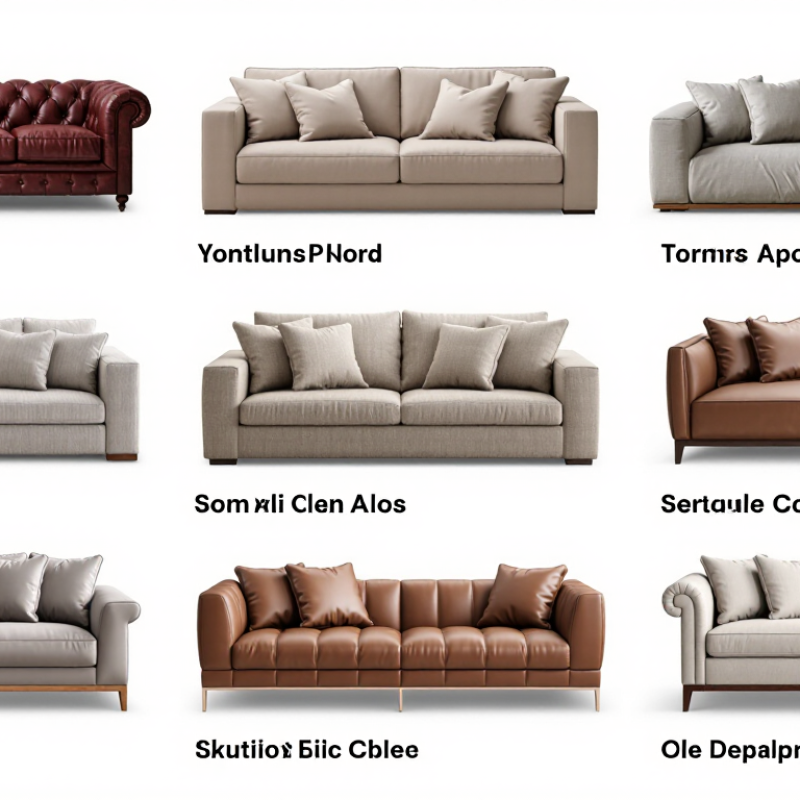
For family sofas, durability should begin with a measurable standard, not a vague promise. A fabric rated at 30,000 or more Martindale cycles is commonly considered suitable for regular household use. The test rubs a fabric sample repeatedly against an abrasive surface. It shows how well the surface may resist wear from sitting, movement, and daily contact. In a busy living room, this benchmark offers useful evidence. It is not a guarantee.
Children climb. Pets scratch. Dinner crumbs hide in seams. A strong fabric still needs practical construction. Look for tight weaving, stable backing, and seams that do not pull when cushions move. Polyester blends, performance weaves, and treated natural fibers can meet the 30,000-cycle level, depending on their structure. Ask for the actual test report, test method, and result. Do not rely on “heavy duty” alone.
Martindale resistance measures abrasion, not every form of sofa life. It does not fully predict staining, pilling, fading, snagging, or cushion compression. I have seen durable-looking textiles fail early because sharp toy edges caught loose yarns. That detail is easy to miss. For family use, pair the cycle rating with removable covers, cleanable finishes, and a dense weave. A careful choice may still need maintenance. No fabric stays perfect.
Define Sofa-Fabric Durability: 30,000+ Martindale Cycles for Family Use
The table compares commonly available sofa-fabric categories suitable for active family households. Martindale values are typical commercial or heavy-domestic ranges; actual performance depends on fabric construction, finishing, upholstery quality, cleaning, and daily use.
| Rank | Fabric Type | Common Fiber Composition | Typical Martindale Rating | Main Durability Strength | Stain and Moisture Performance | Care Requirement | Recommended Family Use |
|---|---|---|---|---|---|---|---|
| 1 | Solution-Dyed Acrylic | 100% acrylic or acrylic blend | 50,000–100,000+ cycles | Excellent abrasion resistance, strong color retention, and good outdoor-grade durability | Often resistant to moisture and common stains when properly finished | Prompt spot cleaning; follow the supplier’s cleaning code | Busy living rooms, children, pets, and high-use seating |
| 2 | High-Tenacity Polyester | 100% polyester or polyester blend | 40,000–100,000 cycles | Strong fibers, good dimensional stability, and broad design availability | Generally low absorbency; performance improves with stain-resistant finishing | Vacuum regularly and blot spills quickly | Everyday family sofas and homes requiring practical maintenance |
| 3 | Polyester Chenille | Usually polyester pile with a polyester backing | 40,000–80,000 cycles | Dense pile provides comfortable hand feel and good resistance to routine rubbing | Moderate to good; textured pile can hide light marks but may hold spills | Use low-suction vacuuming and avoid aggressive brushing | Family rooms seeking softness, texture, and good wear resistance |
| 4 | Polyester Microfiber | Fine-denier polyester fibers | 40,000–80,000 cycles | Compact construction, good resistance to surface wear, and smooth appearance | Low absorbency helps with quick spill response; liquids may still penetrate seams | Blot immediately and clean according to the fabric code | Homes with children or pets that need a soft, easy-care surface |
| 5 | Performance Velvet | Polyester or polyester-blend pile | 40,000–80,000 cycles | Dense pile and strong backing can deliver high wear resistance | Often treated for stain resistance, but pile direction can show pressure marks | Blot spills; gently restore pile direction after cleaning | High-use seating where a luxurious appearance is also desired |
| 6 | Polypropylene Upholstery Fabric | Polypropylene or olefin fiber | 30,000–60,000 cycles | Low moisture absorption and good resistance to many household stains | Good moisture resistance; oil-based stains may require specialized treatment | Clean spills quickly and avoid excessive heat during drying | Practical family seating and casual areas with frequent spills |
| 7 | Acrylic Chenille | Acrylic pile, often blended with polyester | 30,000–60,000 cycles | Good color stability and a soft, textured surface | Moderate to good; depends strongly on backing and applied finish | Vacuum gently and avoid pulling loops or pile fibers | Moderate- to high-use family rooms needing a soft textured look |
| 8 | Cotton-Polyester Performance Blend | Cotton blended with polyester, commonly with polyester as the larger share | 30,000–50,000 cycles | Balances natural comfort with improved strength and dimensional stability | Moderate; performance depends on blend ratio and stain-resistant treatment | Promptly blot spills to reduce absorption and water rings | Family sofas where breathability and a natural hand feel matter |
| 9 | Tightly Woven Polyester Canvas | Woven polyester or polyester-heavy blend | 30,000–50,000 cycles | Firm plain weave resists snagging and maintains a structured appearance | Moderate; tightly woven construction helps limit rapid spread of small spills | Regular vacuuming and careful spot cleaning are recommended | Minimalist or casual family sofas exposed to frequent sitting |
| 10 | Wool-Polyester Blend | Wool blended with polyester or nylon | 30,000–50,000 cycles | Naturally resilient fibers with good recovery from compression and a durable weave | Moderate; wool can absorb moisture, while finishing and blend content improve practicality | Use low-moisture cleaning and follow professional-care instructions when required | Premium family rooms requiring comfort, resilience, and temperature regulation |
China’s top 10 sofa fabrics rank differently when abrasion, pilling, tear strength, and stain release are tested together. This practical ranking uses upholstery test ranges reported under ISO 12947, ISO 12945, ASTM D2261, and AATCC 130 methods.
Testing details matter. AATCC 130 stain-release ratings can vary from 1 to 5, while ISO 12945 pilling grades depend on fabric structure and finishing. Published laboratory summaries from SGS and Intertek commonly treat 30,000 Martindale cycles as a useful family-use benchmark. However, test results are not identical to home life. Pets, zippers, rough clothing, and repeated spills can change performance quickly. Fabric weight and coating may matter more than fiber names. That part is often overlooked.
For family sofas, durability starts with the fabric structure, not its appearance alone. Woven polyester, performance blends, microfiber, and tightly constructed chenille often manage daily friction well. However, fiber names can mislead. A dense fabric may still pill, fade, or lose its surface after repeated use.
Ask suppliers for ISO 12947 results from an independent laboratory. This Martindale test measures abrasion resistance under controlled rubbing. Review the tested fabric, pressure level, cycle count, and failure point. Higher cycles usually suggest stronger wear performance, but household use is less predictable. Denim, pet claws, crumbs, and children create uneven stress. Real life is rarely neat.
ASTM D3511 helps assess pilling and related surface changes. Check whether the fabric keeps a clean surface after repeated rubbing. Also request colorfastness results at Grade 4 or higher, with the specific test method clearly stated. Rubbing, washing, and light exposure can produce different results. A Grade 4+ rating is useful, but it does not guarantee complete resistance near bright windows. Ask for shade-change and staining details, especially for dark colors. Test reports should identify the fabric construction, batch, conditioning process, and laboratory. Small omissions matter. One weakness remains: no sofa fabric defeats every spill, scratch, or fading risk. регуляр
For a busy family sofa, durability means more than a high abrasion score. It must handle sticky fingers, muddy paws, sunlight, and repeated cleaning. My practical shortlist includes performance polyester, microfiber, olefin, acrylic, canvas, denim, chenille, wool blends, cotton blends, and faux leather. Performance polyester resists daily wear and dries quickly after spot cleaning. Microfiber slows liquid absorption, while olefin suits households with frequent spills. Acrylic performs well near bright windows, but heat and harsh chemicals can still damage it. Canvas and denim feel sturdy, although their firm texture may not suit every room.
For children, choose tightly woven surfaces with low snagging risk. Chenille feels soft, yet its raised loops can catch on claws or rough toys. Cotton blends look comfortable, but untreated fibers absorb juice quickly. Wool blends resist crushing and add warmth; check cleaning instructions before buying. Faux leather wipes clean easily, but it may crack near heat or in dry air. Test a hidden area with a damp white cloth. Color transfer is an easy warning sign.
Pets change the decision. A dense weave usually hides minor scratches better than loose boucle-style textures. Smooth microfiber or faux leather allows faster hair removal. Vacuum weekly, then blot spills instead of rubbing them outward. Under strong UV exposure, solution-dyed acrylic and olefin often retain color better than ordinary cotton. Still, no fabric is maintenance-proof. I once underestimated a stain-resistant label; a greasy mark remained after gentle cleaning. Ask for test swatches and repeat your household’s real cleaning routine.
Durability matters, but chemical safety comes first. GB 18401-2010 sets formaldehyde limits for textile products. Class A allows no more than 20 mg/kg, Class B 75 mg/kg, and Class C 300 mg/kg. Family sofa fabrics should ideally meet Class B or better, depending on their intended use and product classification. Ask suppliers for recent laboratory reports, not only verbal claims.
Colorfastness also needs careful checking. GB 18401 evaluates resistance to washing, water, perspiration, and rubbing. The required grade can vary by test method and textile category. A fabric may resist fading under sunlight yet transfer dye onto clothing during dry rubbing. That weakness is easy to miss in a showroom. Professional textile reports usually record test conditions, grey-scale ratings, sample size, and laboratory accreditation. Without these details, the result is incomplete.
Tips: Request the original GB 18401 test report. Check formaldehyde results in mg/kg. Review dry and wet rubbing grades. Test a hidden fabric area with a damp white cloth. Keep the report.
A practical concern remains. Sofa covers often include coatings, foam, thread, and adhesives. The outer fabric may pass alone, while the assembled sofa needs separate assessment. This distinction deserves more attention.
Solution-dyed acrylic often performs strongest overall. It can exceed 50,000 Martindale cycles and releases many common stains effectively.
Yes. It commonly reaches 40,000–80,000 abrasion cycles and offers dependable tear strength. Daily life remains less predictable.
Polyester chenille feels soft and dense, often exceeding 30,000 cycles. However, its raised pile may flatten under repeated sitting.
Olefin and tightly constructed microfiber polyester usually resist stains effectively. A spill may stay near the surface briefly. Wipe it quickly.
No. Denim, pet claws, zippers, crumbs, and children create uneven stress. Test numbers cannot recreate every living room.
Request independent abrasion, pilling, tear, stain-release, and colorfastness reports. The report should identify the exact fabric and production batch.
They measure controlled rubbing until a defined failure point. Around 30,000 cycles can indicate family-use suitability, but it is not a promise.
Very important. A fabric can resist abrasion while developing fuzzy pills. Check the pilling grade after repeated rubbing, not only the fiber name.
No. Grade 4 or higher is useful, but bright windows may still change darker shades. Sun exposure is stubborn.
Cotton blends may absorb stains more readily. Linen blends can wrinkle, while wool blends often require gentler stain treatment. Their appearance may justify the compromise.
Choosing the right sofa fabric is essential for busy family homes. What is the most durable fabric for everyday family sofas depends on more than appearance: performance should be evaluated through abrasion resistance, pilling, tear strength, stain response, and ease of cleaning. Fabrics achieving 30,000 or more Martindale cycles are generally suitable for regular family use, while children, pets, frequent spills, strong sunlight, or heavy seating may require even higher performance. A practical ranking of China’s top ten sofa fabrics should compare these measurable properties rather than rely only on marketing claims.
Reliable selection also requires laboratory verification. Testing under ISO 12947 can measure abrasion resistance, ASTM D3511 can help assess pilling, and colorfastness should ideally reach Grade 4 or higher. Families should match fabric construction and finish to their daily needs, including washing, stain removal, UV exposure, and pet contact. Finally, buyers should check compliance with GB 18401, especially requirements related to formaldehyde and colorfastness, to support a safer and more durable sofa choice.

Lyte Home