Leather furniture can peel long before it looks old. The warning signs often appear quietly: a dry armrest, tiny surface cracks, or loose color near a sunny window. This guide, “2026 Top Tips How to Prevent Leather Furniture Peeling,” explains practical care for everyday homes. It focuses on cleaning habits, humidity, heat, product choice, and early repairs.
Leather restoration specialist David James says, “Leather should be treated as skin, not plastic.” That simple idea changes the maintenance routine. Use a soft, slightly damp cloth, not a soaking towel. Remove dust from seams and stitching every week. Apply a manufacturer-approved leather conditioner sparingly every few months. Too much product can leave a greasy film and attract dirt.
Keep furniture away from radiators, fireplaces, and direct afternoon sunlight. A window can heat one cushion repeatedly, causing uneven drying and fading. Maintain moderate indoor humidity when possible. Pets, belts, sharp keys, and rough denim also deserve attention. Small scratches may become larger peeling areas.
The central question is clear: How to maintain leather furniture to prevent peeling? Start with the leather type, because bonded leather and genuine leather require different care. Never use household alcohol, strong detergents, or silicone-based polish without checking the label. Test every product under a cushion first.
Care is not flawless. A missed cleaning, an unsuitable conditioner, or excessive heat can still cause damage. That is worth remembering. If peeling has already exposed fabric, home treatment may worsen the surface. A qualified leather repair professional can identify the material and recommend a safer restoration method.
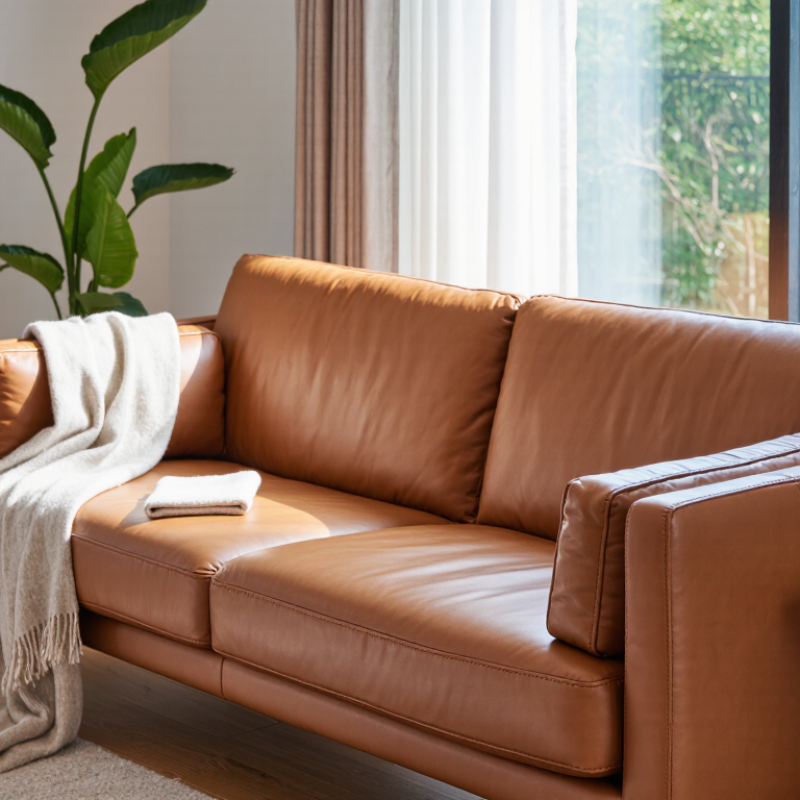
Leather furniture usually peels because its surface coating fails, not because natural leather suddenly “expires.” Genuine leather has a fibrous structure, while bonded leather and polyurethane-coated materials depend on a thin finish layer. Heat, humidity, body oils, and repeated flexing weaken that layer. A 2023 Leather Naturally industry overview reported that roughly 1.5 billion hides and skins enter production globally each year, but material quality and finishing methods still vary widely. The label alone cannot predict durability.
Polyurethane can also suffer hydrolysis, a chemical breakdown caused by moisture and heat. The Furniture Industry Research Association identifies hydrolysis as a common failure mechanism in coated upholstery materials. Peeling often starts where people sit most: the front edge, armrest, or cushion seam. Direct sunlight accelerates drying and discoloration. Strong cleaners may remove protective finishes. Poor ventilation makes matters worse.
Tips: Keep furniture away from radiators and sunny windows. Maintain indoor humidity near 40–60%, when practical. Wipe spills quickly with a soft, slightly damp cloth. Avoid alcohol, bleach, abrasive sprays, and unapproved conditioners. Test any cleaner beneath a cushion first. Inspect cracking monthly, especially along seams. A peeling surface cannot be repaired by adding more oil; that may soften the material while leaving the damaged coating untouched. I would not ignore small flakes. They often spread faster than expected, although no home-care plan can prevent every manufacturing defect.
| Cause or Risk Factor | What Happens to the Surface | Common Warning Signs | Prevention Method | Recommended Frequency | Priority |
|---|---|---|---|---|---|
| Direct sunlight and ultraviolet exposure | UV radiation fades color and weakens the finish, making the surface more likely to dry, crack, or flake. | Faded areas, dry texture, discoloration near windows, and brittle upholstery. | Keep furniture away from strong sunlight or use curtains, blinds, or UV-filtering window film. | Daily protection | High |
| Low indoor humidity | Dry air can remove moisture from natural leather and contribute to stiffness and surface cracking. | Tight-feeling upholstery, fine surface lines, and increased creasing. | Maintain comfortable indoor humidity, generally around 40%–60%, and avoid placing furniture beside heaters. | Monitor seasonally | High |
| Excessive heat and heating vents | Rapid drying can reduce flexibility and accelerate cracking around seams and high-use areas. | Hard or rough patches, open seams, and cracks near radiators or vents. | Place furniture at least several feet away from direct heat sources and avoid blocking ventilation. | Check during heating season | High |
| Incorrect cleaning products | Alcohol, solvents, bleach, abrasive cleaners, and some household wipes may strip protective coatings or damage the finish. | Sticky residue, dull patches, color transfer, peeling finish, or a rough texture after cleaning. | Use a product specifically labeled for the furniture’s leather type and test it on a hidden area first. | Before every new product | High |
| Infrequent dust and soil removal | Dust and body oils build up, increasing friction and gradually wearing down the protective surface. | Dull appearance, darkened contact areas, gritty seams, and unpleasant odor. | Dust with a soft, clean cloth and vacuum seams using a suitable upholstery attachment. | Weekly | Medium |
| Body oils, perspiration, and cosmetics | Repeated contact can soften, discolor, and weaken the finish, especially on headrests and armrests. | Dark or shiny patches, greasy feel, discoloration, and localized peeling. | Wipe affected areas promptly with an approved leather cleaner and use washable throws where appropriate. | As needed; inspect monthly | Medium |
| Excessive friction and heavy use | Repeated rubbing wears the finish and can expose the underlying material. | Thinning finish, scuffs, flattened nap, or peeling on seat fronts and armrests. | Rotate cushions when possible, avoid dragging objects across the surface, and use furniture covers during moving. | Inspect monthly | Medium |
| Sharp objects, pet claws, and rough hardware | Cuts and punctures break the protective surface and allow cracks to spread around the damage. | Scratches, small punctures, lifted edges, or tears around seams. | Trim pet claws, protect the furniture during transport, and keep sharp accessories away from upholstery. | Check after incidents | Medium |
| Liquid spills and prolonged moisture | Moisture may stain leather, affect adhesives or coatings, and encourage cracking if the surface is dried aggressively. | Water rings, discoloration, swelling, tackiness, or lifting surface layers. | Blot spills immediately with a dry absorbent cloth; never soak or use a hair dryer on the surface. | Immediately after spills | High |
| Wrong conditioner or excessive conditioning | Unsuitable products can leave residue, darken the surface, or interfere with the finish; over-conditioning may attract soil. | Oily feel, uneven sheen, stickiness, or accelerated dirt buildup. | Follow the care instructions for the specific leather type and apply only a thin, even layer when recommended. | Only when required | Medium |
| Material type and surface coating | Bonded, faux, and coated materials can peel when the top film or polyurethane layer breaks down; this differs from natural leather cracking. | Sheet-like flaking, uniform peeling, or a fabric-like layer visible beneath the surface. | Identify the material before cleaning, follow its care instructions, and avoid assuming every product is suitable for genuine leather. | At purchase and annually | High |
| Age, wear, and weakened stitching | Repeated use and aging reduce flexibility and may cause cracks to expand around seams and stress points. | Open stitching, stretched panels, deep creases, and cracks that return after cleaning. | Arrange early professional repair for structural damage and avoid placing extra weight on weakened sections. | Inspect every 3–6 months | High |
Check whether it is full-grain, corrected-grain, bonded, or synthetic leather. Different materials need different products. When uncertain, ask an upholstery professional.
Vacuum seams and cushions with a soft brush attachment. Use a slightly damp microfiber cloth afterward. Do not soak the surface.
Spray a pH-neutral cleaner onto the cloth, not directly onto the furniture. Clean small sections using gentle, circular movements. Light pressure works better.
Yes, test it on a hidden area. Wait until the patch dries completely. Stop if you notice darkening, stickiness, or color transfer.
Clean and dry the furniture before conditioning. Apply a thin, even layer with a clean cloth. Buff away leftover residue after a short wait. Less is safer.
Usually not. Peeling often means the surface coating has failed. Conditioner may improve dryness, but it cannot rebuild weak material.
Clean the area with a barely damp cloth and mild soap. Let it dry fully. Trim loose flakes with small scissors, without pulling them. Apply flexible filler in several thin layers. Patience matters here.
Replace it when large areas continue flaking or the fabric backing is visible. Remove the damaged panel along its original seam when possible. Use it as a pattern for similar upholstery material. Professional matching is often more accurate.
Thick filler can split near cushion seams after a short time. Harsh cleaners, direct heat, and strong sunlight can worsen damage. I once used too much conditioner on an armrest. It attracted dirt quickly. That changed my routine.
Leather furniture may peel or crack because of aging, low-quality bonded materials, dryness, heat, sunlight, friction, spills, or incorrect cleaning products. Before taking action, identify whether the surface is genuine leather, coated leather, or synthetic leather, and assess whether the damage is limited to dryness and small cracks or has progressed to widespread peeling. This helps determine the safest care and repair method.
How to maintain leather furniture to prevent peeling begins with regular dust removal, gentle cleaning, and the use of a suitable leather conditioner in moderation. Keep furniture away from direct sunlight, radiators, and excessive humidity, and avoid sharp objects, heavy friction, and sitting on the same area repeatedly. Clean spills promptly without soaking the material. Early damage can often be stabilized with appropriate repair products, while severely peeling sections may require professional refinishing or replacement. Consistent care and careful daily use can extend the furniture’s appearance and service life.

 Lyte Home