When it comes to sleep quality, the state of your mattress and bed frame is crucial. Experts assert that knowing "when should you replace an old mattress and bed frame" can greatly enhance your sleep experience. Dr. Emily Green, a sleep specialist, emphasizes, “A mattress should provide support, comfort, and durability; if it fails to do so, it’s time for a change.”
Many people underestimate the impact of an old mattress and a worn-out bed frame. Over time, mattresses can become lumpy or sag, which leads to discomfort and poor sleep quality. A bed frame that creaks or wobbles not only affects sleep but can also be a safety concern. It's essential to pay attention to signs of wear and tear. If your mattress is over seven years old or you wake up with aches and pains, these might be red flags.
Replacing your mattress and bed frame can feel overwhelming. It's a significant investment and can lead to uncertainty about what to choose next. However, recognizing the need for change can be liberating. The right bed setup not only improves sleep but also enhances your overall well-being. Ask yourself if your current setup truly meets your needs. If not, don't hesitate to explore your options.
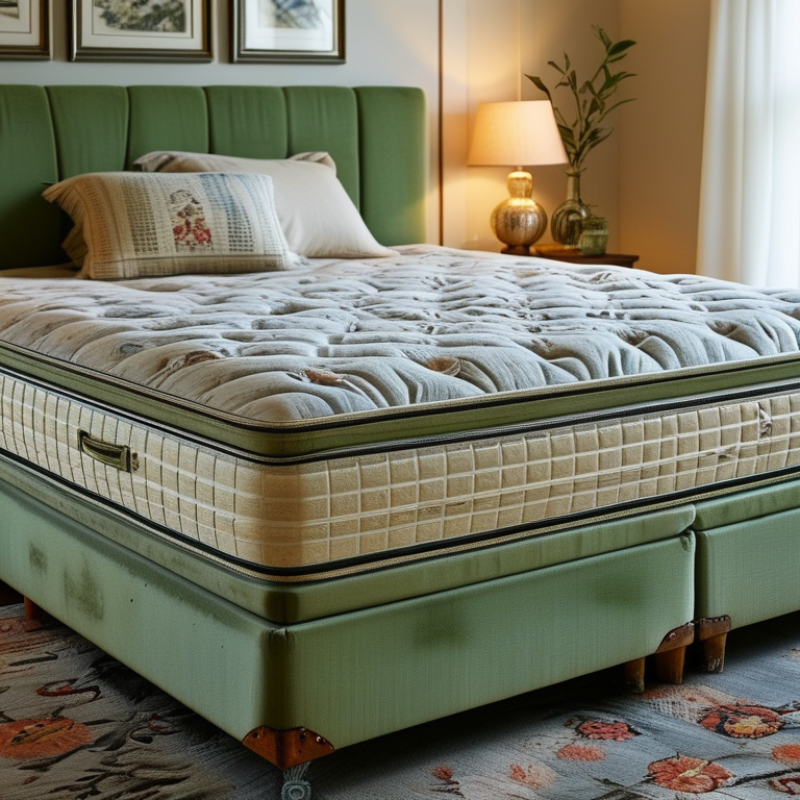
Recognizing the signs of wear in your mattress and bed frame is crucial for a good night's sleep. If you notice sagging in your mattress or feel springs poking through, it’s time to consider a replacement. These physical imperfections can affect your comfort and lead to poor sleep quality. A mattress should contour to your body and support your spine. If that support diminishes, your health could be at risk.
The bed frame also shows signs of wear. Look for wobbly legs or creaking sounds. These issues can indicate weakened support. Over time, frames can warp or bend, especially if they bear uneven weight. If your bed feels less stable, it may lead to further problems with your mattress. Sleep should feel secure and restful, not precarious.
Don't overlook the age of your mattress. Most experts suggest replacing it every 7-10 years. If you find yourself tossing and turning often, it might be time for new sleep gear. Consider your comfort as a priority. Listen to your body. A fresh start could enhance your quality of life.
The average lifespan of a mattress varies by type. Innerspring mattresses generally last about 7-10 years.
Memory foam mattresses often last longer, up to 10-15 years. However, many factors influence this timeline.
Usage, body weight, and care all play significant roles in longevity. A mattress can wear out faster than expected due to these variables.
Pay attention to signs of wear. If you wake up with aches or pains, your mattress might be the culprit.
Sagging or lumps indicate it’s time for a replacement. Stains and odors can also suggest you need a new mattress.
Your sleep environment greatly affects your well-being. It's crucial to reflect on how your bedding contributes to your rest quality.
The bed frame also has a lifespan. Wooden frames can last 10-20 years, while metal frames may last slightly longer.
Frame stability affects overall mattress performance. If the frame squeaks or wobbles, it could lead to a restless night.
Replacing both mattress and bed frame when needed promotes better sleep. Prioritizing your sleep comfort leads to enhanced health and daily energy levels.
The age of your mattress significantly impacts your sleep quality and overall health. A mattress over seven years old often becomes worn out. You might notice lumps or sagging, which can disrupt your sleep. Poor sleep can lead to irritability, fatigue, and difficulty concentrating during the day.
Health experts suggest that old mattresses may harbor allergens. Dust mites and bacteria accumulate over time. This can trigger allergic reactions or respiratory issues. Therefore, regular cleaning is crucial, but it often isn’t enough for mattresses past their prime. The materials deteriorate, compromising support and comfort.
Thinking about your bed frame is equally important. An unstable or squeaky bed frame can disrupt restful sleep. If you feel your bed shifting or wobbling, it might be a sign for a change. Both mattress and frame impact your sleep environment, which is essential for well-being. They require careful consideration and prompt attention.
A stable and reliable bed frame is essential for a good night's sleep. If you notice creaking sounds when you move, it could indicate that your bed frame is on its last legs. This noise often results from weakened joints or damaged support slats. If your frame suddenly wobbles, it’s a clear sign that it’s time for a replacement. A shaky bed can disrupt your sleep patterns.
Another sign to watch for is visible wear and tear. Check for cracks, splintered wood, or bent metal. These imperfections compromise the frame’s stability. Consider how often you adjust your sleeping position. If you find yourself frequently waking up with uncomfortable pressure points, your frame may be the culprit. A suitable foundation should support your mattress and allow you to rest soundly.
Also, take note of any shifting during use. An unsteady frame may cause your mattress to slide. This could lead to feelings of anxiety and restlessness at night. While it’s easy to overlook such issues, a faulty frame can lead to long-term discomfort and sleep disturbances. Address these signs promptly to maintain a healthy sleep environment.
When considering whether to repair or replace your mattress and bed frame, it’s essential to evaluate the costs involved. A new mattress can range significantly in price. Repairs, on the other hand, could be more affordable. Yet, they might not provide the same quality of sleep. For structural issues with a bed frame, repairs might offer a temporary solution. However, if the frame is old, it could affect your mattress's longevity and comfort.
Think about the health impacts as well. A worn-out mattress can lead to poor sleep quality, which can affect your daily life. If you wake up with aches or fatigue, it’s time to reconsider the decision to repair. Sometimes, it’s not just about money. The investment in better sleep can lead to improved mood and productivity.
Examine the visible signs of wear. If you see sagging or uneven surfaces, replacing might be better. Likewise, if your bed frame is squeaky or unstable, those are red flags. Take a moment to reflect on how your current setup impacts your overall well-being. These details matter more than the initial price tag.
This chart illustrates the average lifespan of different types of mattresses and bed frames, as well as the estimated costs associated with each option. The data compares the costs of repairing versus replacing based on typical usage.
: Innerspring mattresses typically last about 7-10 years.
Usage, body weight, and care significantly affect mattress longevity.
Waking up with aches, sagging, lumps, stains, and odors indicate a need for replacement.
Creaking sounds, wobbling, and visible wear suggest your bed frame may need replacement.
Evaluate costs and quality. Repairs might be cheaper but won’t enhance your sleep quality.
Poor sleep quality can lead to aches, fatigue, and lower productivity in daily life.
A stable frame supports the mattress and contributes significantly to good sleep quality.
This can lead to anxiety and restless nights due to an unsteady bed frame.
Sagging can create uneven surfaces, detracting from sleep comfort and quality.
Visible imperfections, uncomfortable pressure points, and persistent fatigue require prompt reflection and action.
The article "When Should You Replace Your Old Mattress and Bed Frame?" addresses critical indicators that suggest it's time for an upgrade in your sleep setup. Recognizing signs of wear in both your mattress and bed frame is crucial for maintaining optimal sleep quality. The average lifespan of mattresses ranges from 7 to 10 years, and as they age, they can significantly impact sleep quality and health outcomes. Factors such as sagging, persistent odors, and discomfort are all signs that replacement is necessary.
In addition to the mattress, assessing the stability of your bed frame is essential. Signs of instability, like creaking noises or wobbling, can indicate the need for a new frame. A cost-benefit analysis comparing the expense of repairs versus the long-term investment in a replacement will help you determine the best course of action. Ultimately, knowing "when should you replace an old mattress and bed frame" ensures you invest in a healthy and restful sleep environment.

Lyte Home