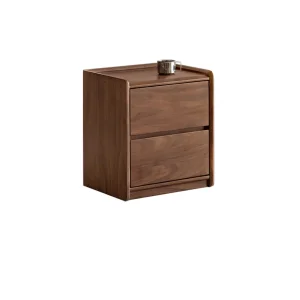
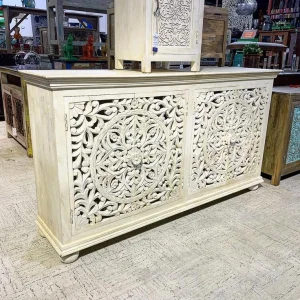
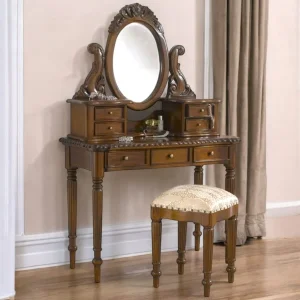
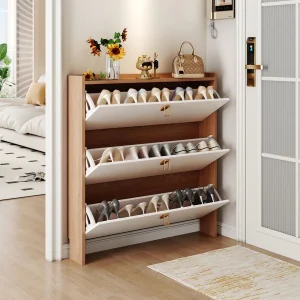
Explore our highly-engineered interior furniture pieces engineered for residential, commercial, and contract environments worldwide.
An Industrial Guide to Material Compliance, Structural Integration, and Supply Chain Sustainability for International Buyers.
Across modern commercial, residential, and co-living design landscapes, the structural specifications of the common dining bench have undergone a significant evolution. Modern contract buyers no longer view the dining bench as merely an auxiliary seating alternative; it is now recognized as a vital mechanism for spatial optimization and collaborative environment building. From university cafeterias and open-plan corporate breakout areas to high-density multifamily residential developments, dining benches provide flexible capacity, a minimalist footprint, and optimized traffic patterns compared to traditional individual seating.
The decision to source dining benches from top factories in China is governed by distinct microeconomic parameters: total cost of ownership (TCO), scale flexibility, component consistency, and compliance with Western performance criteria. Industrial manufacturers like Foshan Lyte Home Co., Ltd. leverage comprehensive local supply chains, advanced CNC machinery, and high-efficiency material nesting technologies. This integration allows international importers, distributors, and specifiers to access cost-effective, custom-engineered products that conform to rigorous contract-use guidelines.
A premium dining bench must withstand high-frequency physical load, shear stresses, and varying environmental conditions (humidity and temperature shifts). In commercial sourcing, the selection of timber substrate and joint engineering directly determines the lifespan of the asset.
Foshan Lyte Home Co., Ltd. implements a multi-material approach, selecting from premium North American hardwoods (such as walnut and white oak), plantation-grown rubberswood, and multi-layered engineered panels. By combining natural materials with high-density engineered substrates, the company achieves maximum dimensional stability. Advanced timber treatment procedures ensure that internal moisture content is stabilized within the target range of 8% to 12%, preventing bowing, warping, and joint separation during oceanic transport and dry indoor usage.
In response to rigorous standards such as Google's Search Quality Rater Guidelines, which emphasize Experience, Expertise, Authoritativeness, and Trustworthiness (E-E-A-T), buyers seek partners with proven industrial experience and transparent operational standards. Modern supply chains demand documentation at every stage of production. A qualified exporter must not only produce premium aesthetics but must also back their operations with clear, verifiable processes.
Foshan Lyte Home Co., Ltd. operates an integrated enterprise resource planning (ERP) framework that tracks raw materials from certified sustainably-managed forests through to final packaging. Our alignment with international standards like FSC (Forest Stewardship Council) and PEFC ensures that environmental stewardship is maintained, providing buyers with the documentation required to fulfill corporate ESG (Environmental, Social, and Governance) targets.
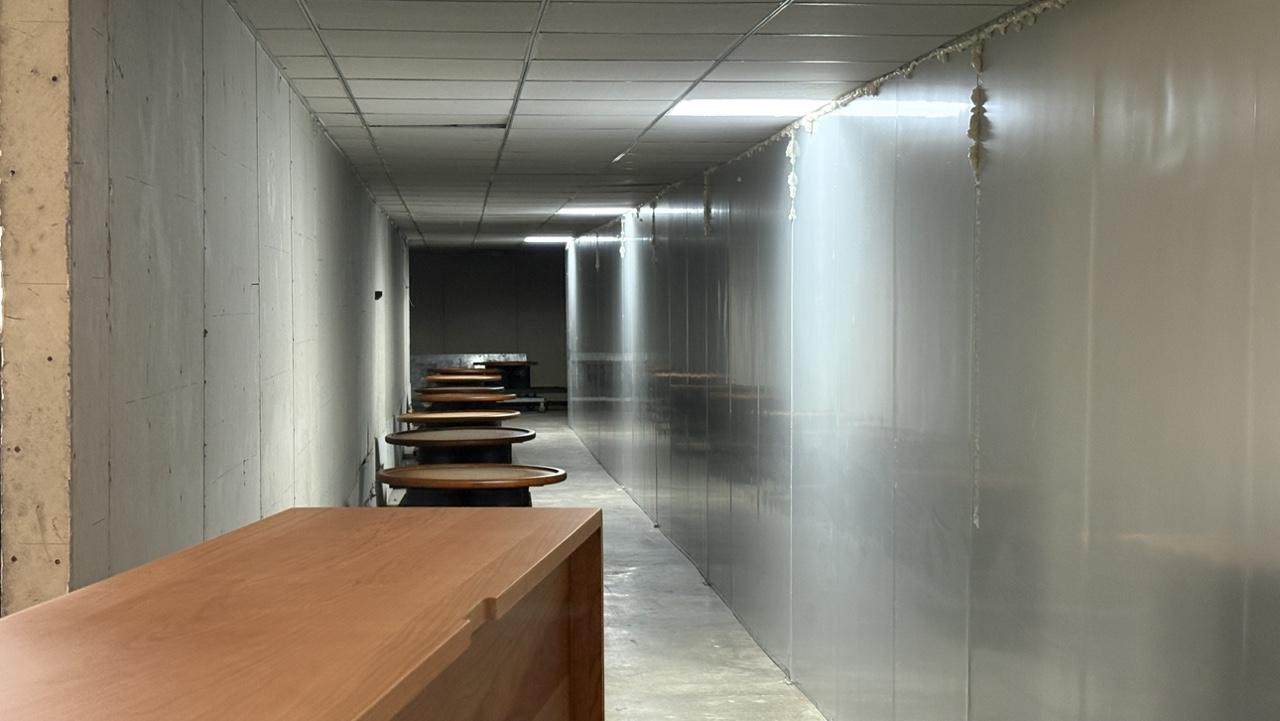
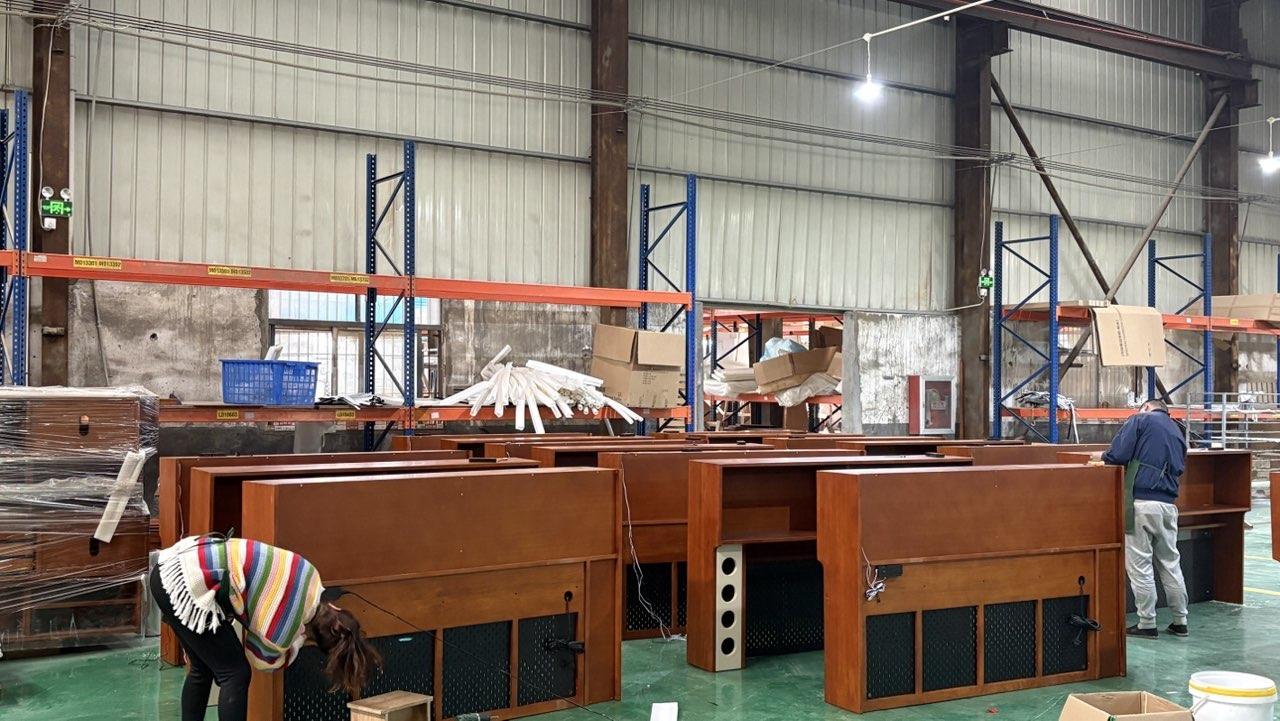
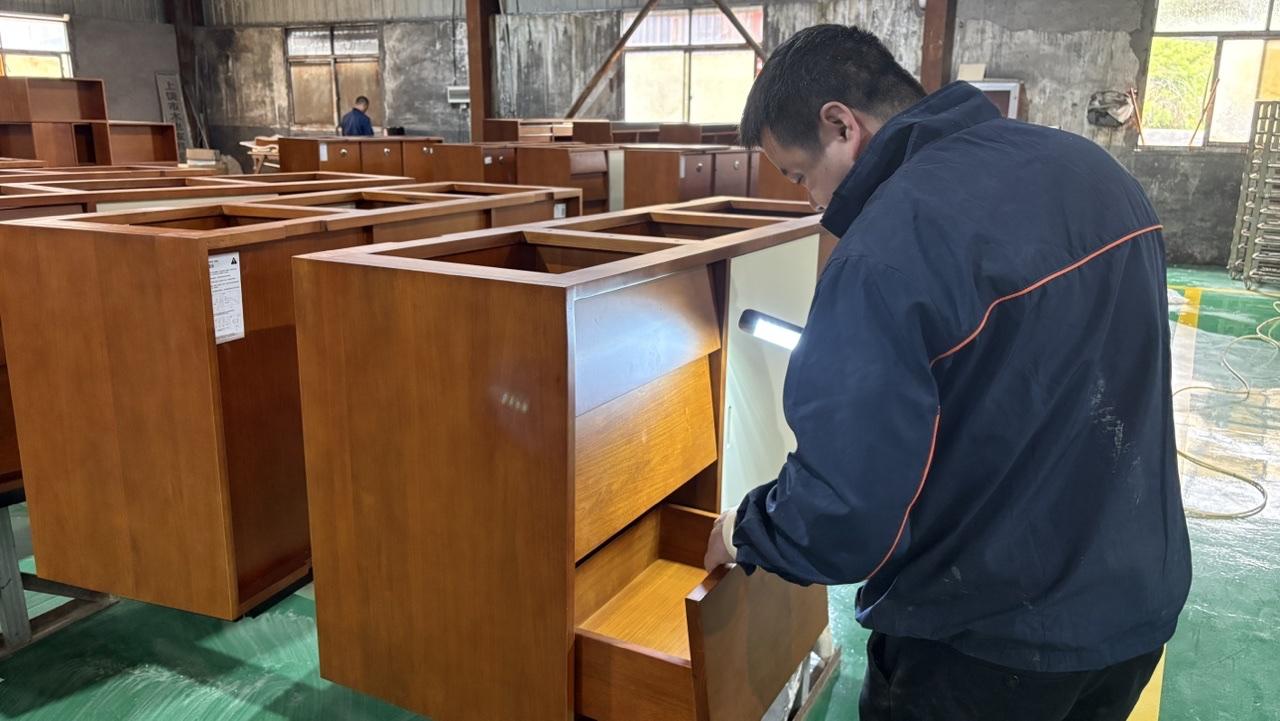
From initial selection to global shipping, see how our factories combine automated efficiency with artisan techniques.
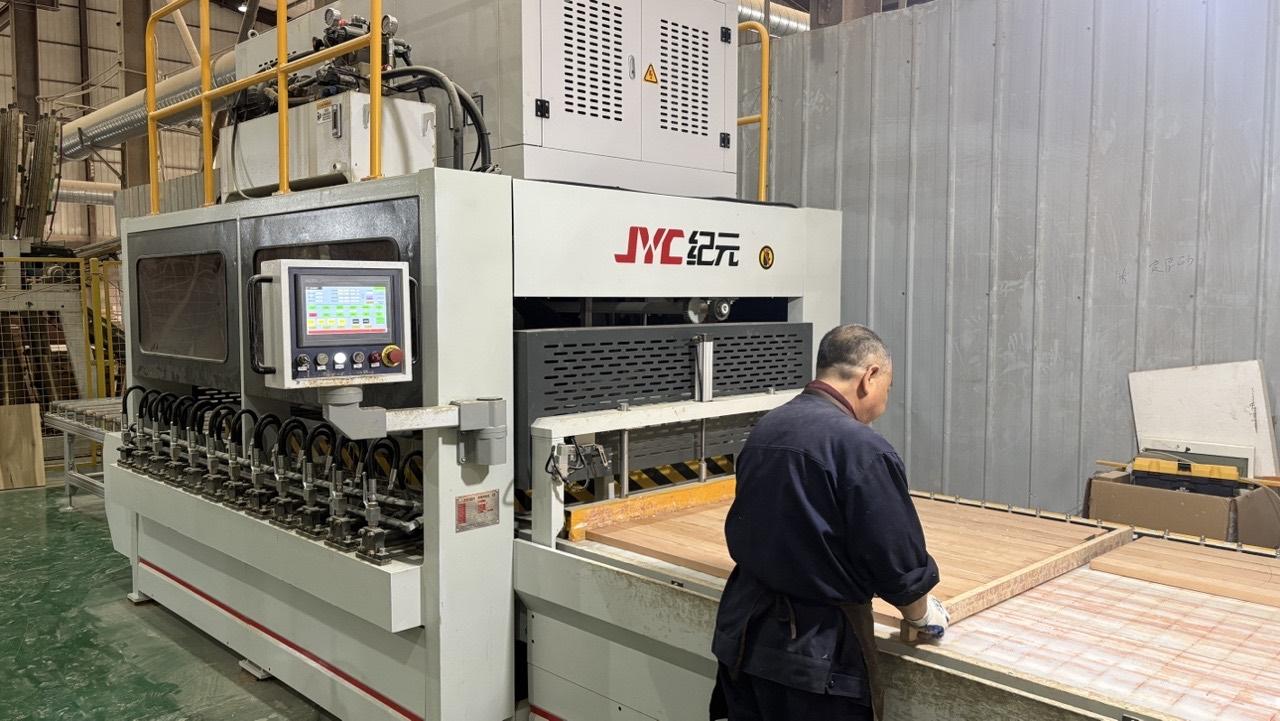
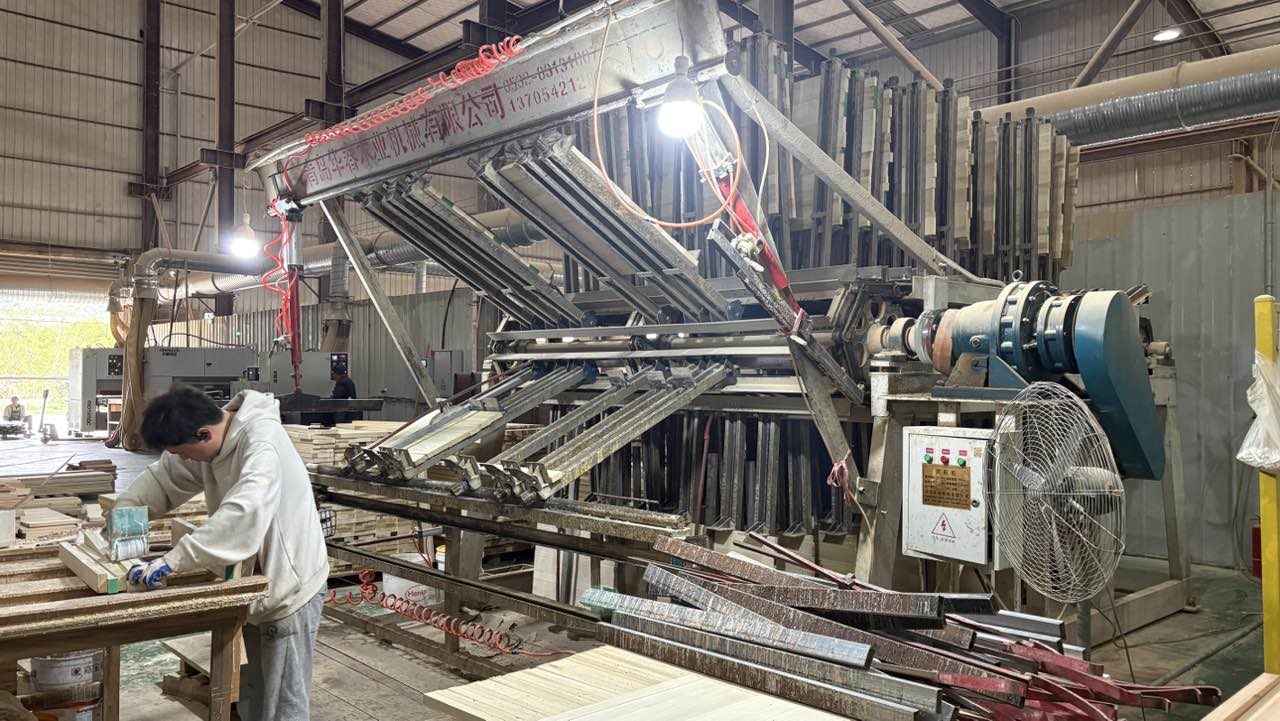
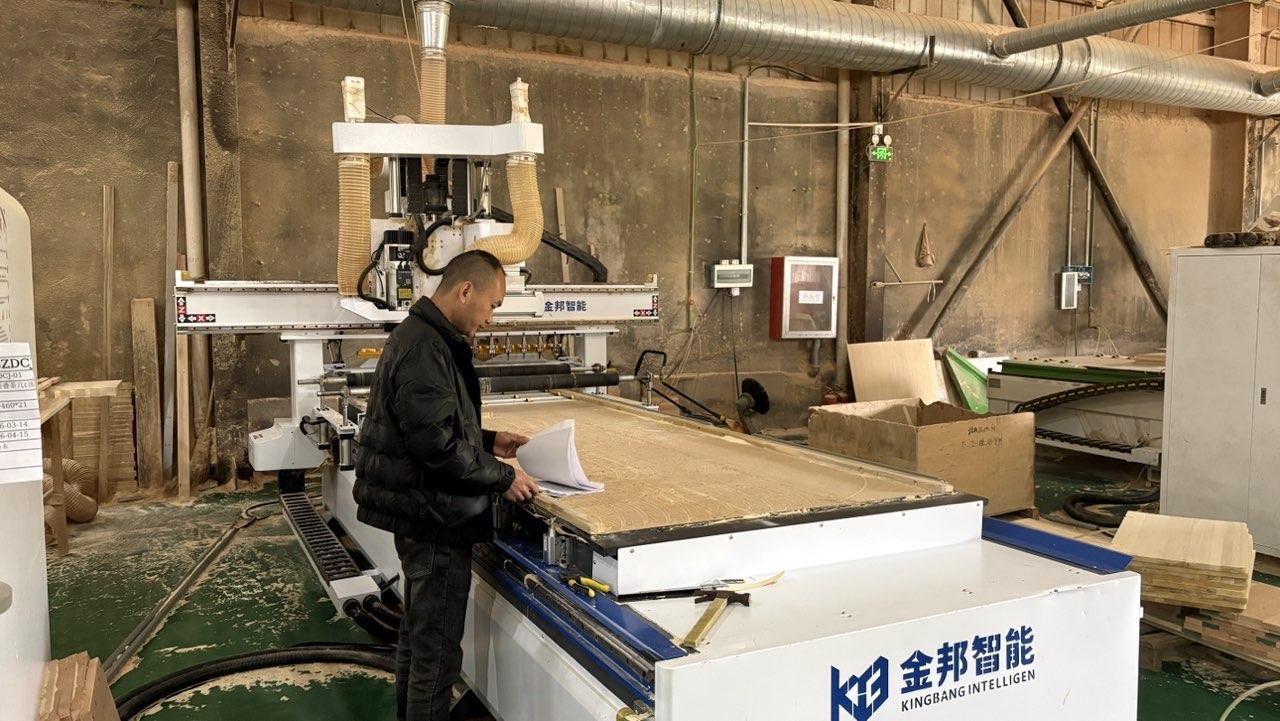
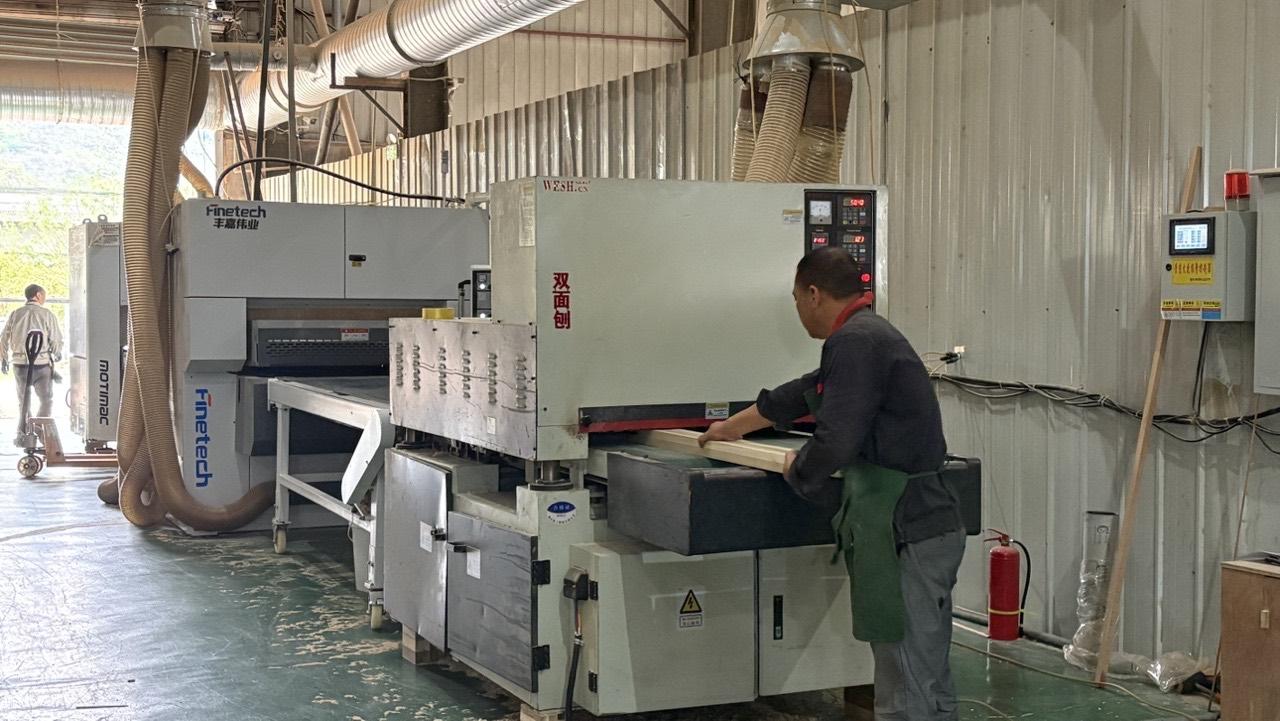
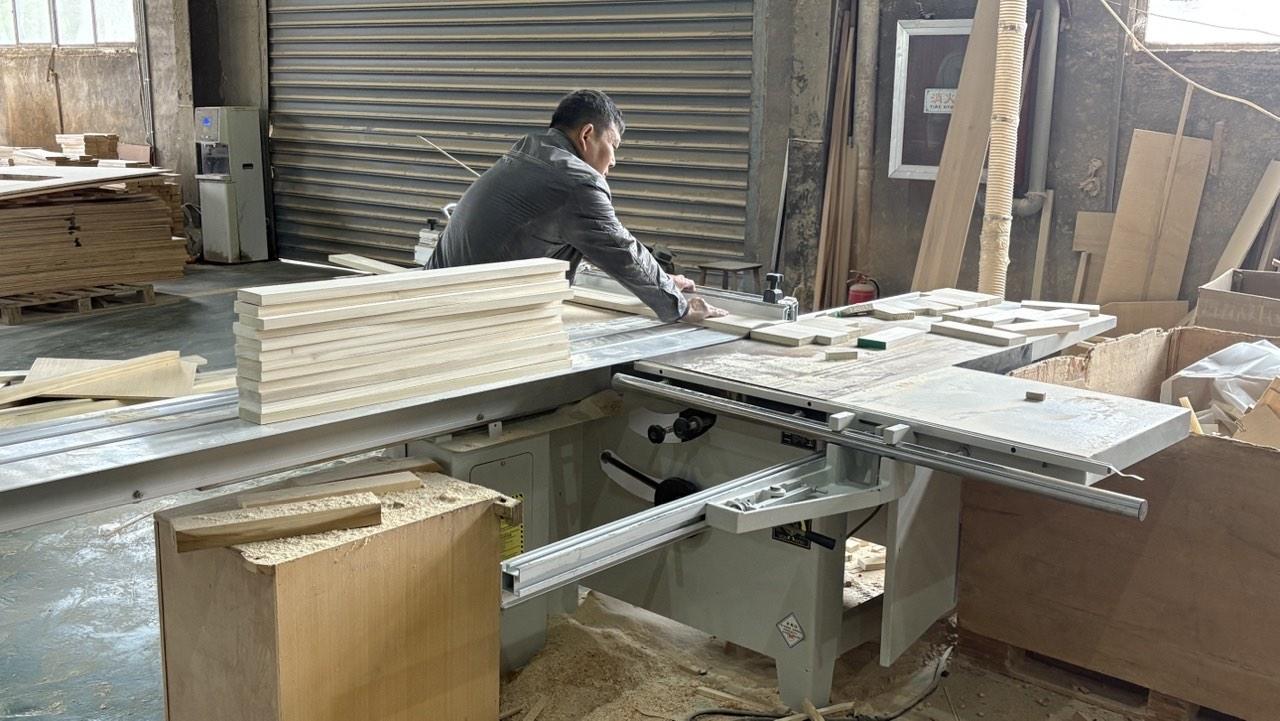
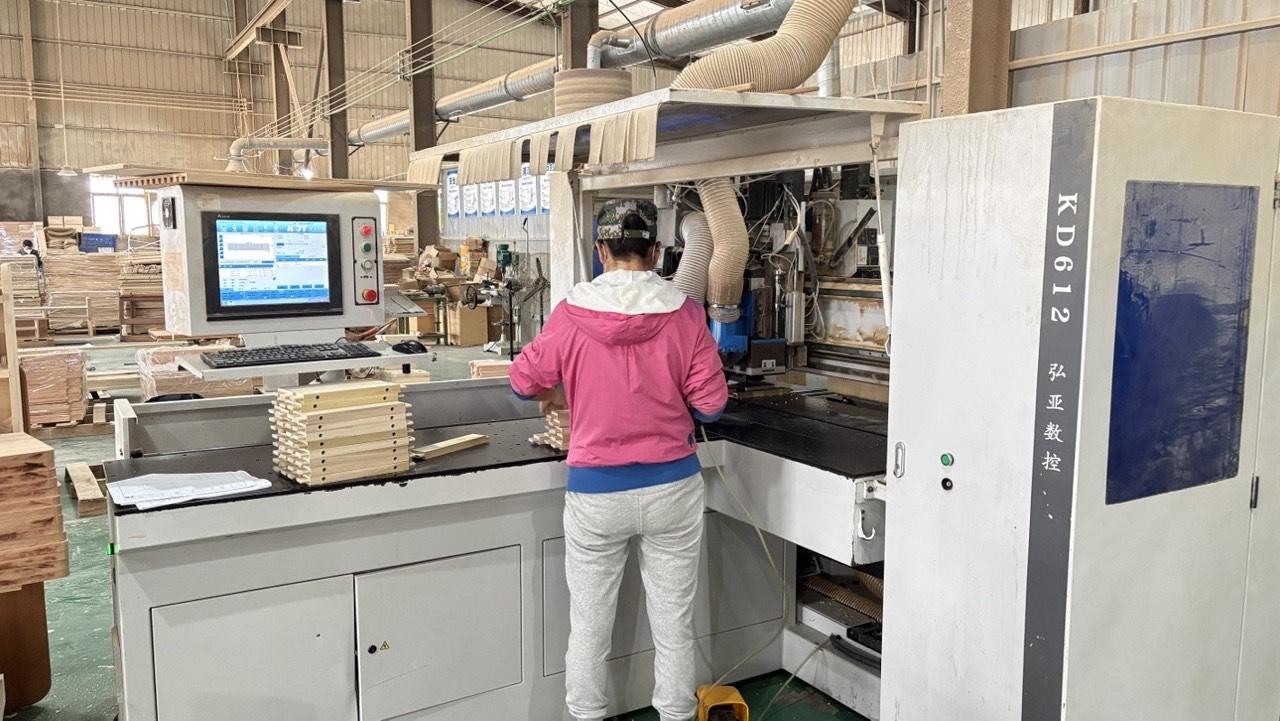
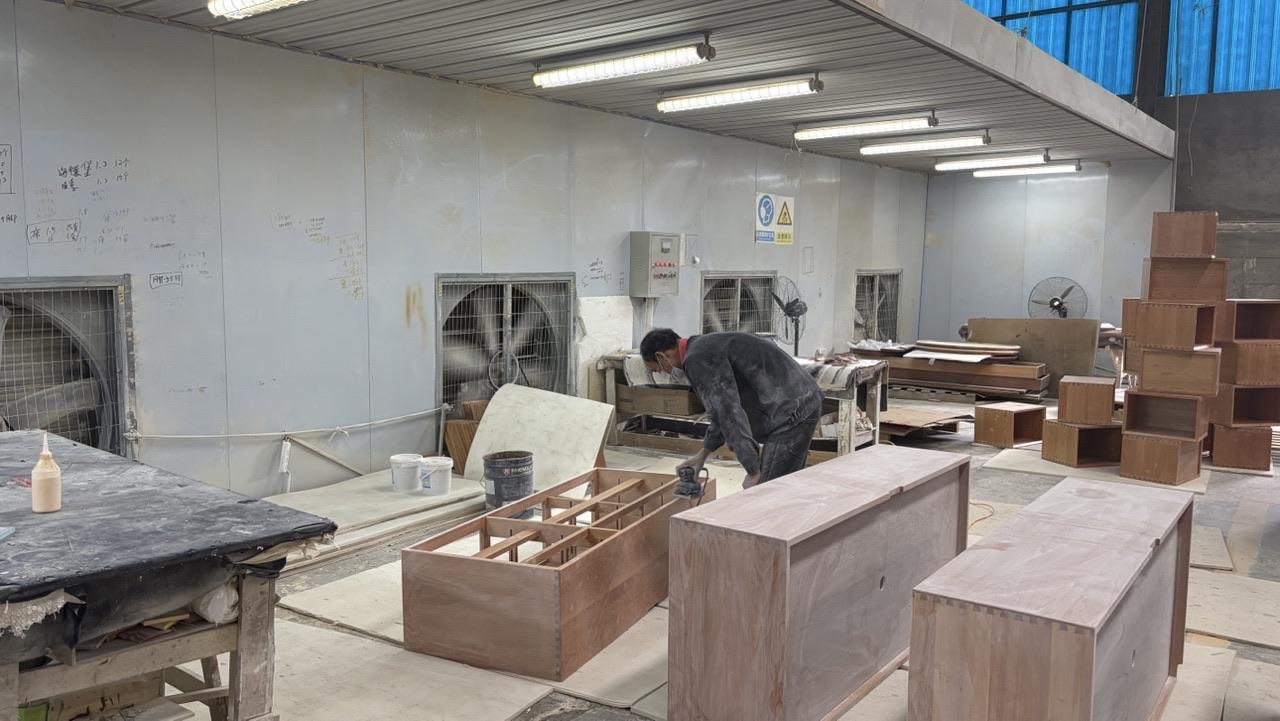
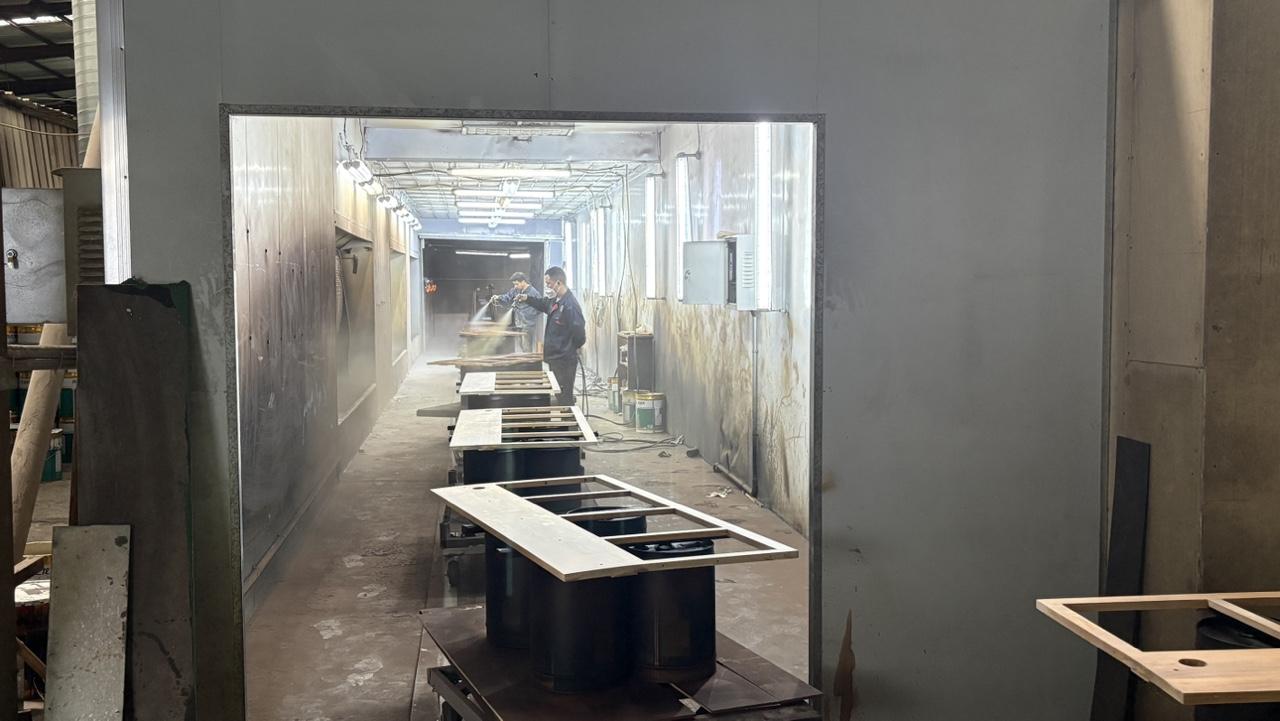
Understanding mechanical limitations and emissions ratings is essential to avoiding customs compliance failures. The table below details the performance properties of our commercial furniture products.
| Performance Indicator | Testing Standard | Achieved Range | Commercial Usability Rating |
|---|---|---|---|
| Formaldehyde Emission | EN 717-1 / ASTM D6007 | < 0.05 mg/m³ (E0 / E1 Certified) | Excellent (Safe for educational and clinical environments) |
| Static Load Limits | ANSI/BIFMA X5.4 | 350 lbs - 600 lbs (Structural limit) | High Traffic / Heavy Commercial Spec |
| Timber Hardness index | Janka Ball Test | 1,010 lbf (Rubberwood) - 1,320 lbf (Ash) | Dent-resistant surface suited for public dining areas |
| Coating Resilience | ASTM D3359 Cross-Cut Tape | 4B - 5B (Superior adhesion) | Resistant to commercial sanitizers and solvents |
| Moisture Equilibrium | Oven-Dry Method | 8.0% - 10.5% (Pre-shipment control) | Protects against shrinkage and fiber checking |
Enterprise purchasing departments require strict adherence to geographical timber regulations. With structural assets imported into various jurisdictions, compliance with local laws (such as the US Lacey Act, EU Timber Regulation (EUTR), and Australian Illegal Logging Prohibition Act) must be documented.
We mandate that all composite panels used in our designs contain ultra-low formaldehyde resins, fully meeting California and federal US EPA requirements.
Every wooden element is traced from harvested plantations to manufacturing centers, preventing deforestation and supporting local communities.
Transit damage is minimized through double-wall corrugated cartons, high-density edge guards, and vibration drop-testing prior to vessel container loading.
Explore more premium products designed to elevate modern offices, living rooms, and hospitality spaces.
 Lyte Home