As micro-living developments, high-density academic housing, and luxury eco-resorts continue to proliferate worldwide, the strategic demands placed upon bunk bed manufacturers and exporters have underwent a fundamental structural shift. Modern bulk procurement is no longer just a function of cost per unit; it is an optimization challenge balancing load-bearing engineering, architectural spatial efficiency, stringent multi-jurisdictional chemical emission compliance, and resilient supply chain logistics.
Key global growth drivers include the rapid urbanization of the Asia-Pacific region, rising real estate costs across Western Europe and North America, and the explosive growth of experiential co-living spaces. Large-scale global buyers, including hospitality chains, real estate developers, and national defense procurement officers, are increasingly scrutinizing the engineering validation methods of exporters. Structural integrity verified via Finite Element Analysis (FEA) and physical testing regimens (such as ASTM F1427 and EN 747) has transitioned from a premium differentiator to a basic regulatory baseline.
Foshan Lyte Home Co., Ltd. is a modern home furnishing enterprise dedicated to delivering high-quality, design-oriented furniture solutions to customers across the globe. With a business presence in more than 100 countries and regions, the company has built a strong reputation for reliability, craftsmanship, and innovative design thinking, earning the trust and long-term cooperation of clients from diverse international markets.
Rooted in a philosophy that blends contemporary aesthetics with functional living, Foshan Lyte Home Co., Ltd. focuses on creating furniture that reflects the harmony between people and their living environments. The company continuously explores the relationship between modern lifestyle needs and human-centered design, aiming to produce furniture pieces that are not only visually refined, but also practical, comfortable, and durable for everyday use.
From early-stage concept development and industrial design to large-scale manufacturing and global distribution, the company operates a fully integrated system. This end-to-end capability ensures strict quality control, efficient production management, and consistent design standards across all product categories. By combining advanced manufacturing technologies with experienced craftsmanship and creative design teams, Foshan Lyte Home Co., Ltd. is able to respond quickly and effectively to evolving international market trends.
In addition, the company places strong emphasis on material selection, structural innovation, and sustainable development practices, striving to balance aesthetics with environmental responsibility. Continuous innovation in design language and production techniques enables the company to enhance the value of its products and improve the overall user experience.
Guided by its "Mission for Better Living," Foshan Lyte Home Co., Ltd. is committed to bringing aesthetic, functional, and sustainable home solutions to customers worldwide. Through constant innovation and dedication to quality, the company aims to elevate everyday living spaces and inspire more comfortable, elegant, and meaningful lifestyles.
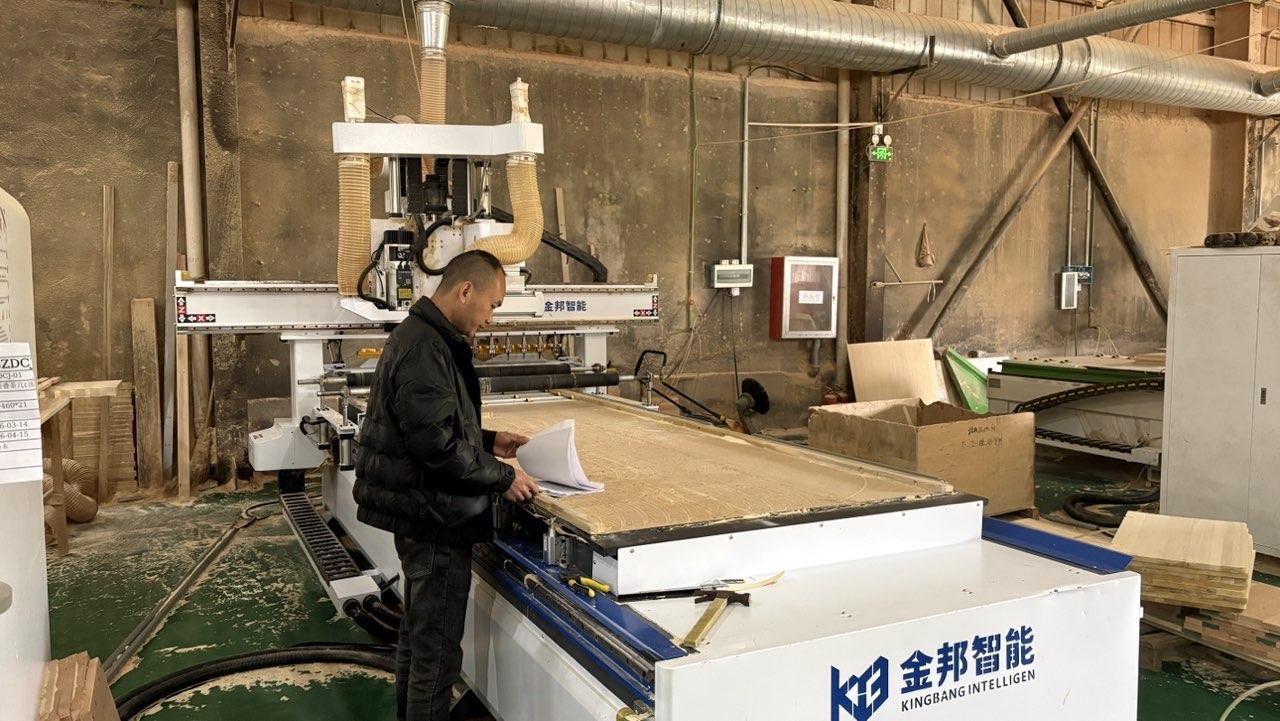
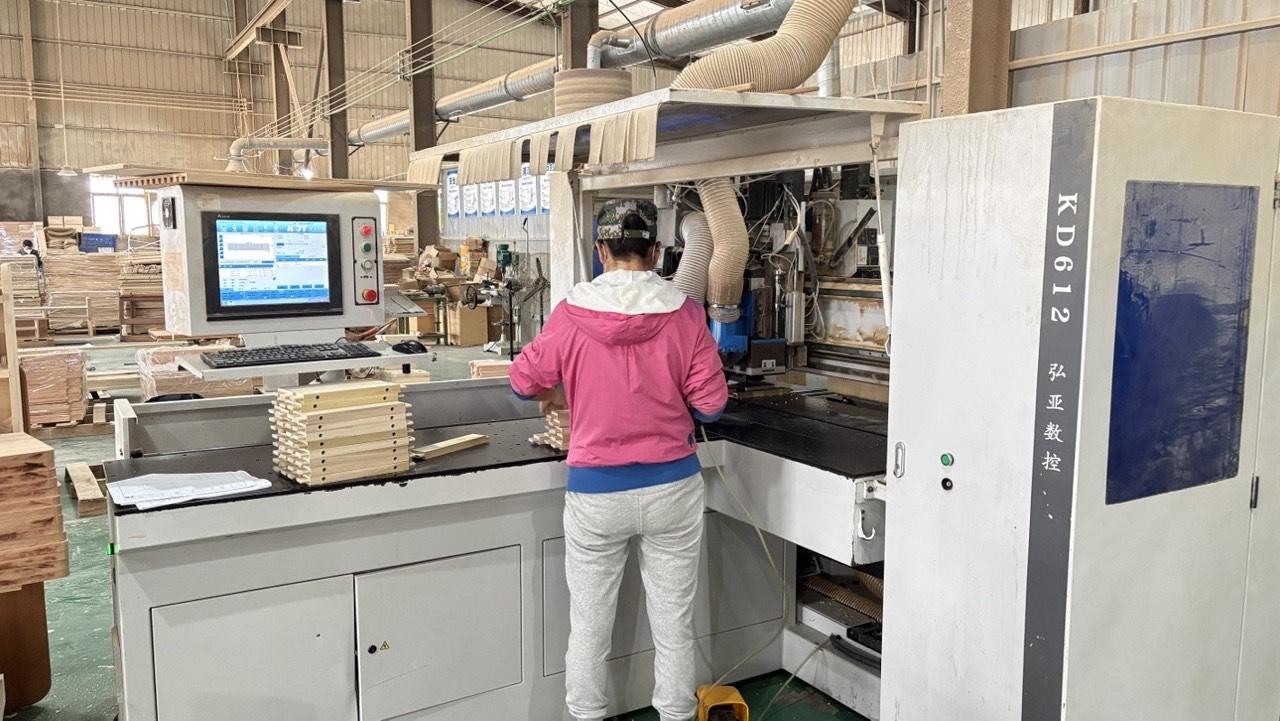
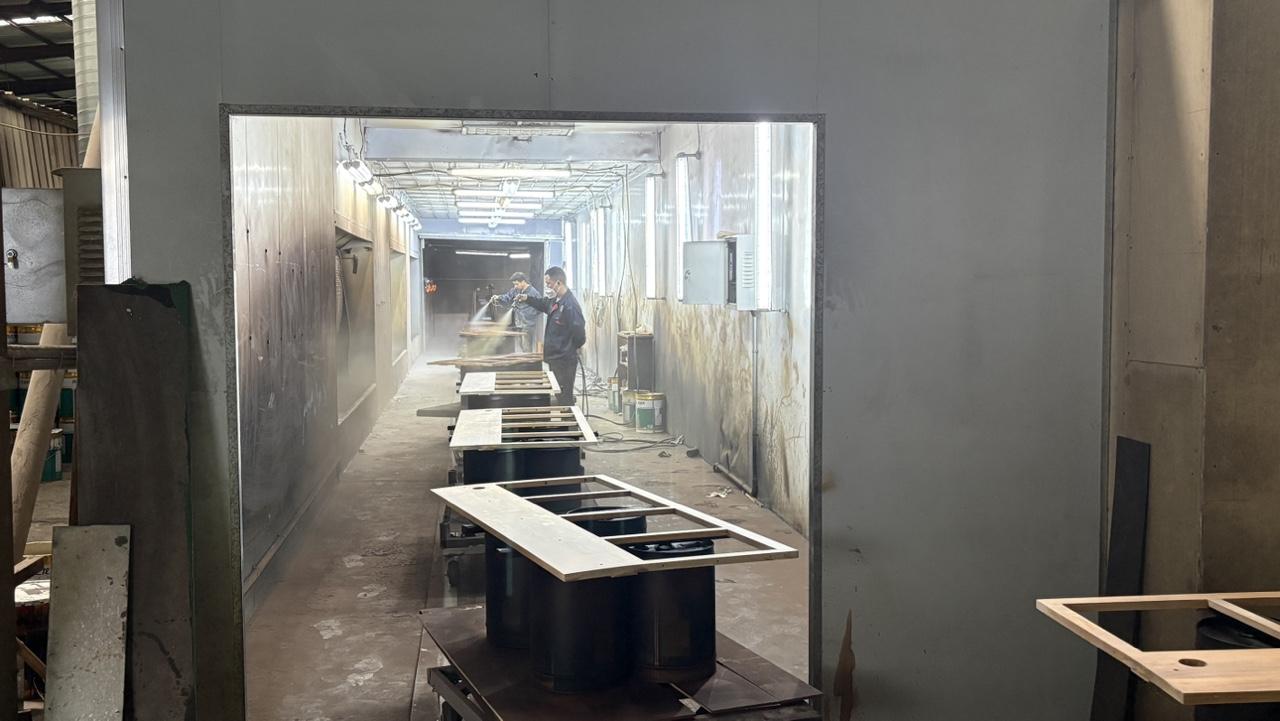
Delivering high-capacity bunk beds that withstand decades of structural wear requires rigorous physical processing. Below is the technical roadmap deployed by industry leaders like Foshan Lyte Home Co., Ltd., visualising the precision step-by-step assembly and quality gates.
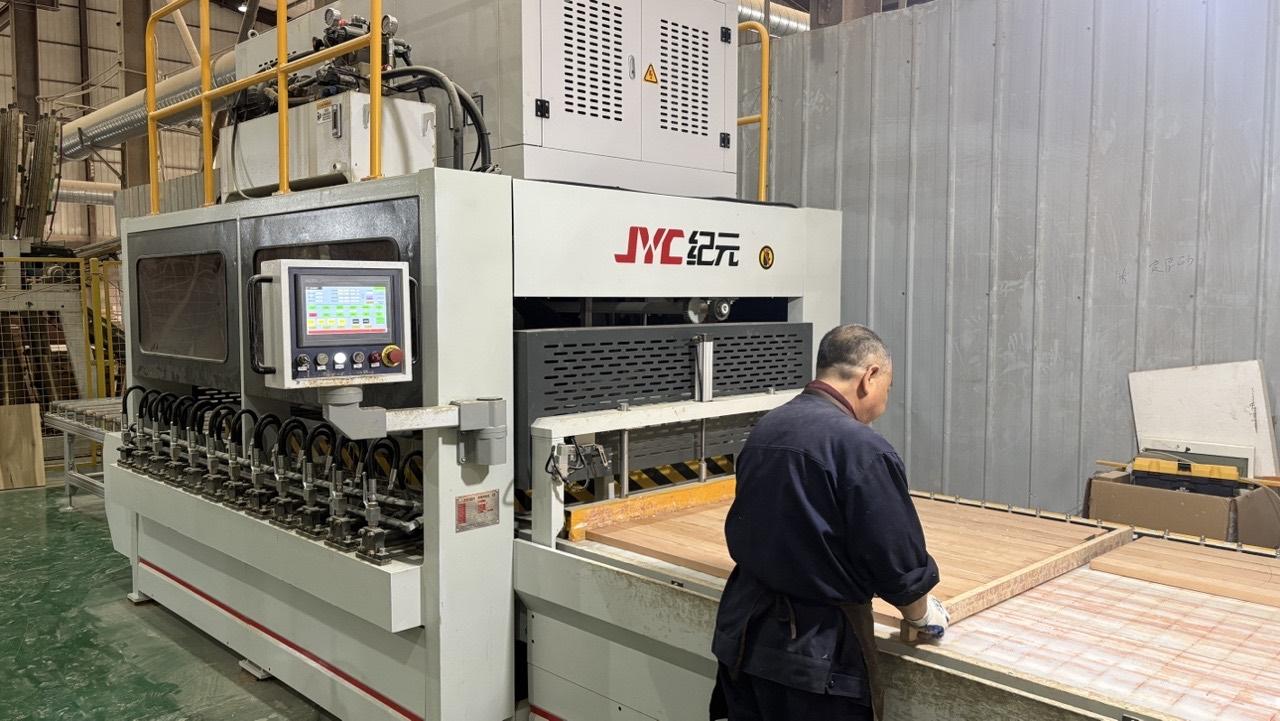
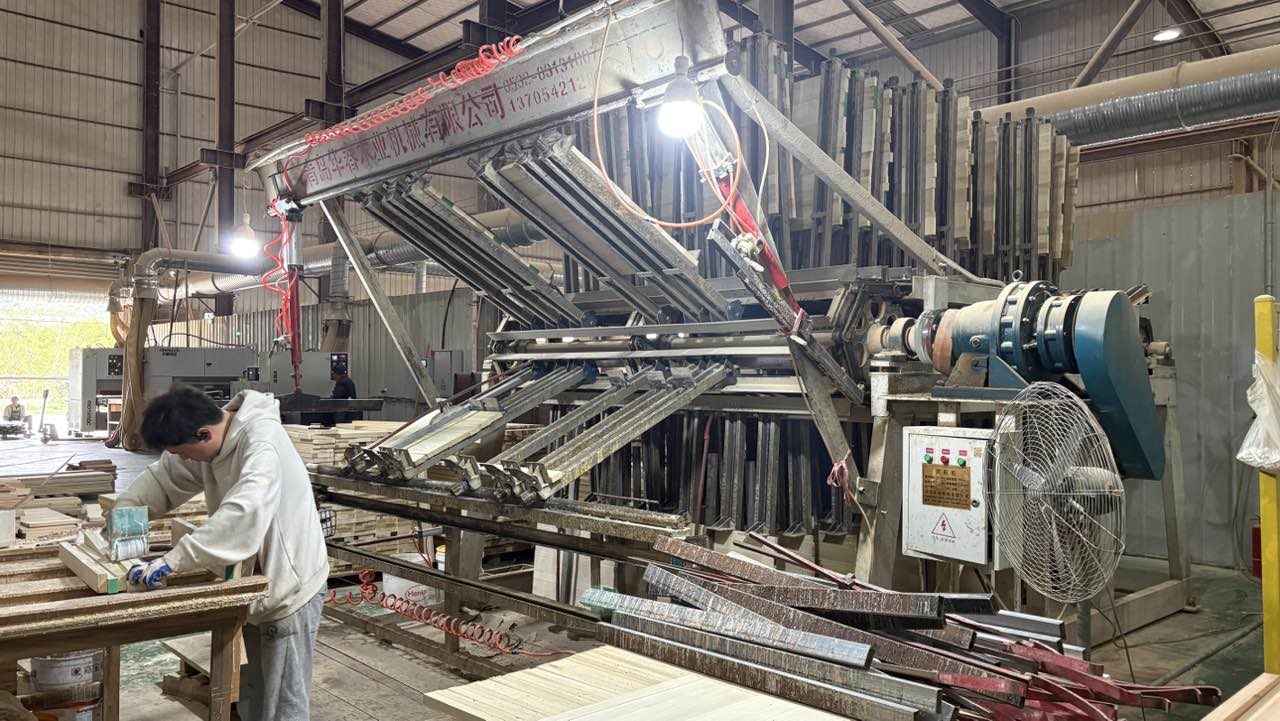
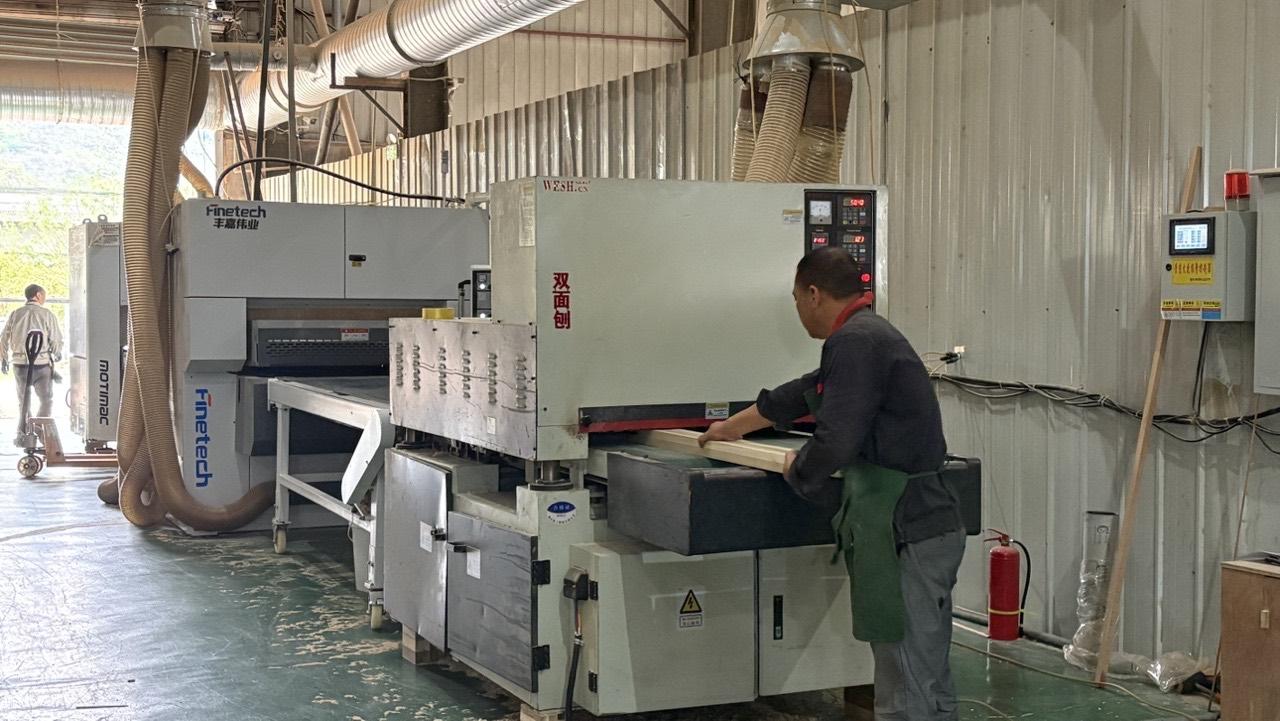
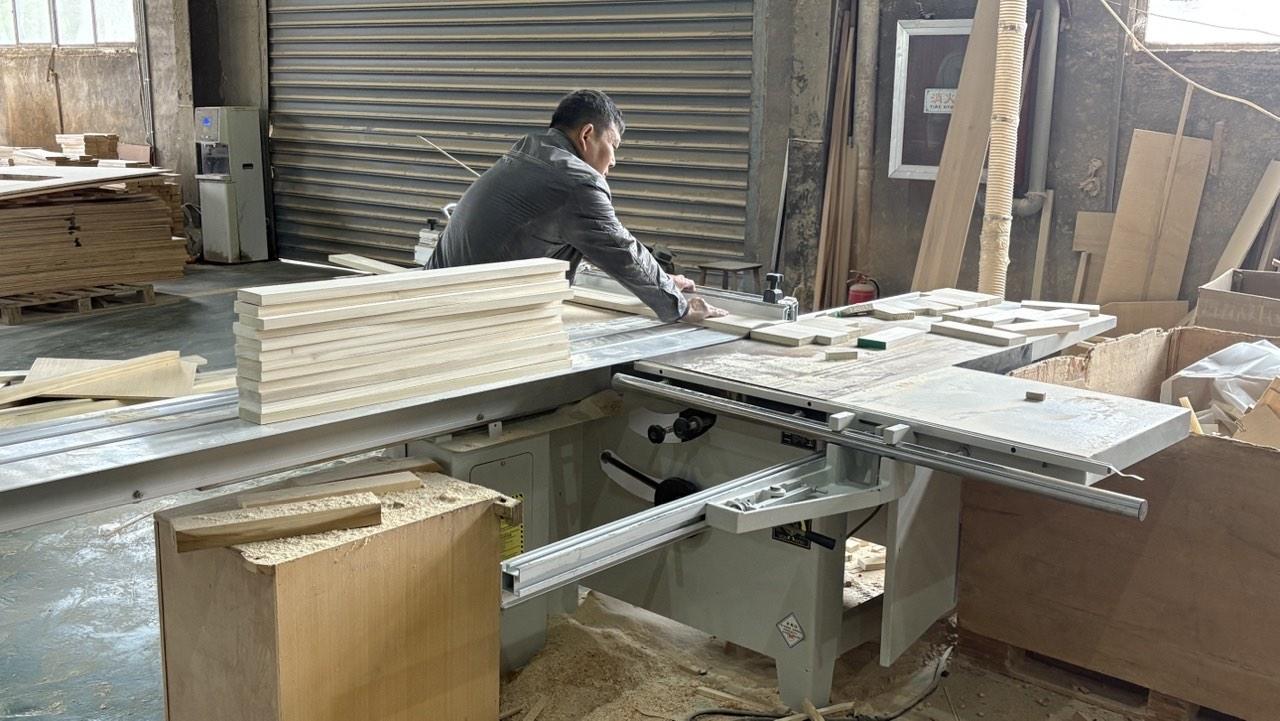

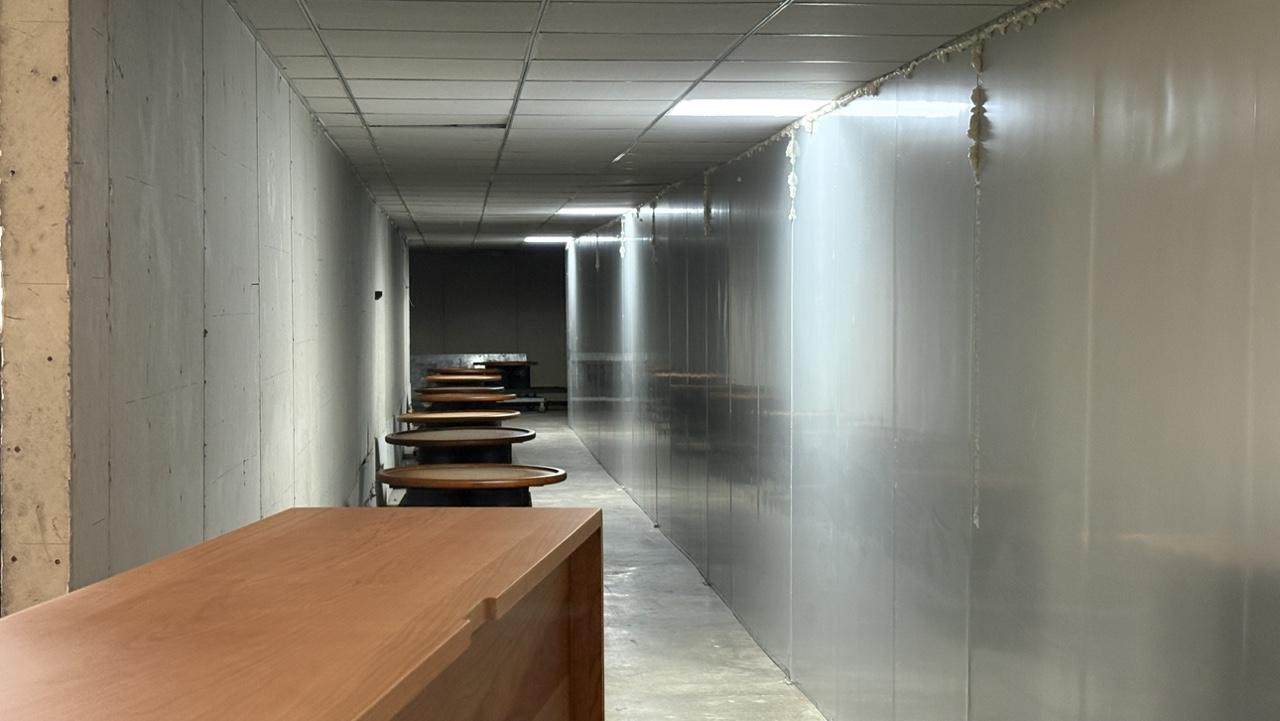
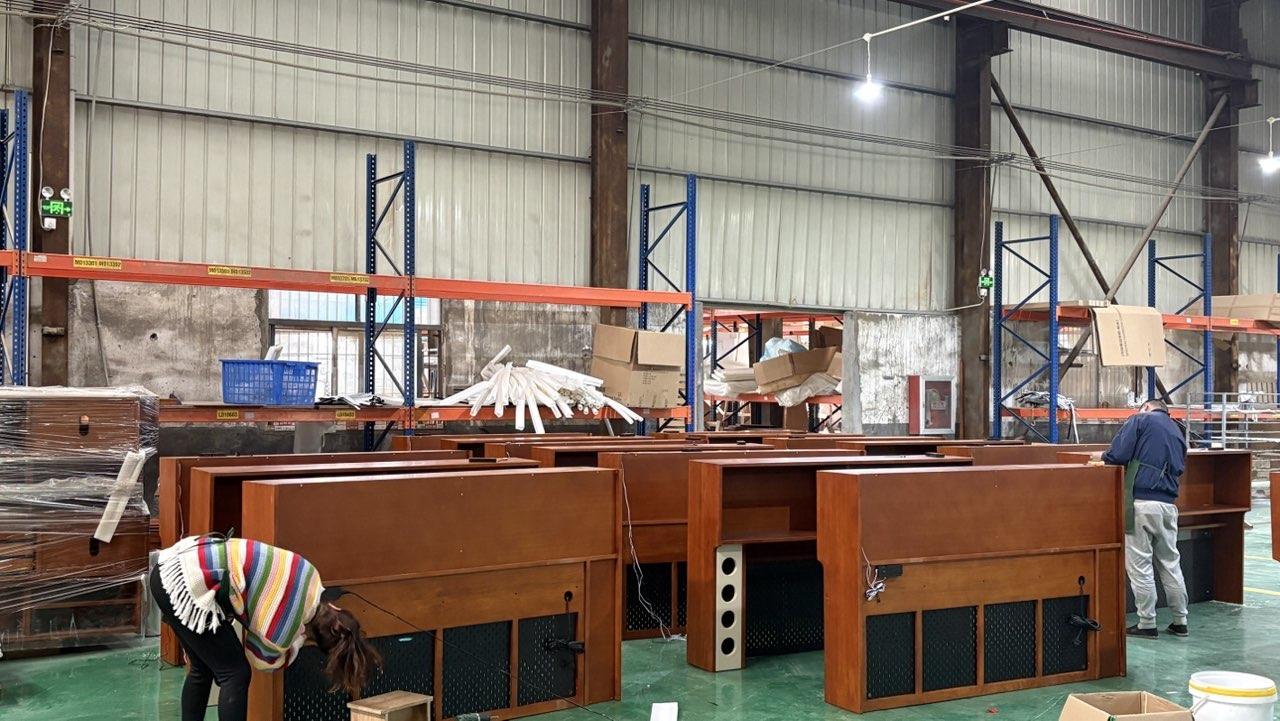
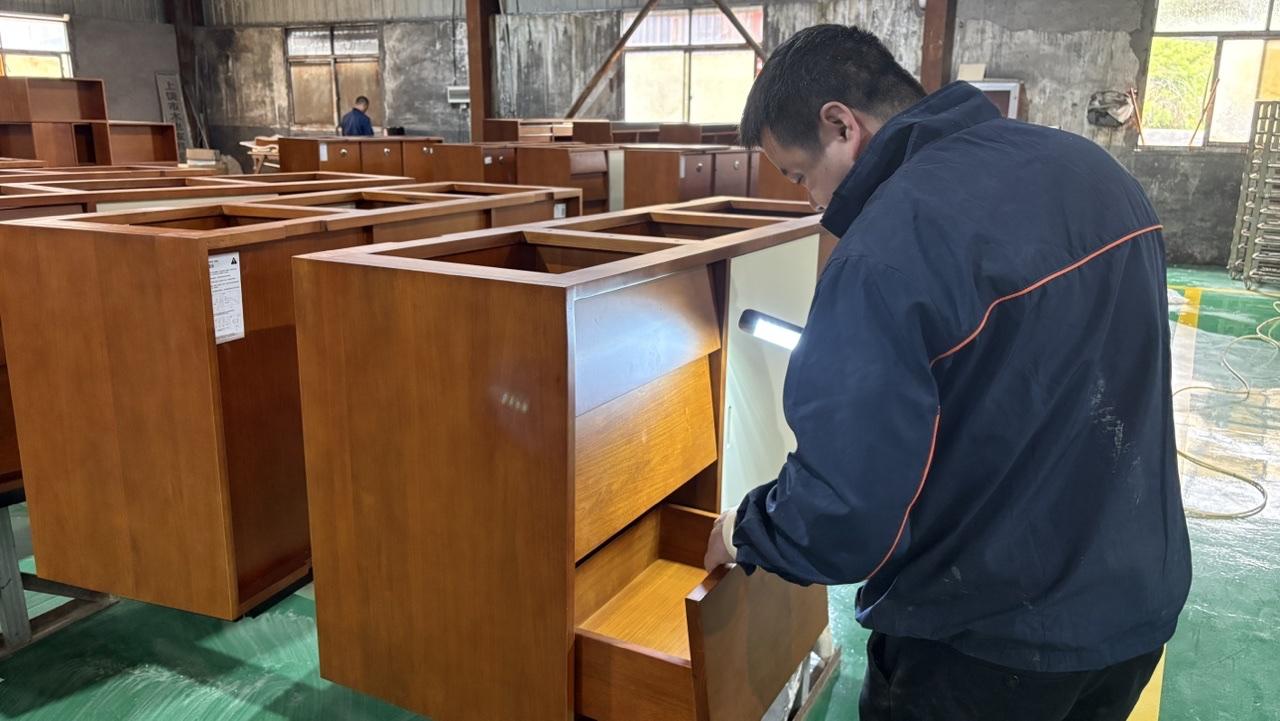
The manufacturing process begins with advanced moisture-level calibration. Wood Jointing and general Jointing steps utilize specialized high-frequency curing to guarantee that solid wood or engineered composites reach structural stabilization between 8% to 12% moisture content. This prevents structural deformation, warping, or cracking during intercontinental shipping through diverse climate zones.
CNC Carving and micro-meter Planing ensure that every groove, tenon, and joint fits with tolerances under 0.2mm. Multi-spindle drilling ensures hardware alignment is perfectly repeatable, enabling straightforward flat-pack end-user assembly.
The Polishing phase utilizes ascending grits (from 180 up to 400) to prepare surfaces for non-toxic electrostatic Spray Painting. Our multi-stage paint line coats the frames with environmentally safe finishes, followed by controlled heat-humidity chambers for optimal Drying.
The final crucial steps, Assembling and Inspection, represent the core of E-E-A-T compliance. Every batch undergoes physical mock-ups, static/dynamic load simulations, and safety barrier shear stress testing before being flat-packed and cleared for global distribution.
The global dominance of Chinese bunk bed exporters is not simply a matter of scale; it is an structural advantage rooted in clustered manufacturing ecosystems. Located in industrial hubs like Foshan, Guangdong, manufacturers operate in close proximity to timber supply chains, advanced CNC machinery producers, specialized hardware mills, and deepwater logistics ports.
This vertical integration ensures rapid response rates (often under 14 days for custom product development cycles) that are impossible to duplicate elsewhere. For instance, when a developer requests a custom bunk bed configuration with integrated charging ports and local safety compliance certification, Chinese factories can quickly mobilize hardware specialists, sheet-metal fabricators, and certified wood laboratories to deliver structural mock-ups within days.
University student accommodations require bunk beds characterized by high durability, compact integration, and low maintenance overheads. Standard residential designs fail within semesters under high-load use cases. Exporters address this market with heavy-duty solid timber or steel frames that feature built-in study desks, secure locker systems, and integrated electrical conduits.
Modern luxury hostels require "pod-style" bunk systems. These systems focus heavily on guest privacy and micro-amenities. Key design modifications include acoustic panel dampening, integrated blackout privacy curtains, built-in LED reading lights, and independent ventilation channels, converting a standard frame into a premium micro-cabin.
For humanitarian or military deployments, bunk systems must prioritize tool-free assembly, rapid deployment speeds, and lightweight structural profiles. In these situations, modern manufacturers supply modular folding bunk systems that pack flat to maximize container capacity and can be deployed by unskilled labor in under 5 minutes per unit.
Safety is the primary liability focus for bunk bed distributors and retailers. Failure to meet localized regulatory standards can lead to customs seizures, distributor fines, and costly recalls. Trusted manufacturers ensure their engineering conforms to several major regional frameworks:
The next generation of bunk bed designs will integrate technological and ecological innovations. IoT integrations, such as built-in smart sleep monitoring sensors, customizable LED circadian lighting, and wireless charging plates, are increasingly requested by co-living developers. Furthermore, circular economy goals are driving manufacturers to replace traditional binders with biodegradable alternatives, aiming for a carbon-neutral manufacturing cycle.

 Lyte Home