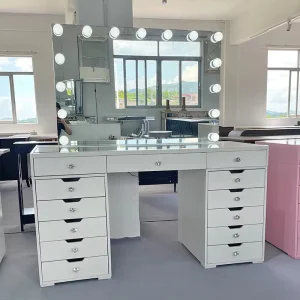
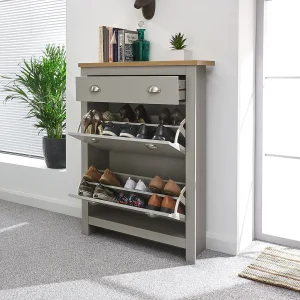
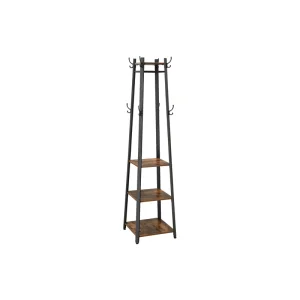
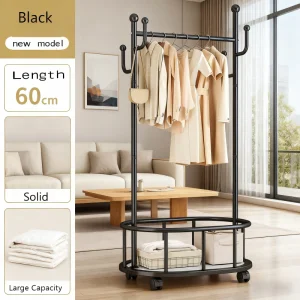
Explore high-performance modular furniture and adaptive workspace items engineered for residential and commercial spaces.
Foshan Lyte Home Co., Ltd. is a modern home furnishing enterprise dedicated to delivering high-quality, design-oriented furniture solutions to customers across the globe. With a business presence in more than 100 countries and regions, the company has built a strong reputation for reliability, craftsmanship, and innovative design thinking, earning the trust and long-term cooperation of clients from diverse international markets.
Rooted in a philosophy that blends contemporary aesthetics with functional living, Foshan Lyte Home Co., Ltd. focuses on creating furniture that reflects the harmony between people and their living environments. The company continuously explores the relationship between modern lifestyle needs and human-centered design, aiming to produce furniture pieces that are not only visually refined, but also practical, comfortable, and durable for everyday use.
From early-stage concept development and industrial design to large-scale manufacturing and global distribution, the company operates a fully integrated system. This end-to-end capability ensures strict quality control, efficient production management, and consistent design standards across all product categories. By combining advanced manufacturing technologies with experienced craftsmanship and creative design teams, Foshan Lyte Home Co., Ltd. is able to respond quickly and effectively to evolving international market trends.
In addition, the company places strong emphasis on material selection, structural innovation, and sustainable development practices, striving to balance aesthetics with environmental responsibility. Continuous innovation in design language and production techniques enables the company to enhance the value of its products and improve the overall user experience.
Guided by its “Mission for Better Living,” Foshan Lyte Home Co., Ltd. is committed to bringing aesthetic, functional, and sustainable home solutions to customers worldwide. Through constant innovation and dedication to quality, the company aims to elevate everyday living spaces and inspire more comfortable, elegant, and meaningful lifestyles.
The global contract furniture market is undergoing a major paradigm shift. Driven by spatial constraints in urban megacities and the rise of flexible workspaces, commercial and residential buyers are moving away from monolithic, rigid furniture. Instead, modern procurement teams focus heavily on adaptive, mobile, and folding platforms. The modern foldable table factory is no longer just a wood-processing facility; it has transformed into an advanced engineering laboratory where kinematics, structural load calculations, and space efficiency converge.
According to market analytics, the demand for modular and mobile space solutions is projected to grow at a CAGR of 6.2% through 2030. Key driving factors include the high cost of commercial real estate, which forces facilities managers to optimize floor plans. Multi-purpose halls, agile offices, and micro-apartments must transition from hosting collaborative workshops to formal meetings or open areas within minutes. A high-quality folding mechanism directly influences a facility's setup and tear-down times. As a result, global procurement strategies favor manufacturers that combine material science with durable, user-centric hardware designs.
Maximizes real estate ROI by allowing single rooms to serve as conference areas, collaborative zones, or clear floors. Compact storage configurations reduce warehousing space by up to 75%.
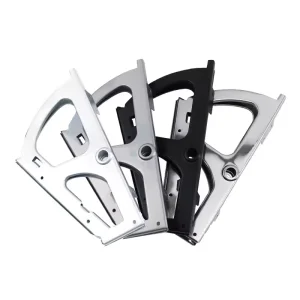
Advanced engineering focuses on pinch-free joints, pneumatic-assisted lifting, and secure gravity-lock structural mechanisms. This reduces workplace injury liability during daily configurations.
Leading factories design for disassembly, ensuring metal legs, polyurethane edges, and composite table surfaces can be separated and recycled at end-of-life cycles.
China's manufacturing supremacy in the folding table industry is built on dense, specialized industrial clusters, vertically integrated supply chains, and decades of engineering experience. While emerging regional manufacturing bases offer competitive basic labor rates, they often lack the complete, specialized ecosystem required to build high-performance, complex contract furniture.
In furniture hubs like Foshan, Guangdong, factories operate within a 30-minute radius of raw material suppliers, automated powder-coating plants, specialized tooling workshops, and deep-water ports. This proximity minimizes logistical bottlenecks and allows factories to scale production rapidly. When a project requires custom-extruded aluminum frames or specific fire-retardant surface materials, Chinese factories can prototype, verify compliance, and begin volume manufacturing in a fraction of the time required elsewhere.
Furthermore, Chinese manufacturers lead the transition from basic manual operations to Industry 4.0 automation. The integration of high-speed CNC nesting machines, automated robotic welders, and computer-controlled edge-banding lines ensures tight dimensional tolerances. This technological precision is vital for foldable tables, where even a half-millimeter deviation in hinge alignment can cause structural instability or premature failure under load.
A detailed look at the 11 key engineering steps that convert raw materials into high-performance, export-ready contract furniture.
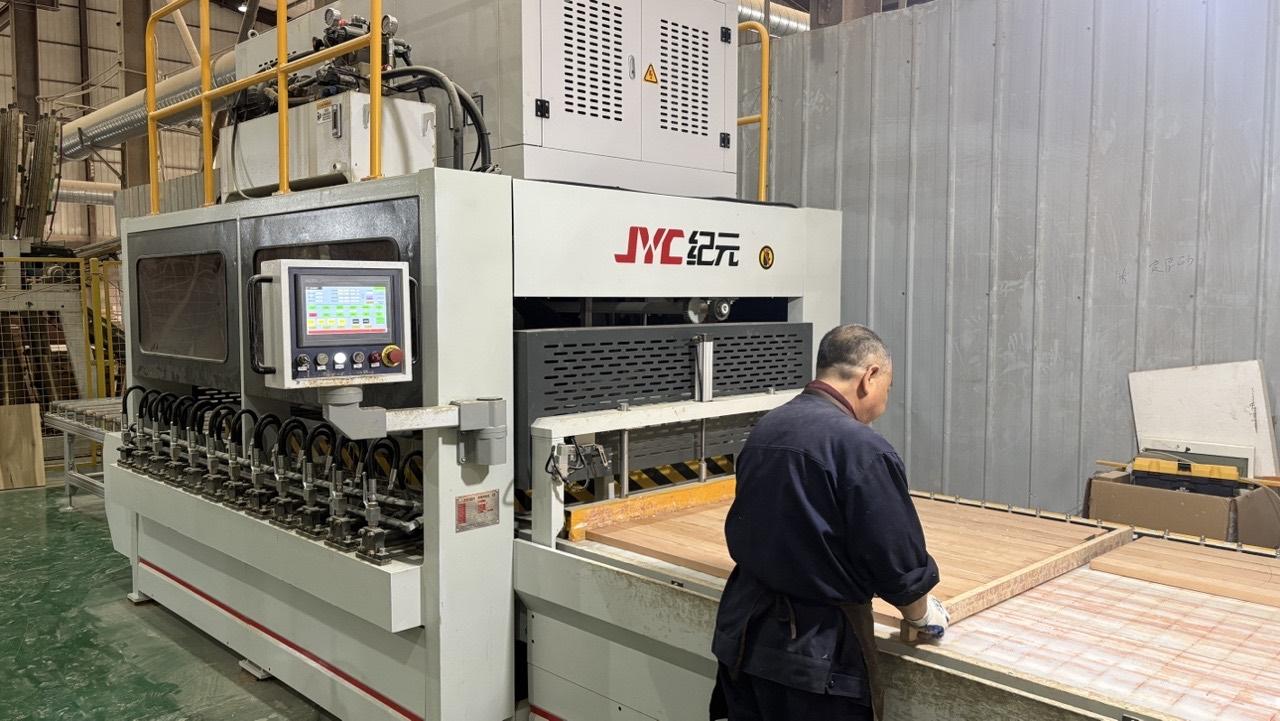
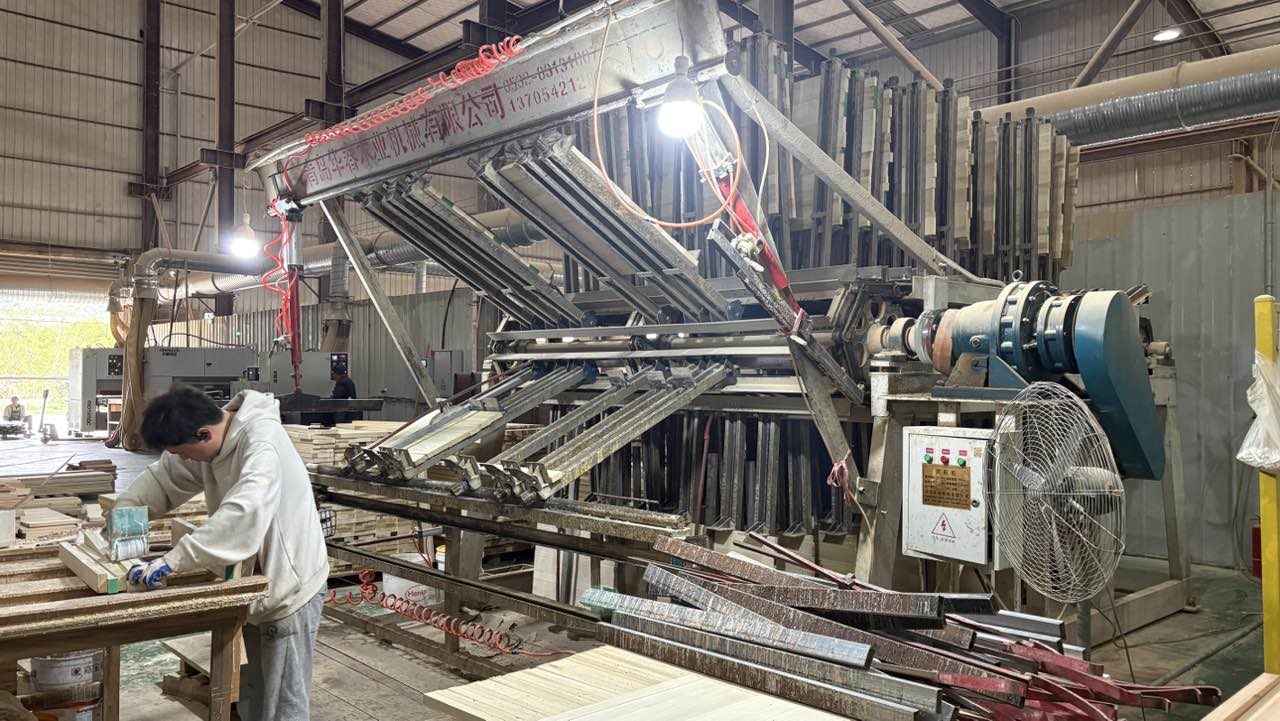
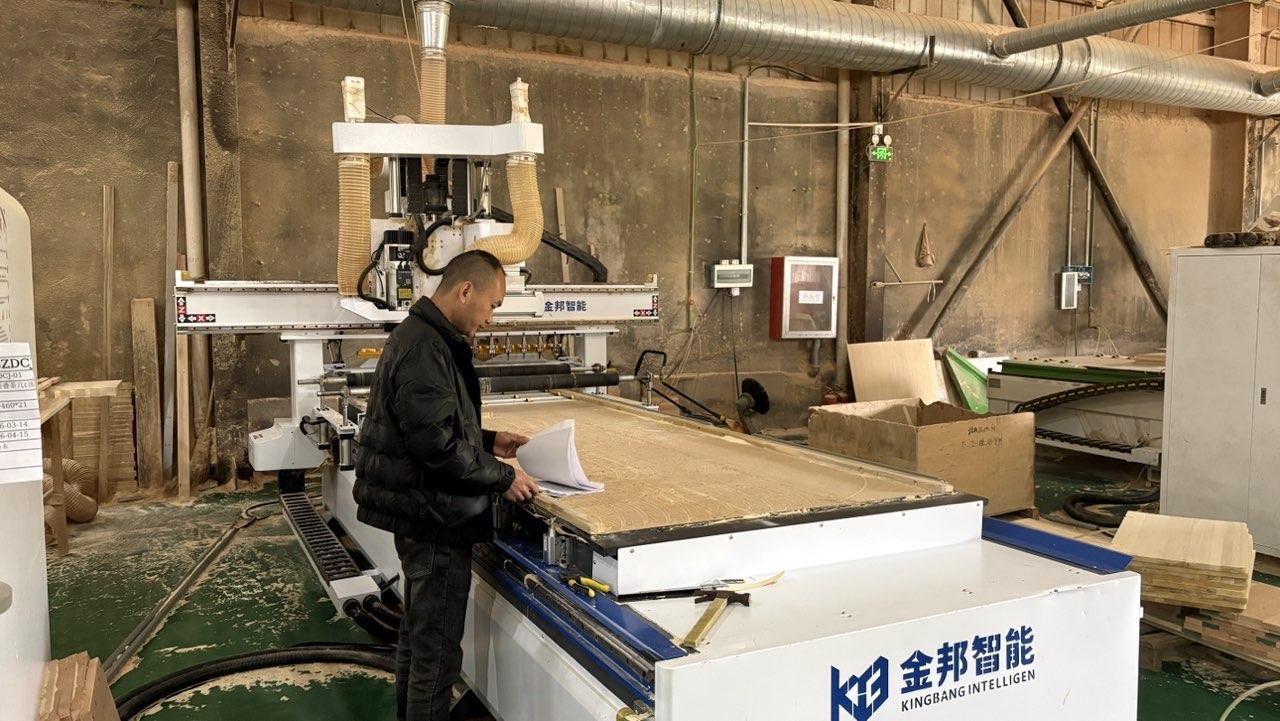
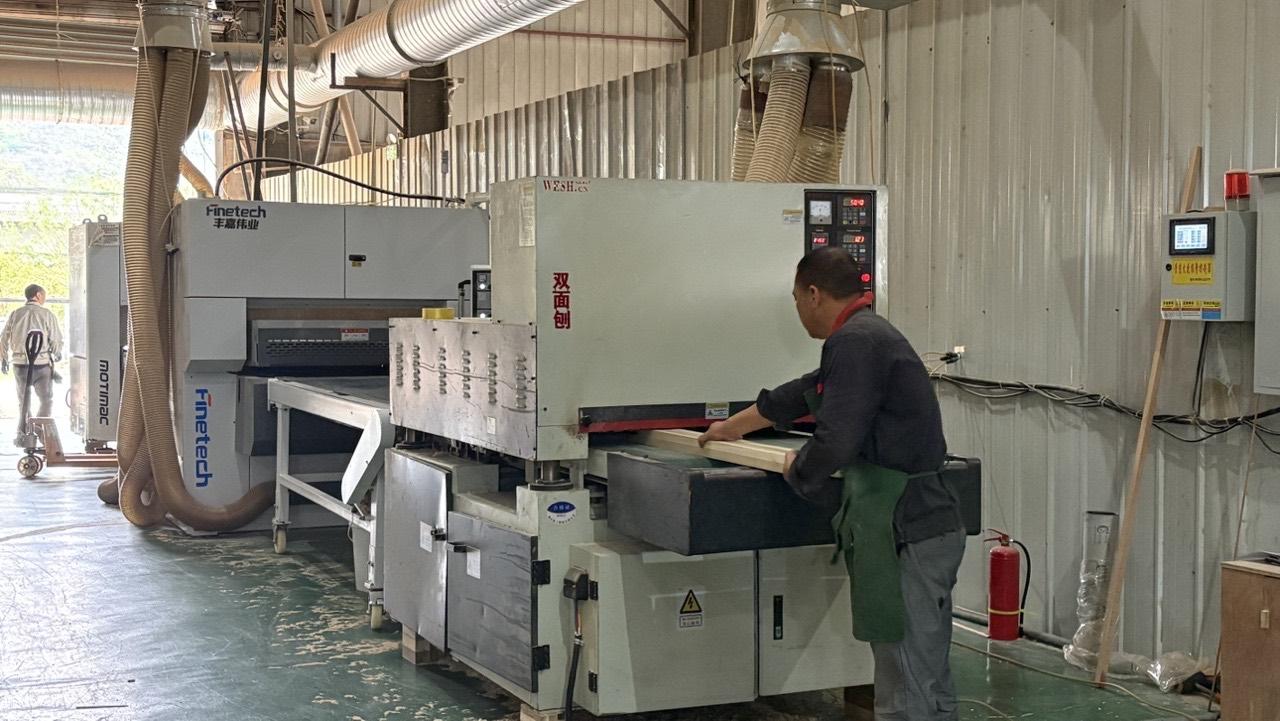
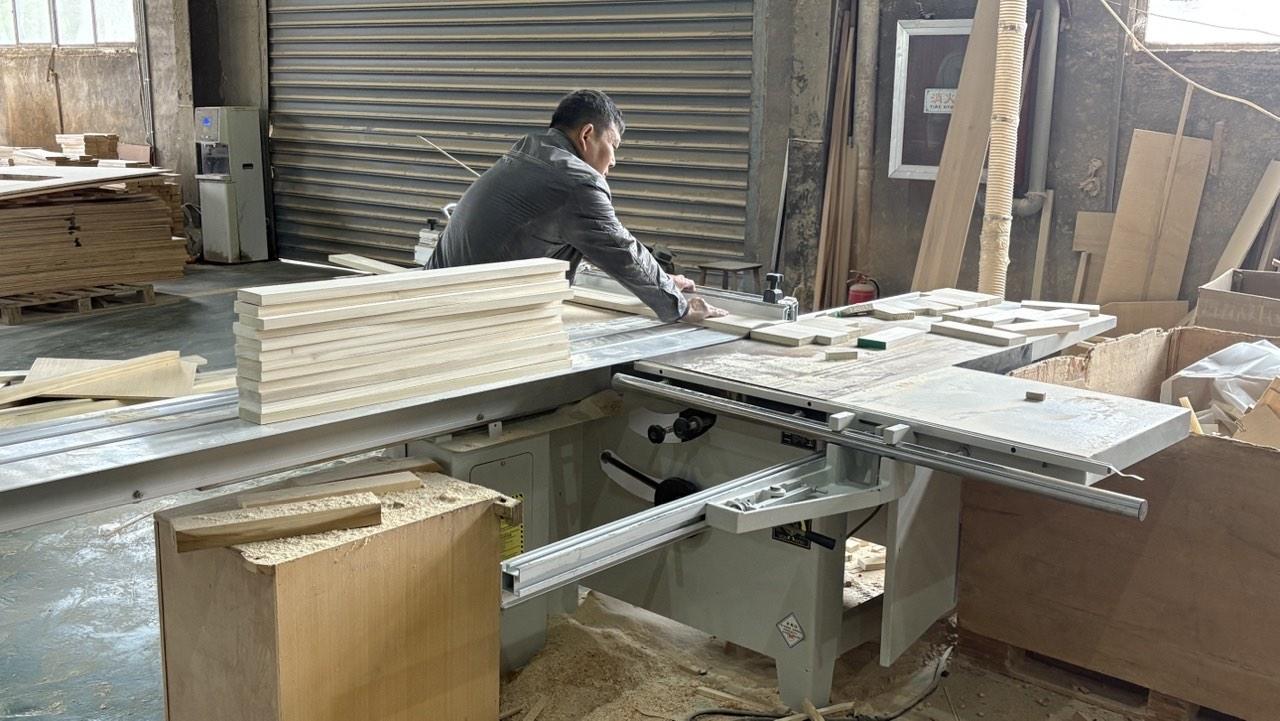
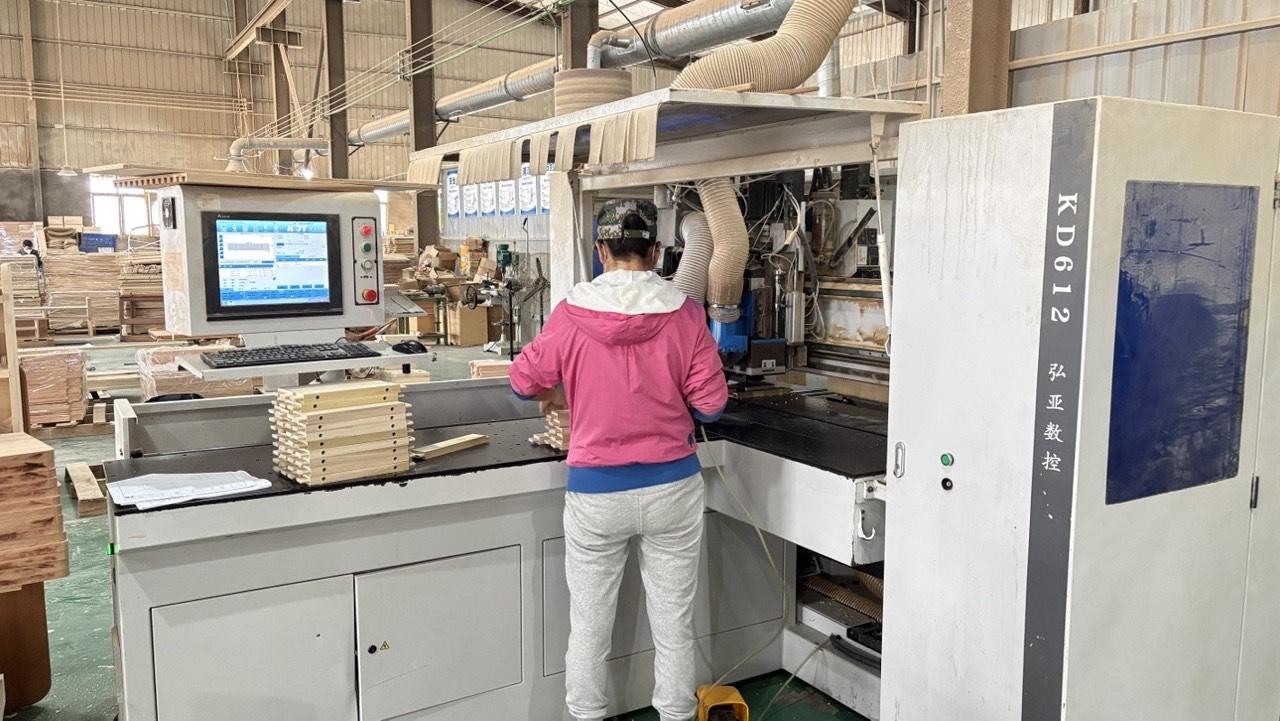
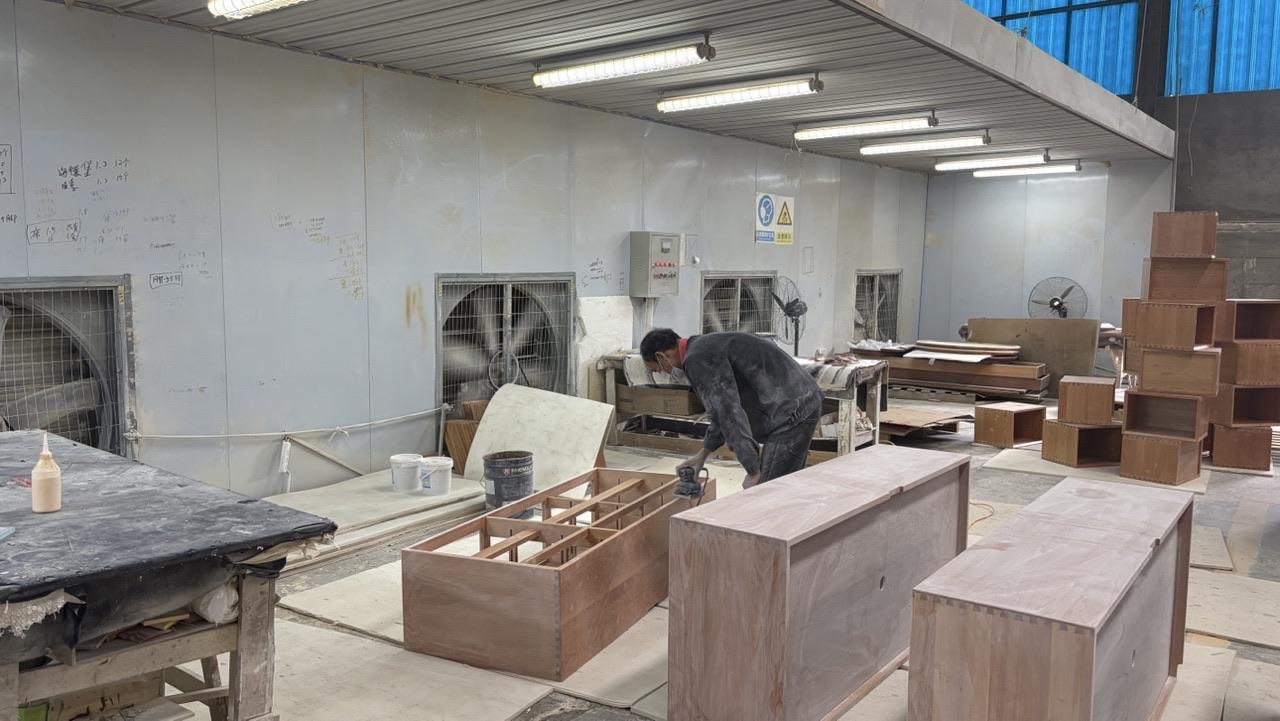
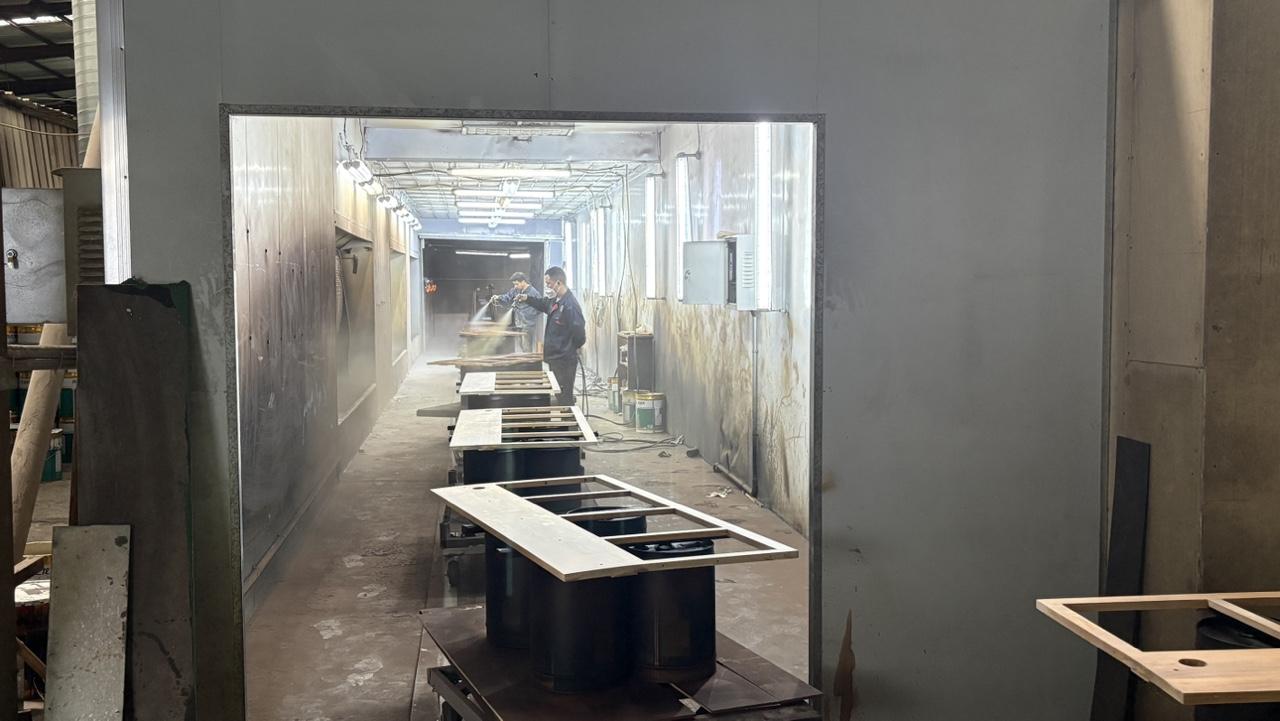
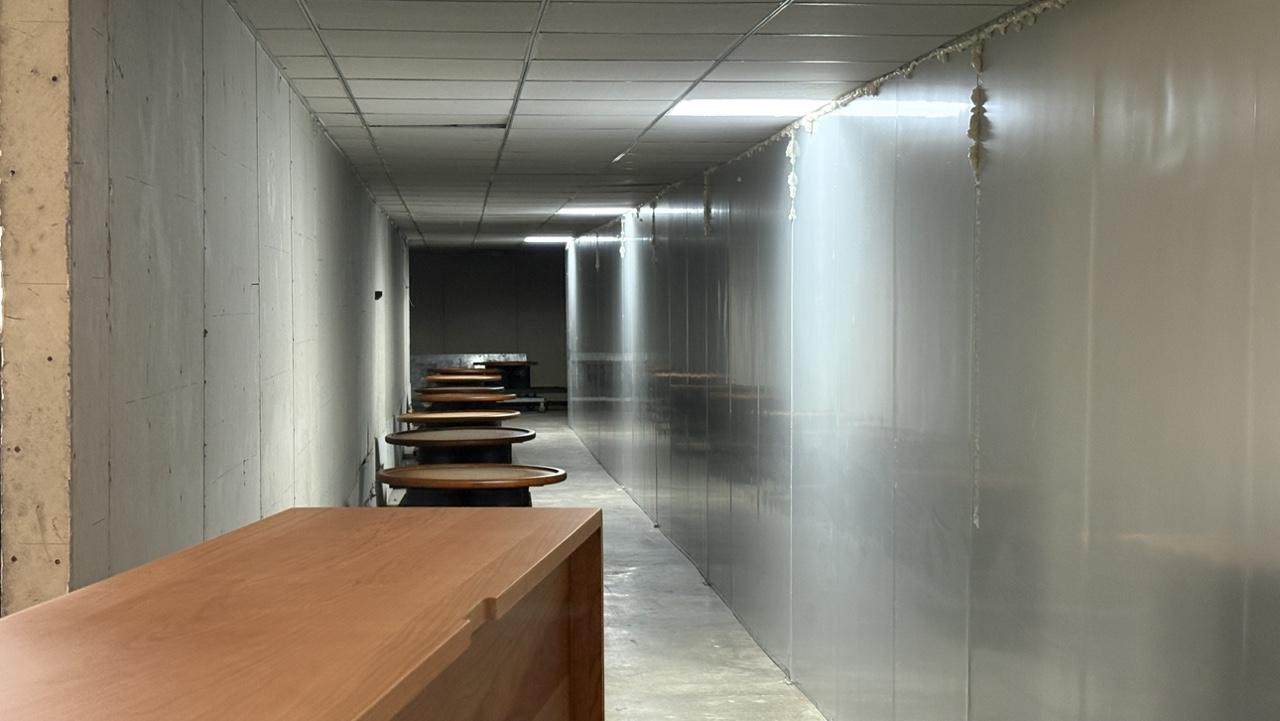
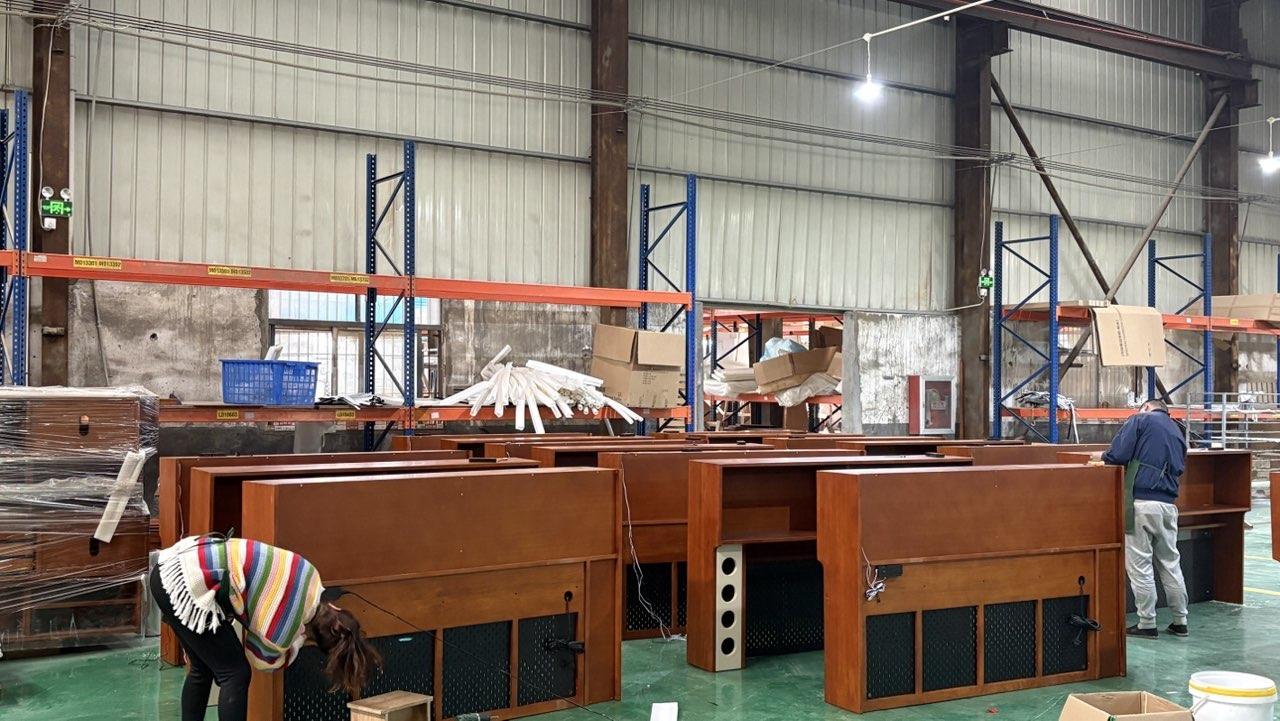
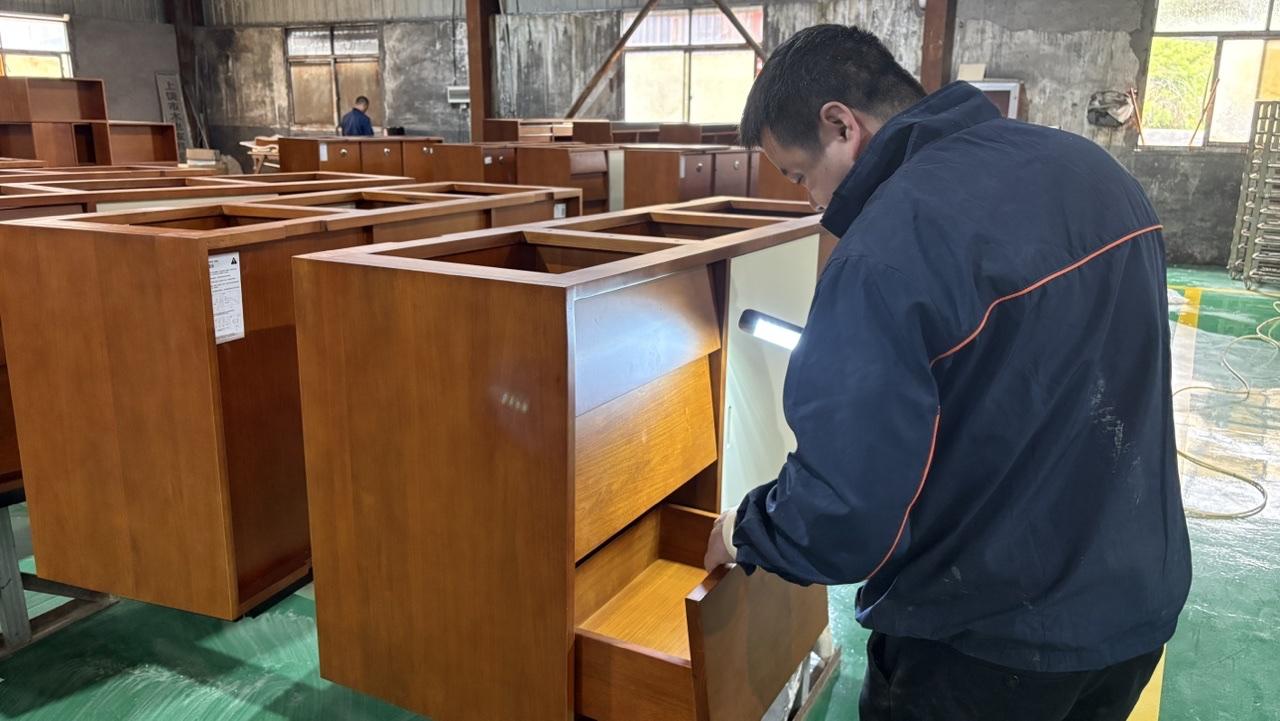
Each step in our manufacturing process represents a crucial quality checkpoint:
Modern space optimization requires custom configurations based on specific target industries. Professional manufacturers design their products to meet these varied challenges, providing tailored solutions across four main sectors:
Modern corporate offices use nestable, mobile folding tables to quickly set up temporary workspaces, training rooms, and collaborative areas. Integrated power management and cable tracks keep connections organized and functional.
Conferences, banquets, and exhibition centers require lightweight tables that set up and dismantle quickly. Heavy-duty protective corners and impact-resistant edge banding protect the tables during frequent transport and storage.
Schools, universities, and training centers use modular folding desks to quickly transition between traditional lectures, group work, and exams. Durable surfaces withstand daily, high-frequency use.
For enterprise procurement teams, global supply chain compliance and risk management are critical. Selecting the right foldable table factory requires looking beyond the unit cost. B2B buyers must evaluate a manufacturer's structural testing standards, raw material sources, and international certifications.
A professional furniture factory should provide full material traceability, showing compliance with environmental regulations such as FSC (Forest Stewardship Council) for sustainable timber, CARB Phase 2 for formaldehyde emissions, and RoHS/REACH for metal finishes. Structural durability should be certified by accredited third-party labs to standards like BIFMA X5.5 (Desk Products - Tests) or EN 12521 (Strength, Durability, and Safety for Domestic Tables).
Logistics optimization also plays a major role in total acquisition cost. Experienced export manufacturers design packaging specifically for international container shipments. Using flat-pack layouts, integrated corner protection, and ISTA-certified drop-tested cartons, factories help clients reduce shipping volumes and minimize transit damage.
Direct answers from our engineering and logistics departments on sourcing, customization, and quality standards.
Q1: Which material configurations offer the best durability for high-frequency commercial use?
A1: For high-traffic commercial environments, we recommend high-pressure laminate (HPL) tops or high-density polyethylene (HDPE) combined with powder-coated, cold-rolled steel frames. HPL provides excellent scratch and heat resistance, while HDPE is lightweight, impact-resistant, and suitable for both indoor and outdoor use.
Q2: How do Chinese factories guarantee environmental compliance for international markets?
A2: Leading manufacturers source raw materials from FSC-certified suppliers and use low-emission adhesives that meet CARB Phase 2 and EPA TSCA Title VI standards. Metal parts undergo eco-friendly powder coating free of lead and heavy metals, verified by RoHS and REACH test reports.
Q3: What is the typical lead time for custom OEM/ODM orders from Foshan factories?
A3: The standard lead time for initial OEM/ODM orders is 35 to 45 days. This includes CAD blueprint verification, 3D prototyping, and structural load testing. Repeat orders can often be completed and shipped within 25 to 30 days by using pre-positioned raw materials.
Q4: How do factories test the structural integrity and weight capacity of folding tables?
A4: Tables are tested to international BIFMA and EN standards. Static load testing assesses the frame's capacity under uniform weight, while cyclic drop and leg-strength tests simulate years of daily folding and unfolding to verify joint durability.
Q5: What measures are taken to optimize container loading and prevent transit damage?
A5: We design our packaging for maximum container utilization, using custom flat-packs with high-density EPE foam edge protectors. Outer cartons undergo ISTA-1A or 2A drop testing to ensure they can withstand the vibrations and impacts of ocean shipping.
Q6: How does Foshan's manufacturing quality and pricing compare to other Southeast Asian hubs?
A6: While some emerging regions offer lower base labor costs, Foshan provides a highly integrated industrial ecosystem. This local supply chain allows for faster prototyping, reliable quality control, and superior customization capabilities, delivering a better total value proposition for complex projects.
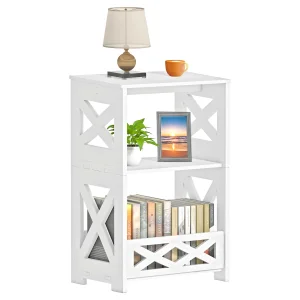
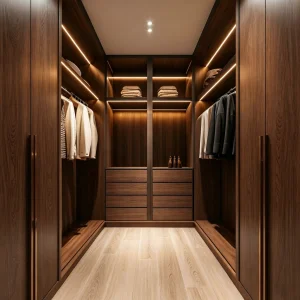
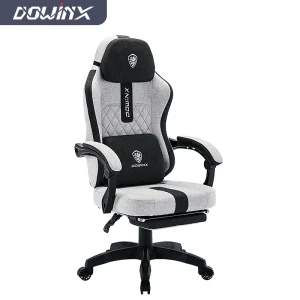
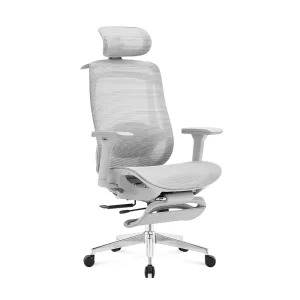
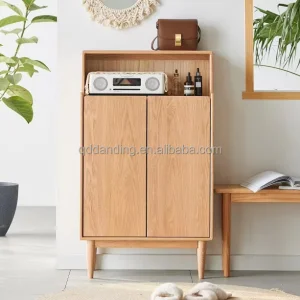
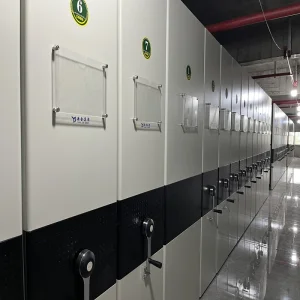
Browse additional specialized furniture designs, including commercial lab workbenches, space-saving storage units, and ergonomic seating.
 Lyte Home