Strategic structural furniture solutions optimized for multi-family developments, smart hospitality projects, and volume retail networks.
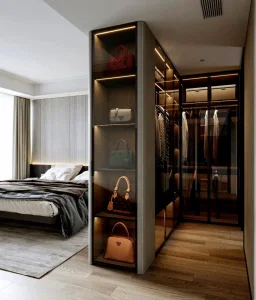
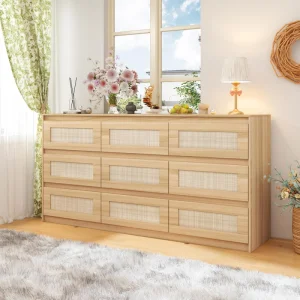
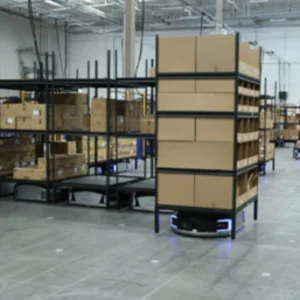
Unveiling the socio-economic and architectural trends driving structural expansion in custom and modular cabinetry.
In modern architectural design, the kitchen has evolved from a utility zone to the programmatic heart of the home. Within this spatial transformation, the kitchen island serves as the central anchor. Once conceived strictly as a food-preparation bench, contemporary kitchen islands now incorporate dining counter integration, smart cooking systems, and concealed multi-functional storage architectures. The global market value of modular and bespoke kitchen cabinetry is expanding rapidly, with high-volume buyers seeking factories that can match stringent architectural specifications, precise material grades, and high-velocity supply chain management.
For commercial real estate developers, volume importers, and hotel chain builders, procurement is no longer just about selecting a aesthetic design. It demands finding manufacturing partners capable of balancing raw material certification, advanced joining engineering, and structural longevity. In regions such as North America and Europe, stringent compliance requirements (like EPA formaldehyde emission targets and FSC sustainable harvesting credentials) dictate which manufacturing networks can participate in high-end developments. As a result, commercial buyers rely heavily on comprehensive factory audits and scientific validation of woodworking processes.
A closer look at how modern furniture clusters drive global distribution efficiency and material innovation.
Foshan Lyte Home Co., Ltd. is a modern home furnishing enterprise dedicated to delivering high-quality, design-oriented furniture solutions to customers across the globe. With a business presence in more than 100 countries and regions, the company has built a strong reputation for reliability, craftsmanship, and innovative design thinking, earning the trust and long-term cooperation of clients from diverse international markets.
Rooted in a philosophy that blends contemporary aesthetics with functional living, Foshan Lyte Home Co., Ltd. focuses on creating furniture that reflects the harmony between people and their living environments. The company continuously explores the relationship between modern lifestyle needs and human-centered design, aiming to produce furniture pieces that are not only visually refined, but also practical, comfortable, and durable for everyday use.
From early-stage concept development and industrial design to large-scale manufacturing and global distribution, the company operates a fully integrated system. This end-to-end capability ensures strict quality control, efficient production management, and consistent design standards across all product categories. By combining advanced manufacturing technologies with experienced craftsmanship and creative design teams, Foshan Lyte Home Co., Ltd. is able to respond quickly and effectively to evolving international market trends.
In addition, the company places strong emphasis on material selection, structural innovation, and sustainable development practices, striving to balance aesthetics with environmental responsibility. Continuous innovation in design language and production techniques enables the company to enhance the value of its products and improve the overall user experience.
Guided by its "Mission for Better Living," Foshan Lyte Home Co., Ltd. is committed to bringing aesthetic, functional, and sustainable home solutions to customers worldwide. Through constant innovation and dedication to quality, the company aims to elevate everyday living spaces and inspire more comfortable, elegant, and meaningful lifestyles.
The standard operating procedures deployed to assure geometric accuracy, mechanical integrity, and surface resiliency.
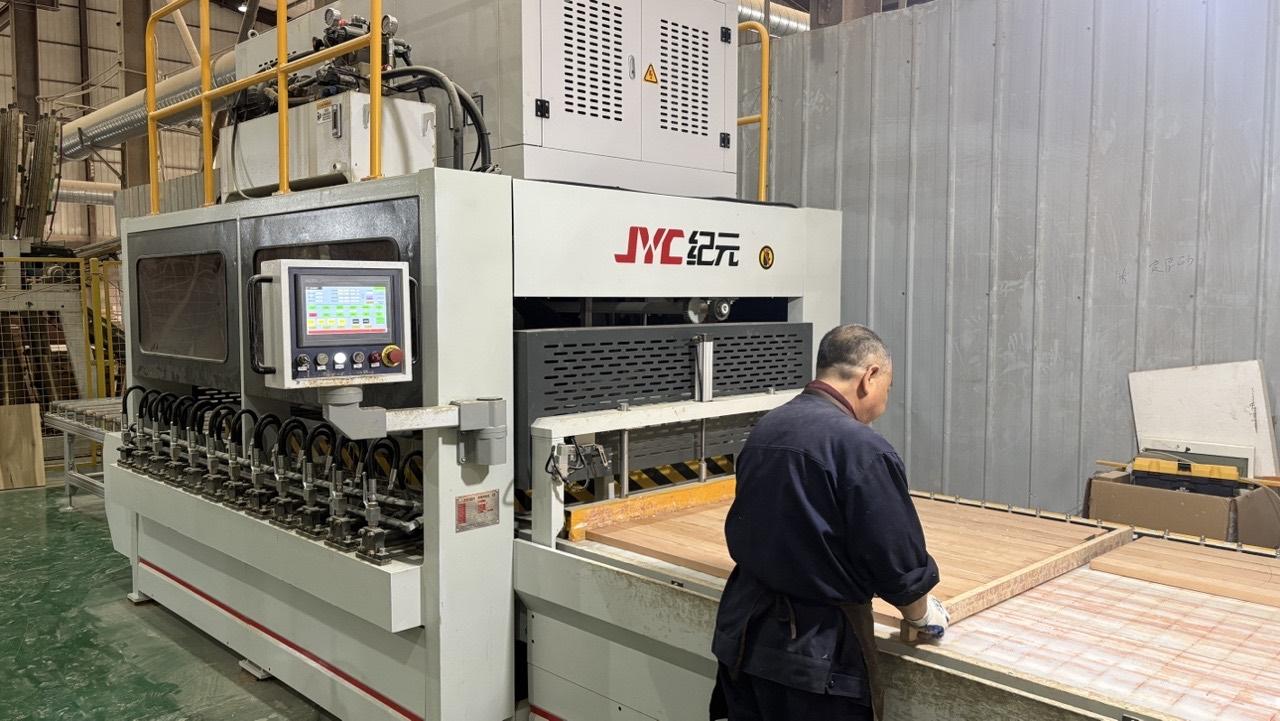
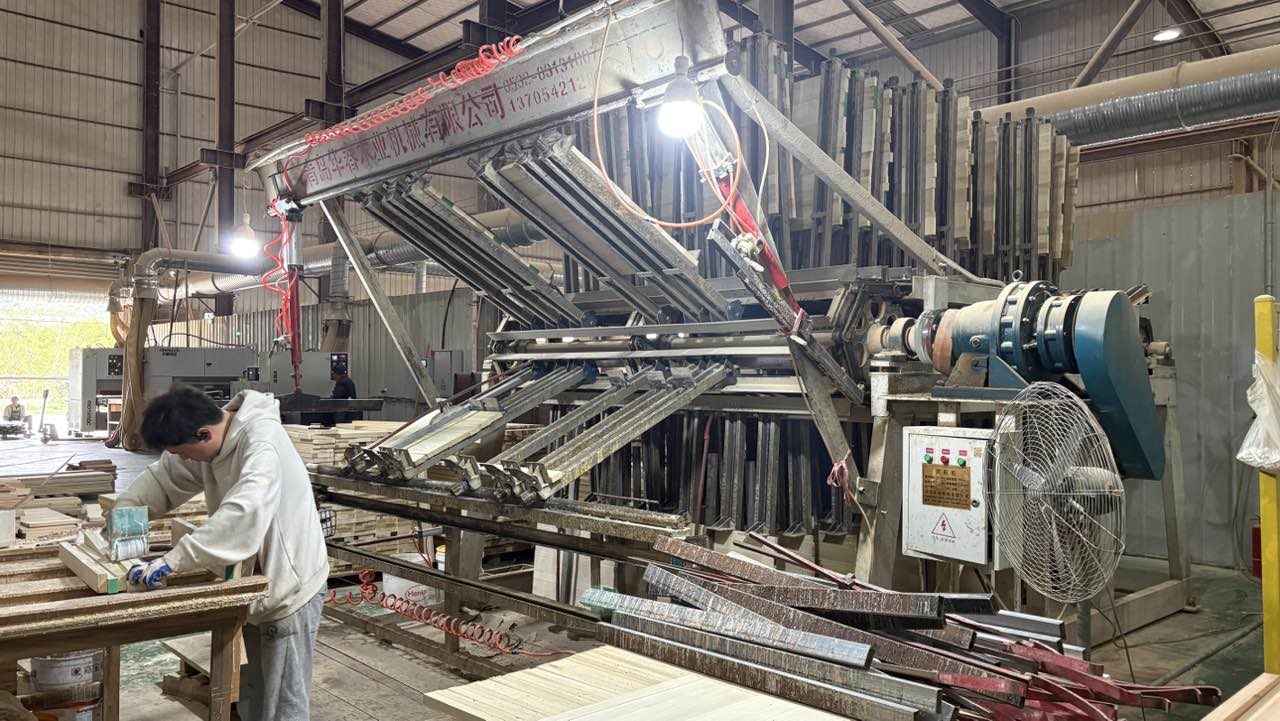
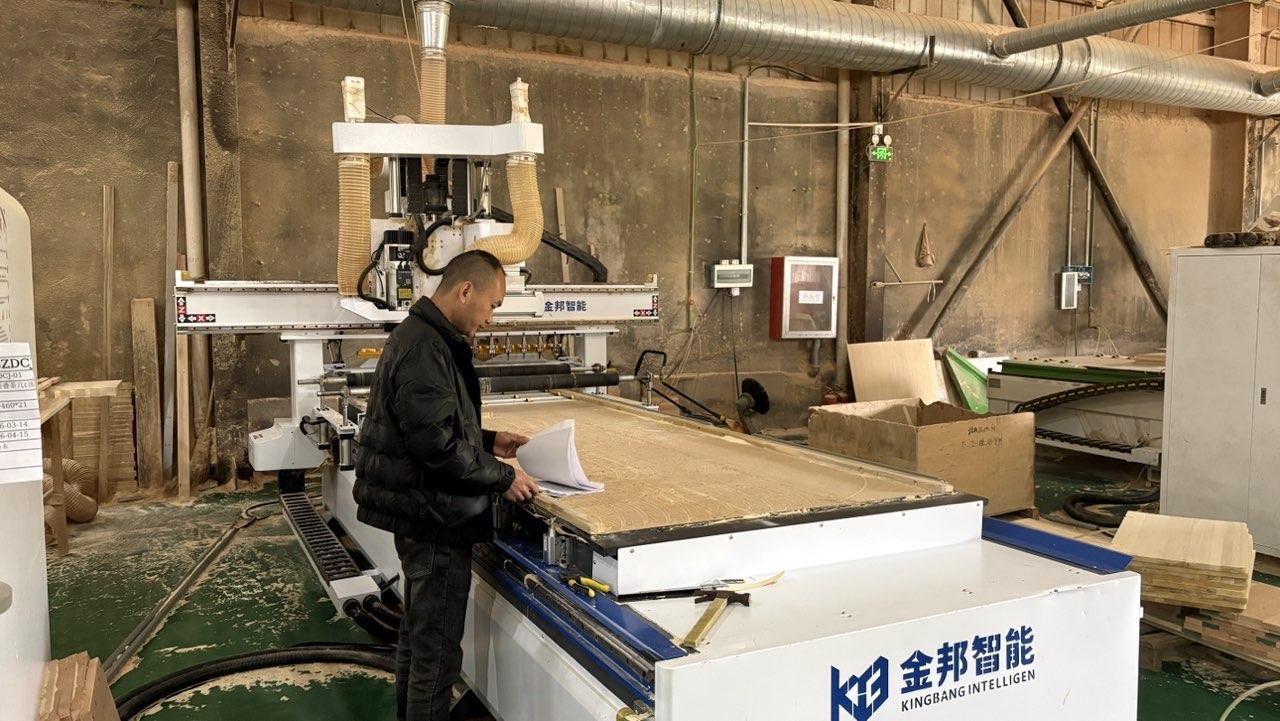
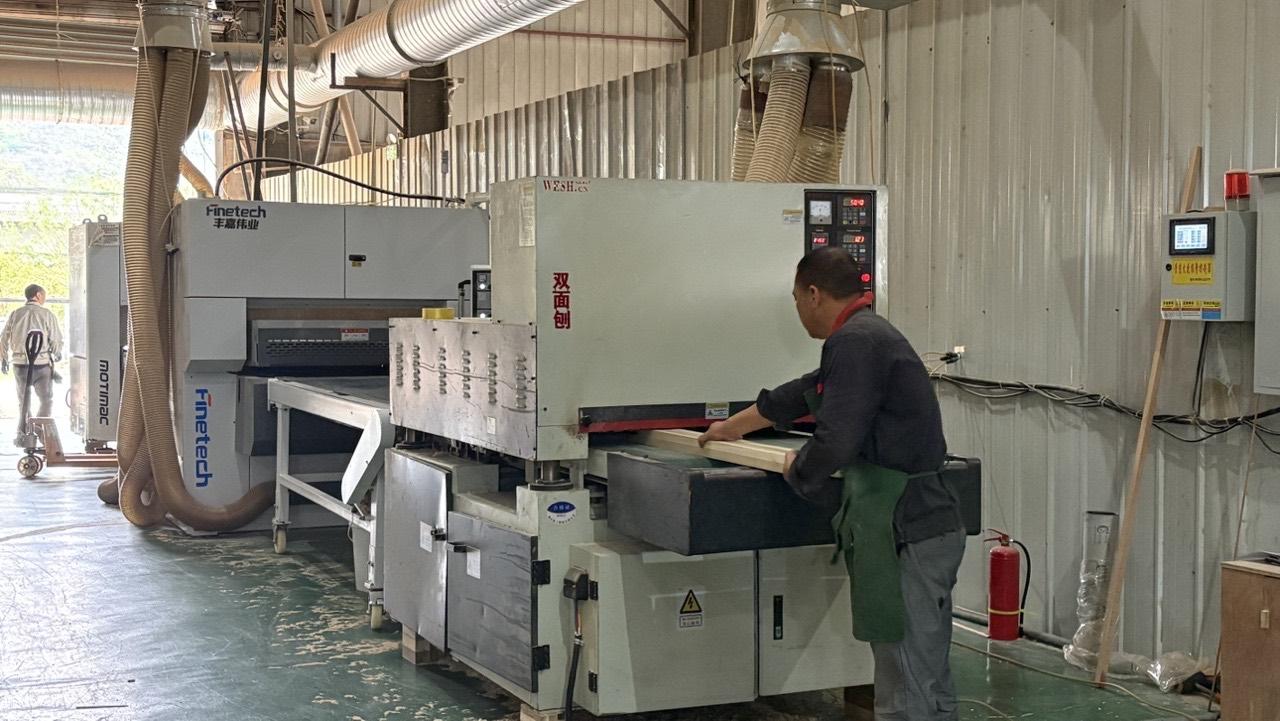
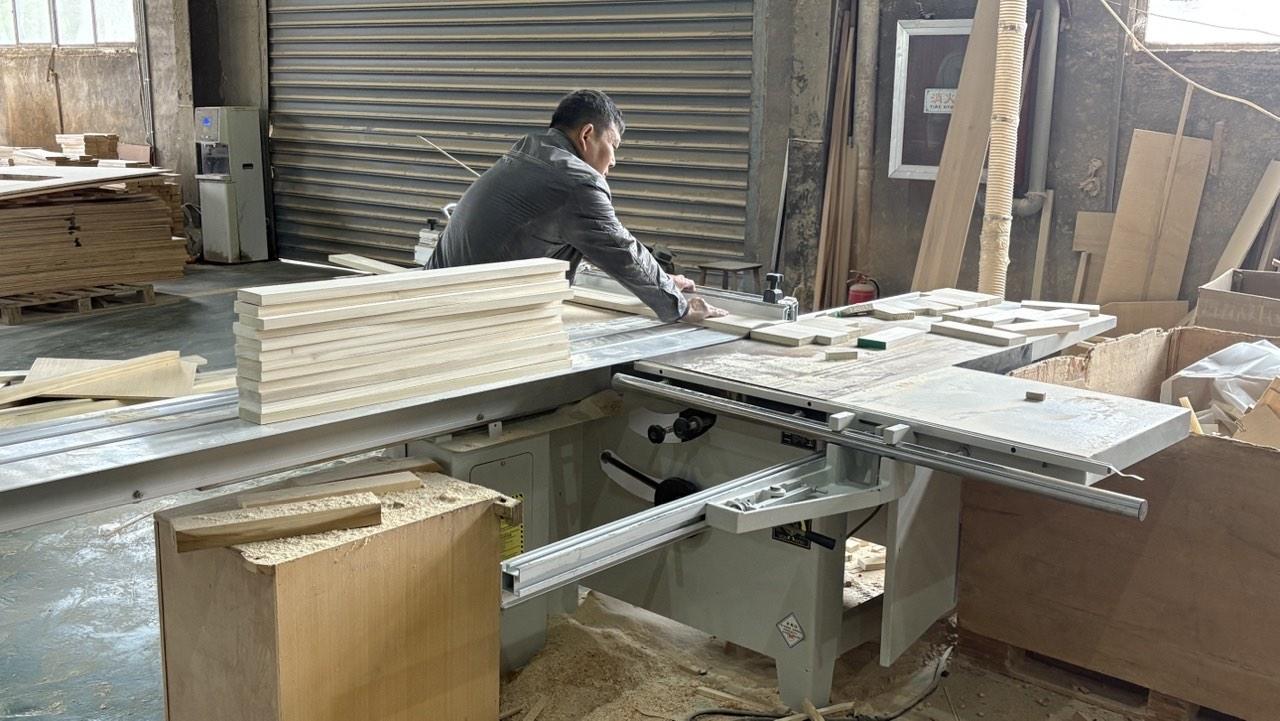
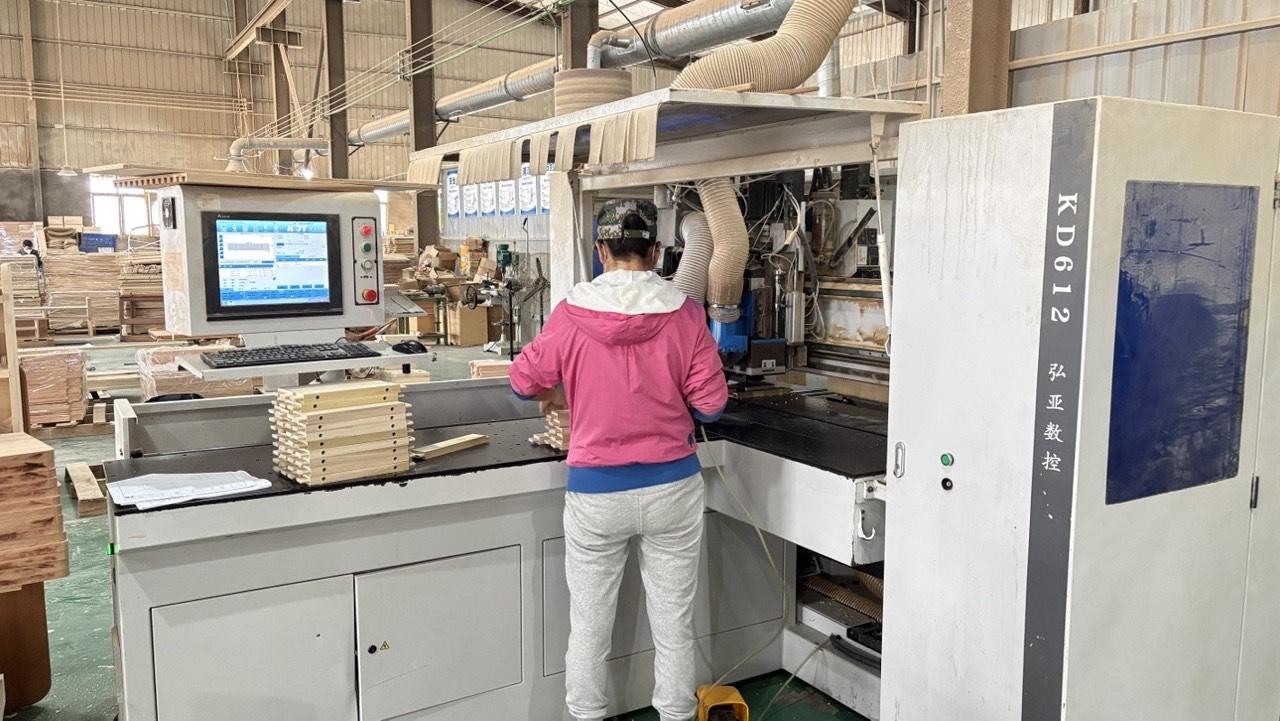
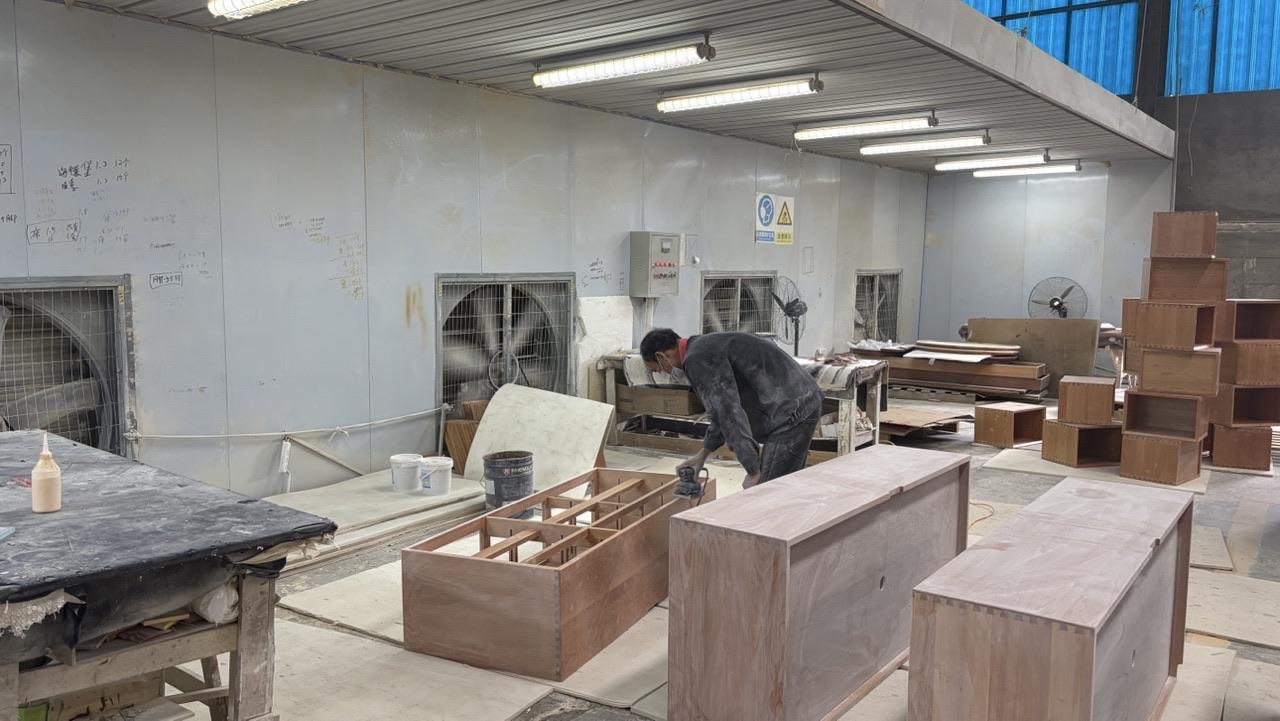
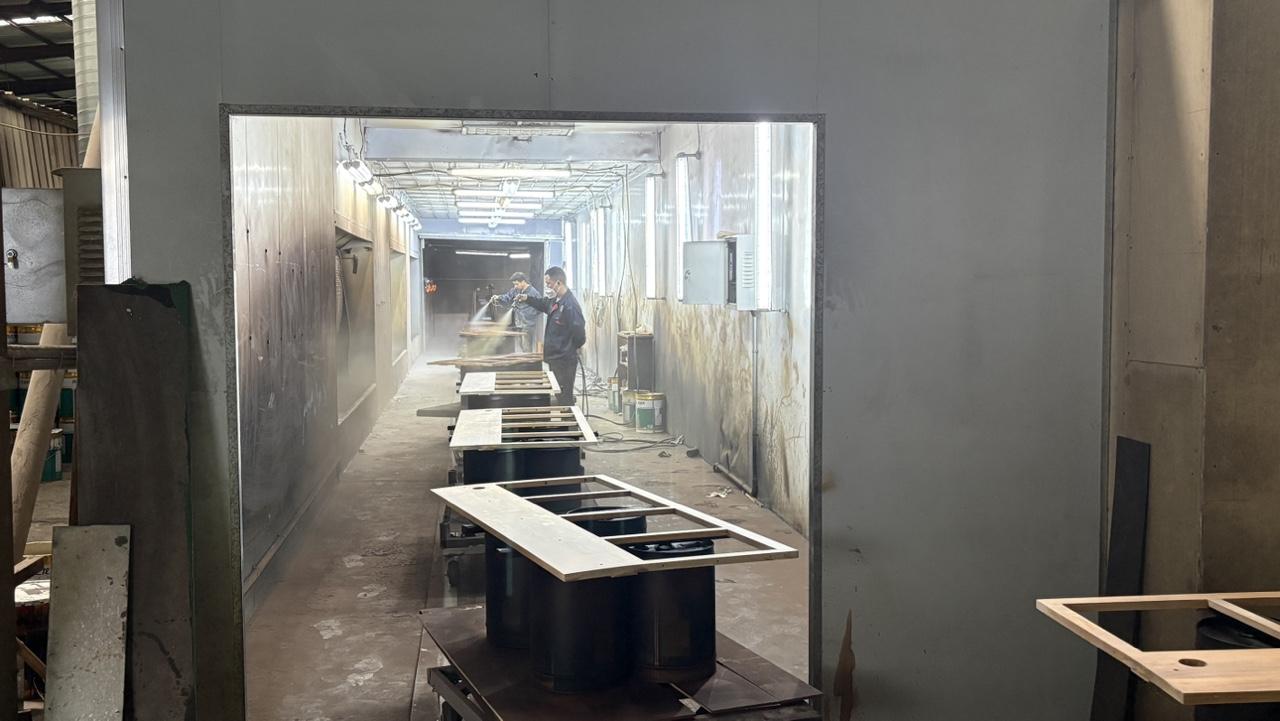
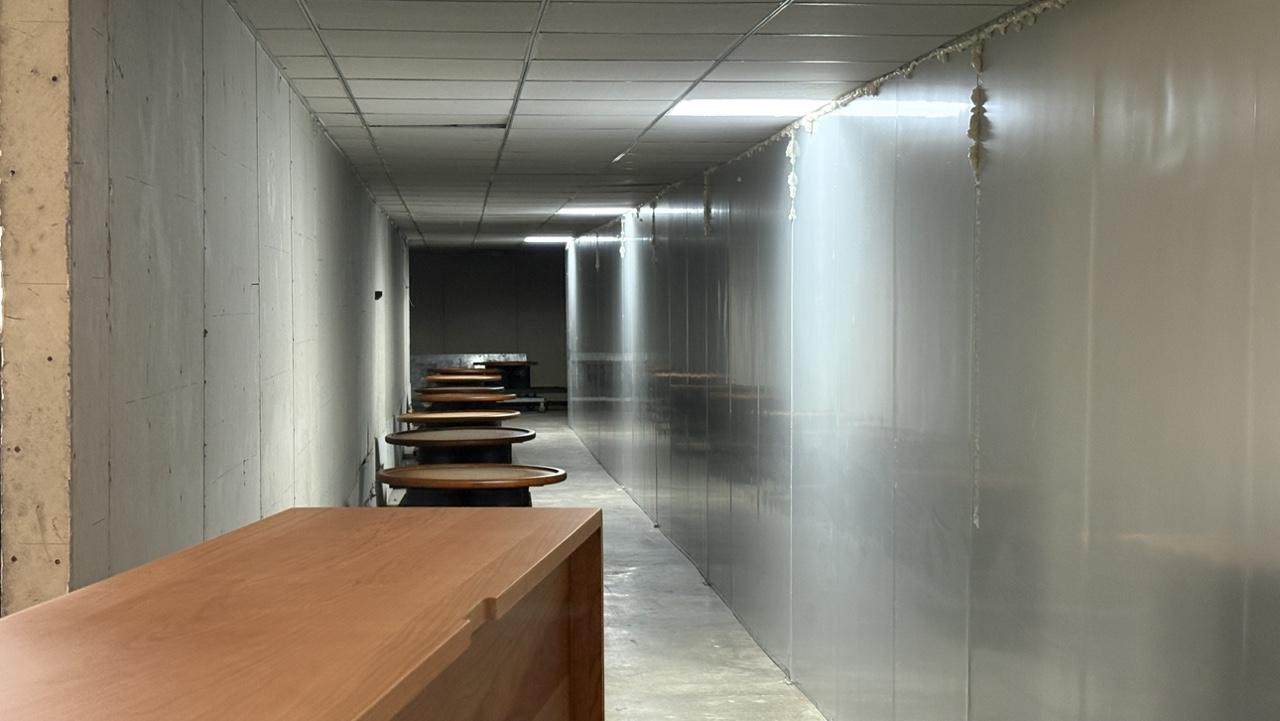
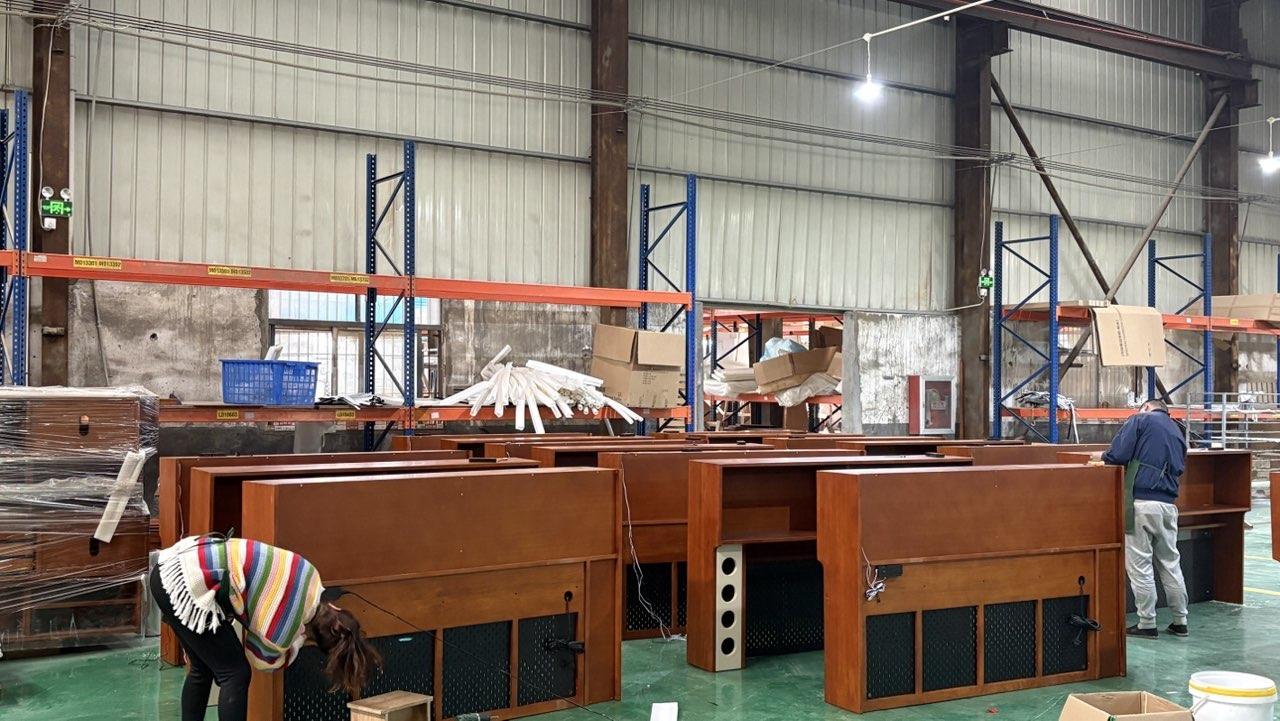
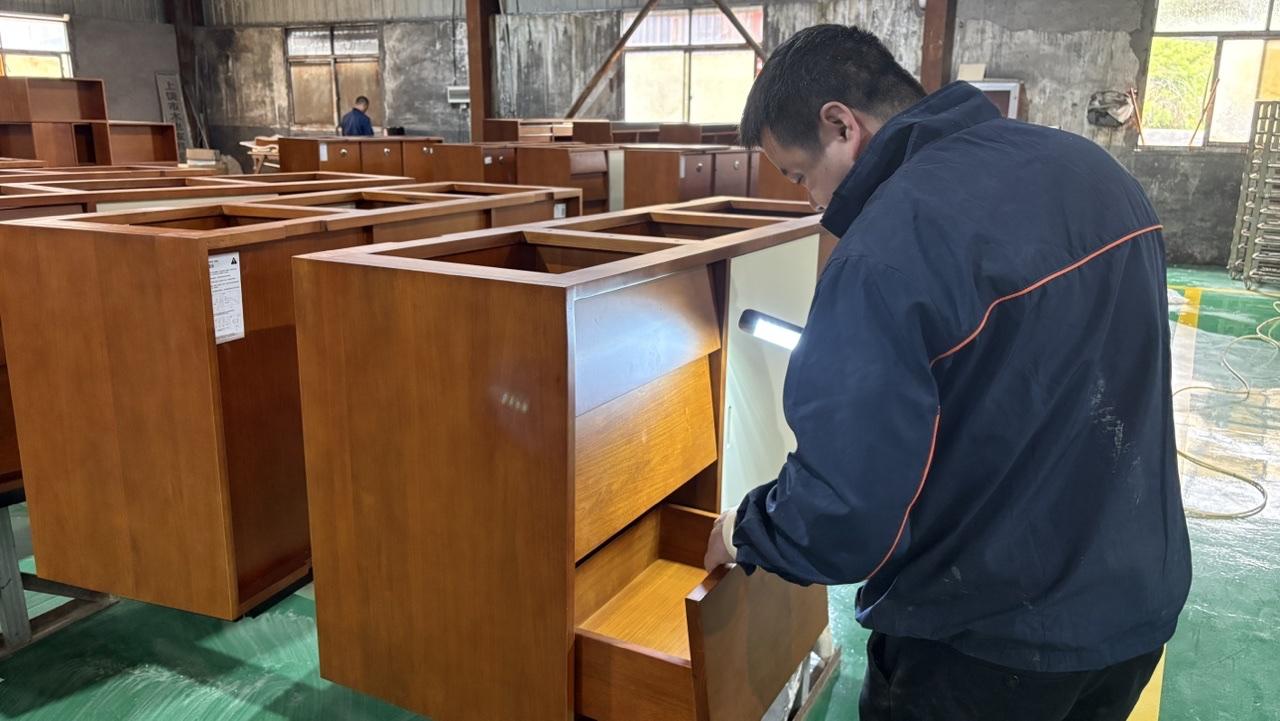
Each phase represents a key quality-control milestone. Solid wood and composite panels undergo intensive kiln drying, stabilizing internal moisture content (MC) to between 8% and 12%. CNC cutting systems then divide the materials with an exact tolerance of ±0.1mm. High-frequency wood jointing and precise planing secure structural stability, while subsequent multi-grade polishing optimizes wood surfaces for bonding. Specialized polyurethane or water-based acrylic lacquers are applied in pressurized, dust-free paint rooms (spray painting) before thermal curing in variable-humidity ovens (drying). Finally, modular components undergo dry-fit mockups during assembling, followed by ultrasonic structural integrity testing and surface refraction diagnostics during the final inspection.
Why regional concentration and systemic industrial integration make Chinese manufacturers critical partners for scale.
The global dominance of Chinese cabinetry manufacturers, particularly within the Pearl River Delta industrial cluster (Foshan), stems from deep regional supply chain integration. Unlike fragmented manufacturing centers, Foshan operates as a complete structural system. Hardware suppliers, material processors, lacquer chemists, and packaging operations are clustered within small radii. This density significantly minimizes lead times, optimizes inventory carrying costs, and supports fast response times during raw material shifts.
This ecosystem benefits from highly specialized components. For example, local hardware integration provides access to soft-close hinge systems, modular drawer slides, and heavy-duty corner levelers directly at the factory gate. Consequently, factories can configure complicated millwork profiles and multi-tier structural designs without relying on international part shipments. Furthermore, scale optimization lowers raw wood costs through centralized bulk purchase agreements, allowing China-based factories to offer competitive prices while maintaining high-grade wood materials.
Adapting physical specifications to regional building codes, mechanical preferences, and architectural spaces.
The future of residential food prep zones, driven by materials science, IoT integrations, and green manufacturing.
The design of the kitchen island is moving toward smart, multi-functional integration. The next generation of kitchen surfaces features invisible induction cooking systems integrated directly beneath quartz, porcelain, or solid surface countertops. This creates a clean, continuous work surface that heats cookware magnetically while remaining cool to the touch. In addition, factories are integrating wireless charging coils directly under stone counter laminates, allowing users to charge devices simply by placing them on the island.
Simultaneously, mechanical design is shifting toward ergonomic flexibility. Motorized lifting columns are increasingly integrated into premium island bases, allowing users to adjust counter heights dynamically. This supports different uses, from standard prep heights (900mm) to bar-counter heights (1050mm) or ADA-compliant clearance levels. Structurally, manufacturers are adopting ultra-lightweight wood composites and honeycomb panels. These reduce shipping weight and logistics costs without sacrificing the thick, substantial appearance preferred in modern designs.
Helping international buyers mitigate import risks, clear customs smoothly, and optimize cargo volume.
Navigating global compliance is crucial for successful high-volume furniture importation. Leading factories address this by maintaining up-to-date certifications for diverse target markets. In the United States, importing wood products requires strict adherence to TSCA Title VI regulations and Lacey Act declarations to verify that wood fiber is legally and sustainably harvested. European distributors require compliance with REACH chemicals regulations and timber legality under the EU Timber Regulation (EUTR).
Beyond material compliance, spatial and structural optimization during packaging is critical for freight efficiency. Modern factories utilize Flat-Pack (KD - Knocked Down) packaging designs, engineered via advanced CAD modeling to maximize container volume. A single 40ft High Cube (HC) container can hold up to 300% more units in flat-pack format compared to pre-assembled cabinets. For high-end, complex islands that require pre-assembly, manufacturers use high-density protective foam, structural edge guards, and ISPM-15 certified fumigated wooden crates to protect against moisture and handling damage during long ocean transits.
Critical engineering and logistics answers for procurement managers and design professionals.
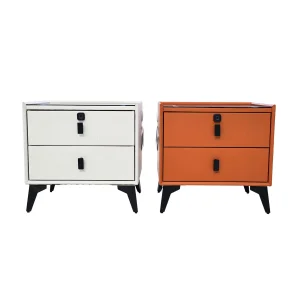
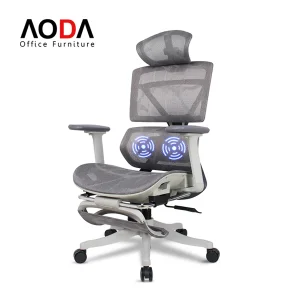
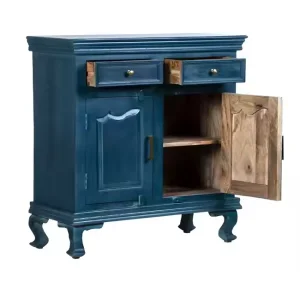
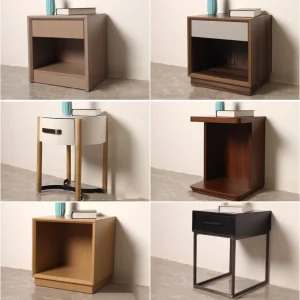
Premium functional seating, auxiliary cabinets, and flexible workspace units designed for high-density settings.
 Lyte Home