In modern commercial interior design, corporate spatial planning, and ergonomic research, the sled chair (often designated as a cantilevered or continuous-frame chair) represents a vital synthesis of architectural minimalism and structural mechanics. Unlike traditional four-legged seating, the sled chair utilizes a continuous tubular steel or solid metal wire frame that distributes gravitational loads along a horizontal runner base. This engineering configuration minimizes focal stress points, prevents floor damage, and delivers a unique, elastic comfort dynamic that responds intuitively to user micro-movements.
As global procurement managers and interior specifiers evaluate factories, identifying the "Top 10 Sled Chair Factories and Suppliers" requires a deep technical comprehension of raw material sourcing, automated precision metal-forming, structural testing protocols (such as ANSI/BIFMA X5.1), and supply chain optimization. This whitepaper serves as the definitive reference guide, combining empirical manufacturing data with structural engineering frameworks to help B2B buyers establish robust, high-performance supply chains.
The mechanical superiority of a high-performance sled chair relies heavily on the engineering specifications of its metal framing. Leading Tier-1 manufacturers implement a strict material design matrix to balance flexibility, structural memory, tensile strength, and corrosion resistance.
Utilizing high-tensile, cold-rolled tubular steel (grades SPCC, Q235, or high-carbon wire steel). These alloys provide the mechanical elasticity required to flex repeatedly without showing structural fatigue or micro-fissures.
Multi-axis computerized mandrel benders maintain uniform wall thickness across every radius. This eliminates structural thinning at critical load-bearing corners, ensuring consistent stability and safety.
Employing eco-friendly trivalent chromium electroplating or high-durability thermosetting epoxy powder coating. These treatments yield salt spray testing values in excess of 150 hours to guarantee rust prevention.
Looking to the future, the technical roadmap for sled chairs is moving rapidly toward sustainable hybrid materials and digital engineering. Leading manufacturers are incorporating high-recycled-content polymers for seat shells, lightweight magnesium alloy frames, and smart RFID-enabled asset tracking tags for modern contract spaces. By utilizing finite element analysis (FEA) during design stages, manufacturers can optimize structural weight without compromising long-term product durability.
Foshan Lyte Home Co., Ltd. is a modern home furnishing enterprise dedicated to delivering high-quality, design-oriented furniture solutions to customers across the globe. With a business presence in more than 100 countries and regions, the company has built a strong reputation for reliability, craftsmanship, and innovative design thinking, earning the trust and long-term cooperation of clients from diverse international markets.
Rooted in a philosophy that blends contemporary aesthetics with functional living, Foshan Lyte Home Co., Ltd. focuses on creating furniture that reflects the harmony between people and their living environments. The company continuously explores the relationship between modern lifestyle needs and human-centered design, aiming to produce furniture pieces that are not only visually refined, but also practical, comfortable, and durable for everyday use.
From early-stage concept development and industrial design to large-scale manufacturing and global distribution, the company operates a fully integrated system. This end-to-end capability ensures strict quality control, efficient production management, and consistent design standards across all product categories. By combining advanced manufacturing technologies with experienced craftsmanship and creative design teams, Foshan Lyte Home Co., Ltd. is able to respond quickly and effectively to evolving international market trends.
In addition, the company places strong emphasis on material selection, structural innovation, and sustainable development practices, striving to balance aesthetics with environmental responsibility. Continuous innovation in design language and production techniques enables the company to enhance the value of its products and improve the overall user experience. Guided by its “Mission for Better Living,” Foshan Lyte Home Co., Ltd. is committed to bringing aesthetic, functional, and sustainable home solutions to customers worldwide. Through constant innovation and dedication to quality, the company aims to elevate everyday living spaces and inspire more comfortable, elegant, and meaningful lifestyles.
Our factories utilize strict, advanced production technologies that transform premium raw materials into durable architectural seating. Below is the precise 11-step manufacturing process carried out in our state-of-the-art facilities:
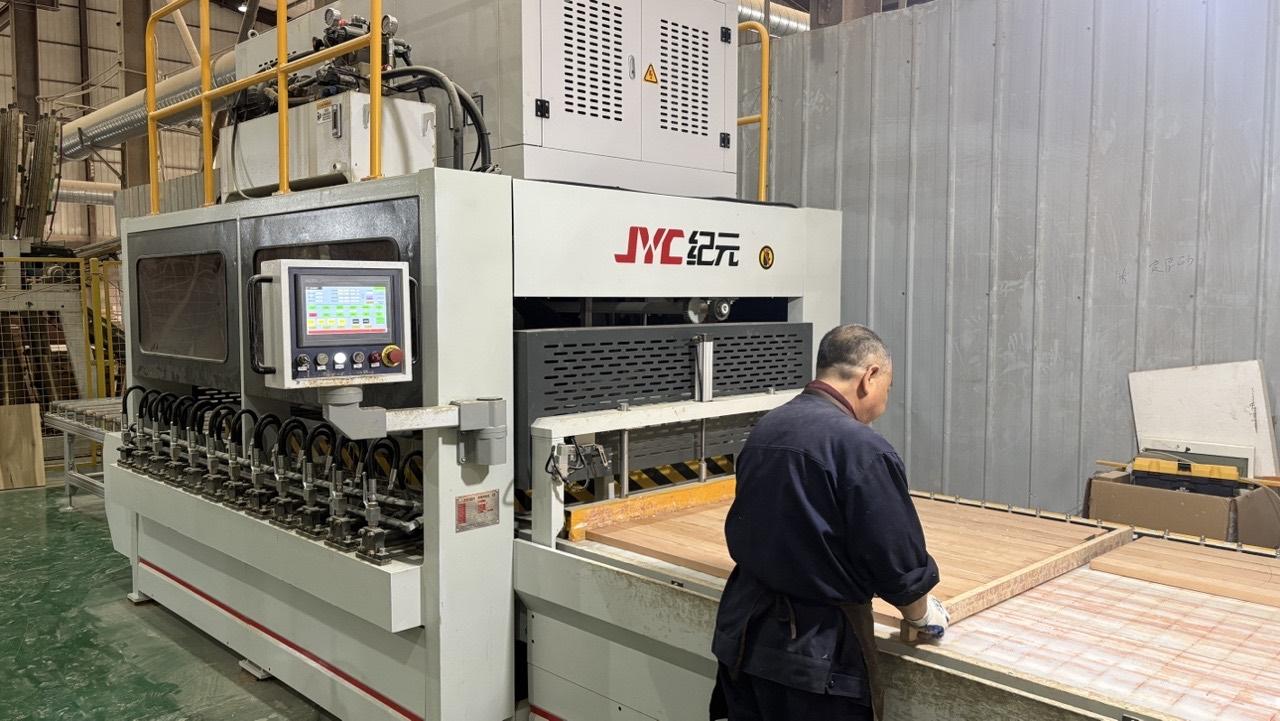
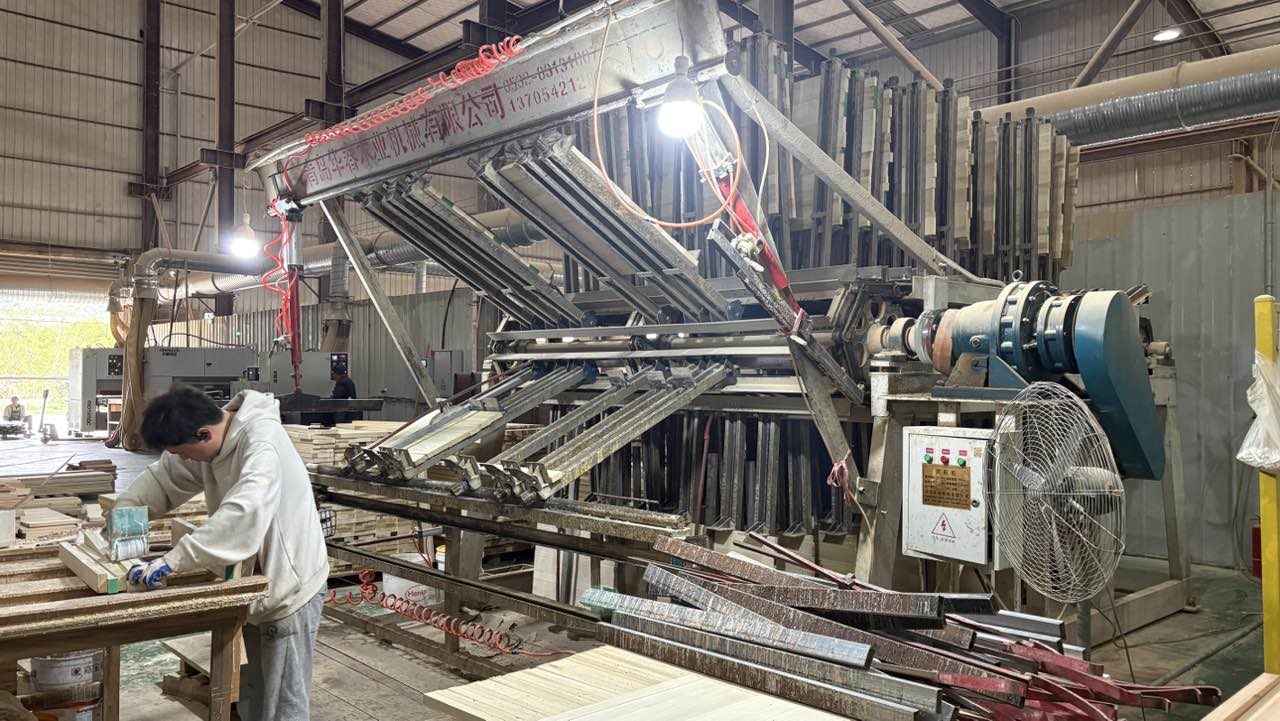
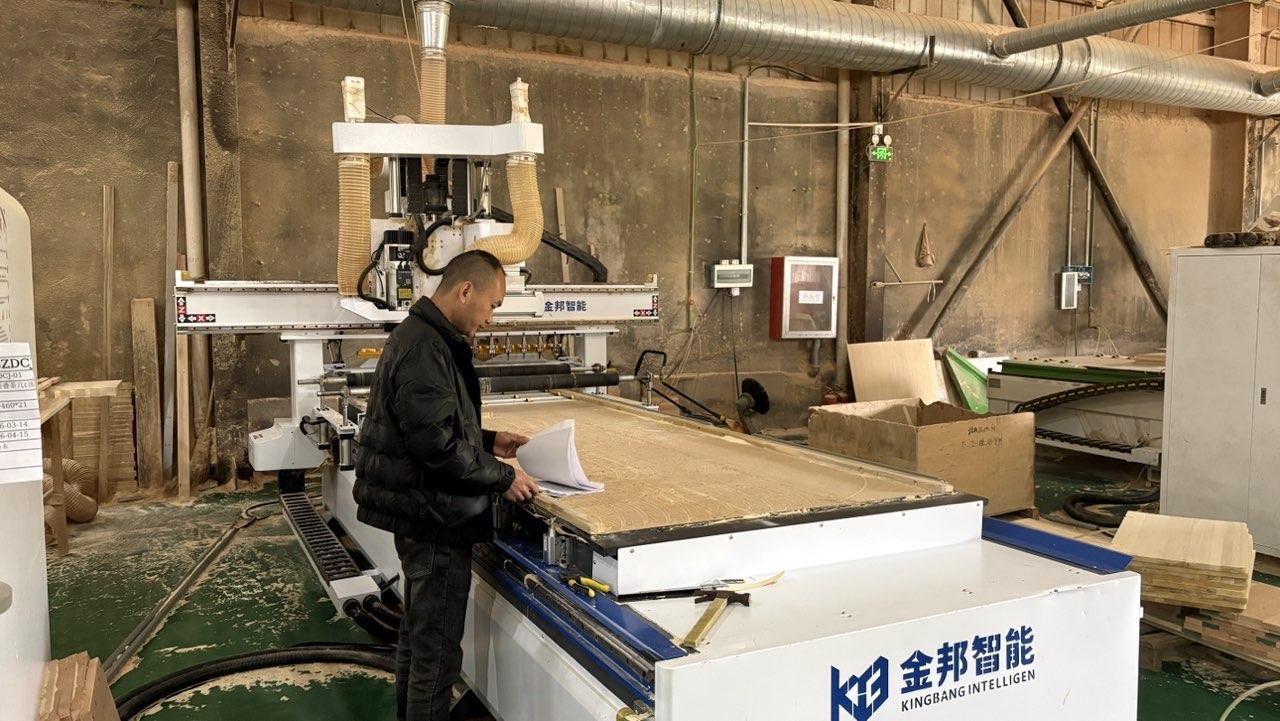
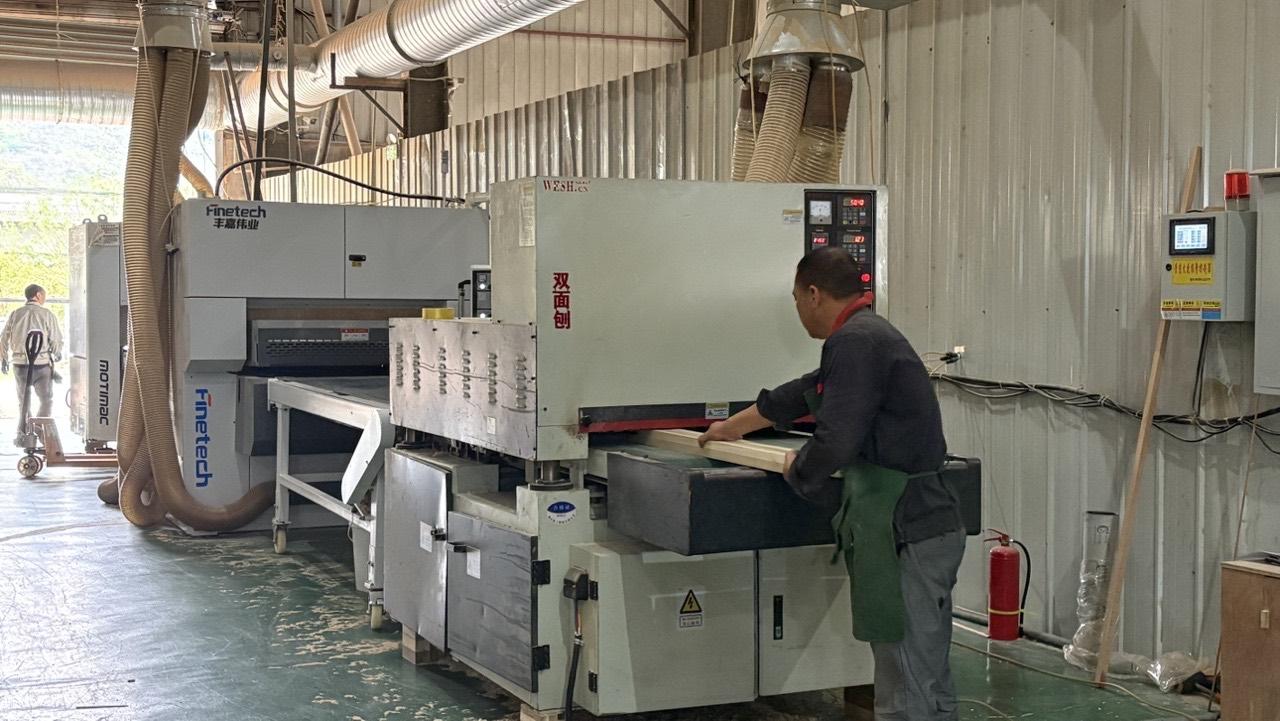
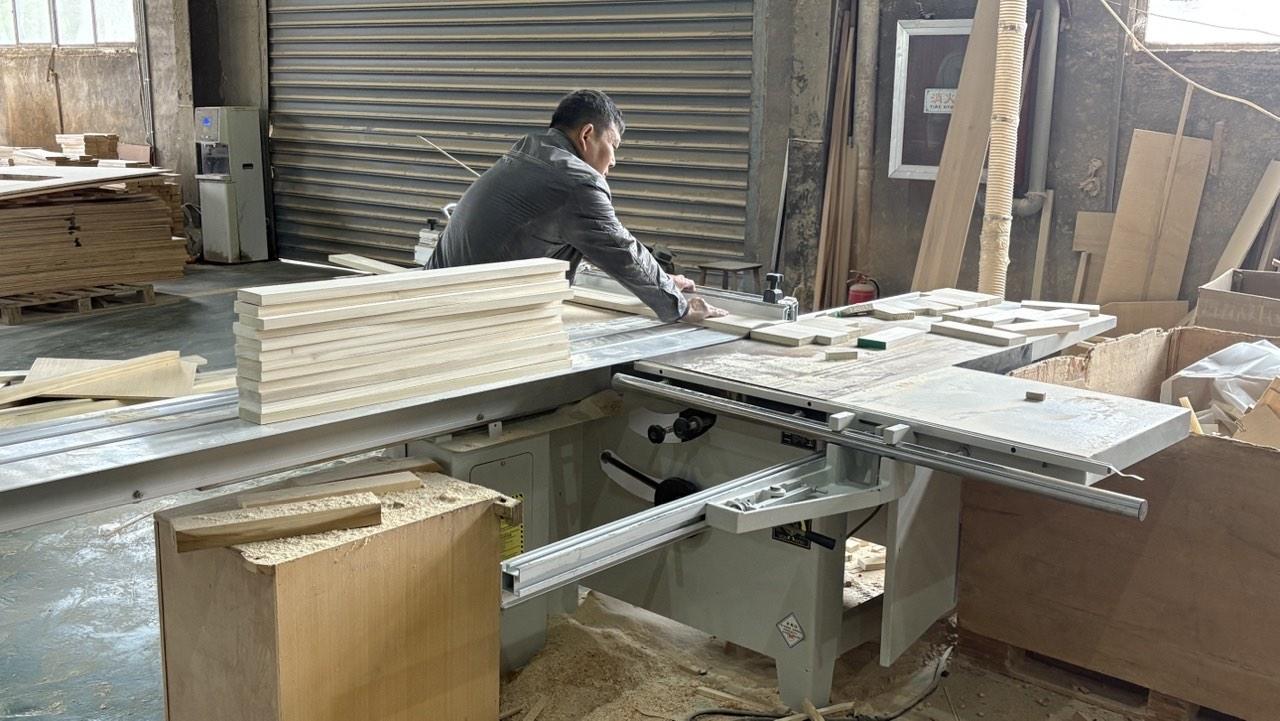
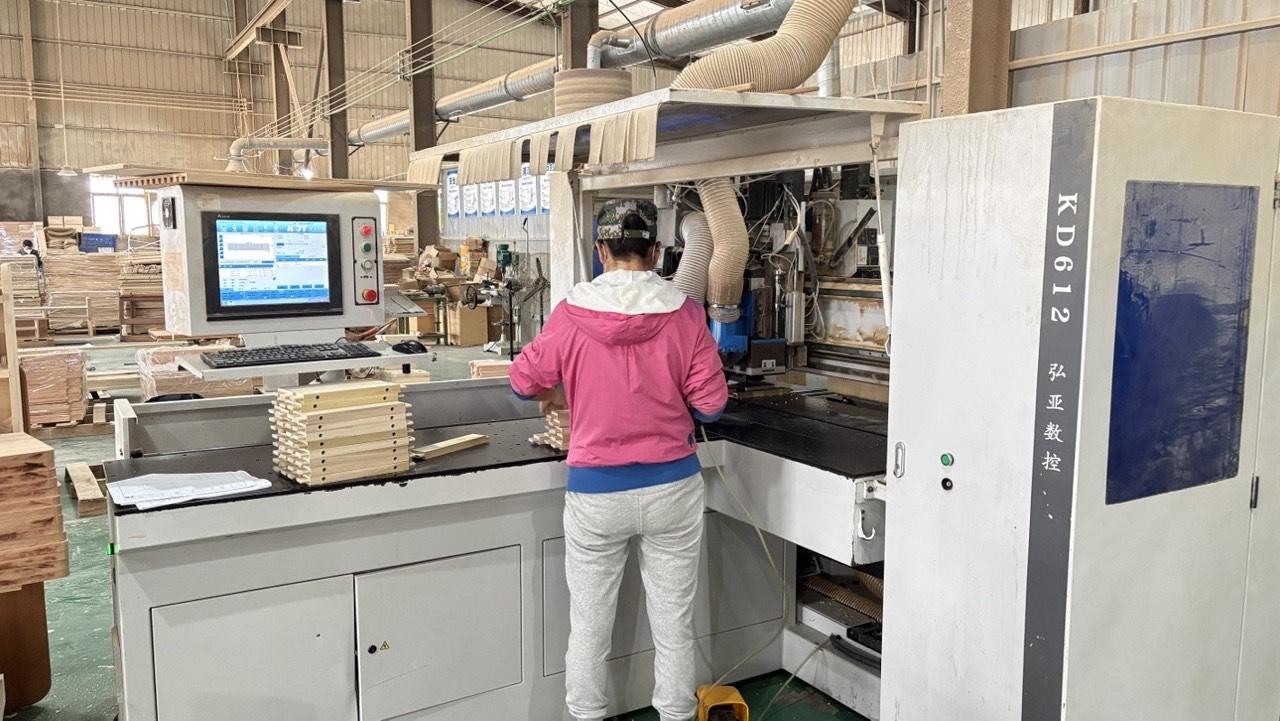
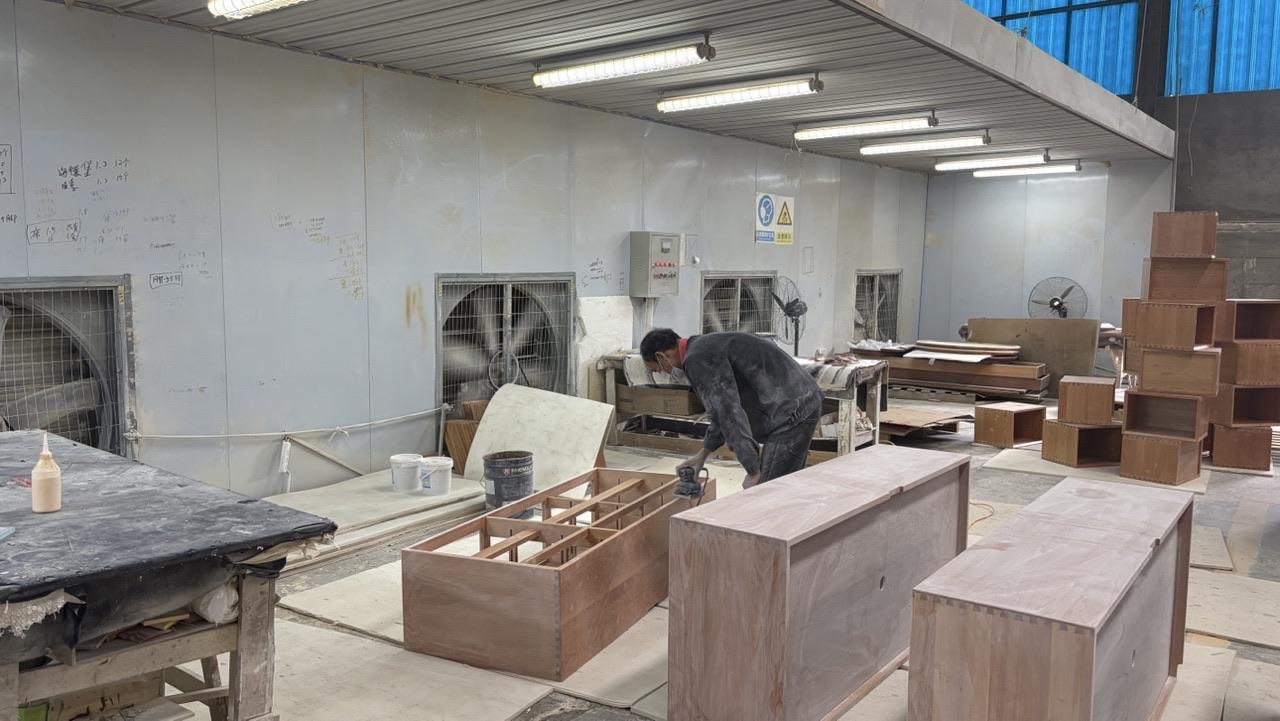
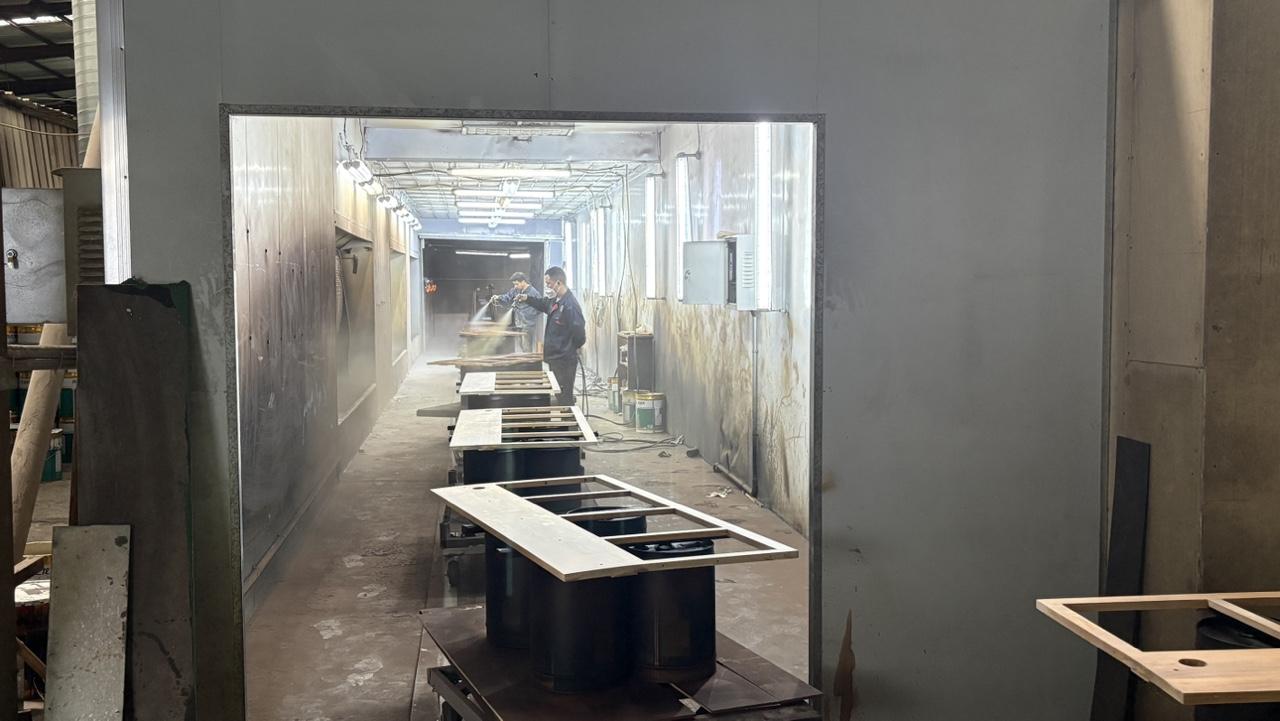
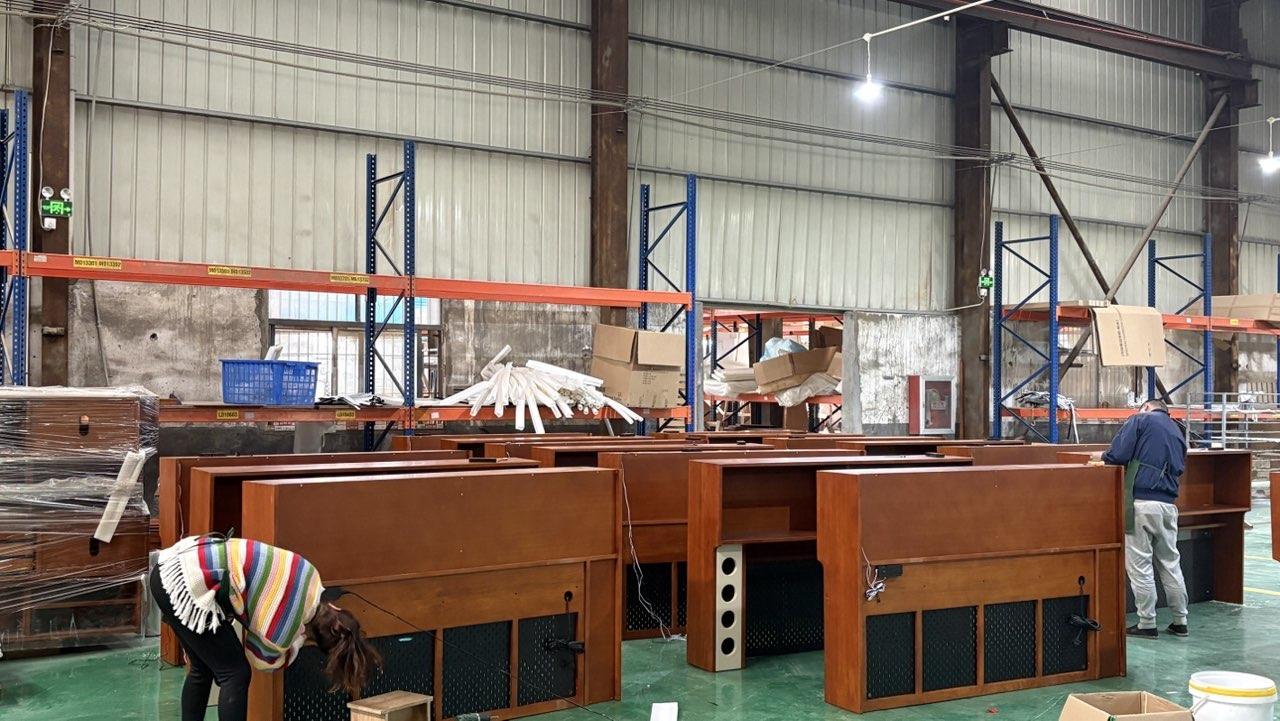
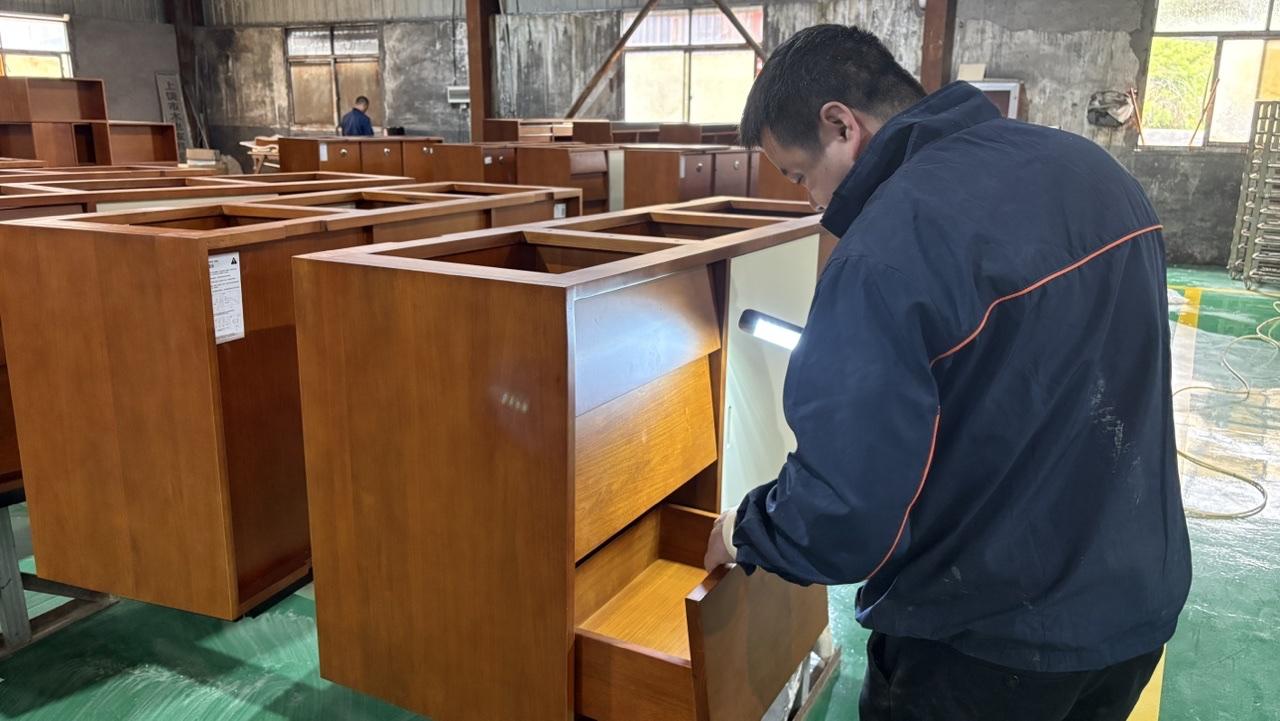
Procuring from a top Chinese supplier like Foshan Lyte Home provides B2B buyers with major industrial advantages. Southern China's furniture clusters, specifically in Foshan and Shunde, offer a highly integrated ecosystem of supply chain resources.
Sled base chairs are highly versatile, integrating cleanly into diverse architectural layouts and satisfying demanding commercial performance codes.
Commonly selected for conference rooms, training centers, and open-plan workspaces. The sled design allows for fast, stable movement across carpeted surfaces and keeps meeting layouts neat.
Perfect for university lecture halls, public libraries, and active learning classrooms. Built to withstand high-volume student daily usage while offering effortless cleaning and storage.
Designed with smooth steel tubing and wipeable polymers that prevent the buildup of bacteria, assisting facility management teams with strict infection-control protocols.
To sell seating successfully in international markets, adhering to region-specific product safety standards is a critical requirement. Our manufacturing partners maintain a robust compliance framework to satisfy global market standards:
Wire frame sled chairs use solid steel rods (typically 10mm to 12mm thick) for a thinner, lighter appearance and flexible feel. Tubular sled chairs use hollow steel tubing (usually 18mm to 25mm in diameter with a wall thickness of 1.5mm to 2.0mm) to provide greater structural rigidity for high-use environments.
High-quality factories attach injection-molded glides to the base tube. These glides, made from polycarbonate, nylon, or felt-lined materials, protect wood and tile floors while preventing the metal frames from sliding unexpectedly.
Yes. Many wire frame sled chairs can stack 10 to 15 units high on the floor, and up to 30 to 40 units high when placed on a specialized stacking trolley. Always consult the supplier's stacking limits to prevent damage to the seat shells or upholstery.
We utilize automated robotic MIG/TIG welding machines to create uniform, clean weld joints. Additionally, every batch undergoes mechanical stress-load testing to prevent welding fatigue at critical load-bearing corners.
Standard production lead times range from 30 to 45 days after deposit confirmation. This timeframe covers raw material processing, CNC metal bending, frame finish treatments, upholstery work, final inspection, and container loading.
We supply contract-grade fabrics that comply with CA117, BS5852, and EN1021 certifications. Customers can select from premium polyester weaves, commercial-grade vinyl, or genuine leathers treated with flame-retardant chemistry.
Yes, we provide color matching to the standard RAL color space. This allows architects and design firms to match metal frame colors directly with corporate branding guides.
Frames are wrapped in thick, non-woven protective foam, and stacking points are padded with protective inserts. Cartons are constructed from double-walled, 5-ply corrugated board, reinforced with heavy plastic strapping.
Our standard B2B MOQ starts at 50 to 100 units per model. For custom OEM designs or specific material variations, MOQs may be adjusted based on component sourcing requirements.
Yes, we maintain inventory for standard components like floor glides, arm pads, and mounting hardware, ensuring you can purchase replacement parts long after your initial order.
 Lyte Home